导图社区 汽车行业ABCD零件产品成熟度定义
汽车行业零件产品成熟度是一个综合性的评估指标,它涵盖了产品设计、开发、生产等多个方面。通过成熟度评估,企业可以更好地掌握产品开发进程,确保产品的质量和性能符合市场需求。同时,成熟度评估还有助于企业提高生产效率、降低生产成本,增强市场竞争力。
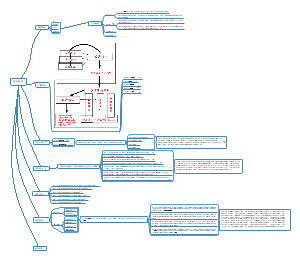
编辑于2024-06-10 09:08:49汽车行业特殊特性控制方法和手段,详述了多个关键的检测和控制步骤。这包括100%在线检测、过程参数监控(如SPC、注塑温度、焊接电流等)、非破坏性检测、检具批次抽检以及形位公差的检查。在产品分析要求部分,流程聚焦于对比样件100%的目测检测,旨在确保产品的性能、外观、颜色、光泽度等关键特性符合预设标准。这包括对连续性特性(如颜色、光泽度)和离散性特性(如表面质量、皮纹)的严格检查。通过使用色差仪、光泽仪等工具进行数据趋势图监控,流程能够更有效地监控和控制产品的关键特性。
汽车行业零件产品成熟度是一个综合性的评估指标,它涵盖了产品设计、开发、生产等多个方面。通过成熟度评估,企业可以更好地掌握产品开发进程,确保产品的质量和性能符合市场需求。同时,成熟度评估还有助于企业提高生产效率、降低生产成本,增强市场竞争力。
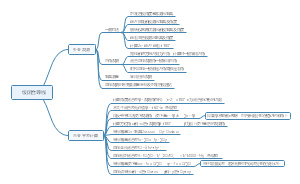
这是一篇关于钎焊工艺的思维导图,介绍了焊接过程中的加热速率、钎焊温度、钎焊时间以及冷却速率等关键参数。还提到了钎焊过程在受控环境中进行,以确保焊缝表面的高质量。特别指出了液态填充物的高表面张力,这有助于形成良好的焊缝。主要概述了一个详细的钎焊工艺流程,包括接头设计、材料准备、焊接参数、环境控制以及设备使用等方面。
社区模板帮助中心,点此进入>>
汽车行业特殊特性控制方法和手段,详述了多个关键的检测和控制步骤。这包括100%在线检测、过程参数监控(如SPC、注塑温度、焊接电流等)、非破坏性检测、检具批次抽检以及形位公差的检查。在产品分析要求部分,流程聚焦于对比样件100%的目测检测,旨在确保产品的性能、外观、颜色、光泽度等关键特性符合预设标准。这包括对连续性特性(如颜色、光泽度)和离散性特性(如表面质量、皮纹)的严格检查。通过使用色差仪、光泽仪等工具进行数据趋势图监控,流程能够更有效地监控和控制产品的关键特性。
汽车行业零件产品成熟度是一个综合性的评估指标,它涵盖了产品设计、开发、生产等多个方面。通过成熟度评估,企业可以更好地掌握产品开发进程,确保产品的质量和性能符合市场需求。同时,成熟度评估还有助于企业提高生产效率、降低生产成本,增强市场竞争力。
这是一篇关于钎焊工艺的思维导图,介绍了焊接过程中的加热速率、钎焊温度、钎焊时间以及冷却速率等关键参数。还提到了钎焊过程在受控环境中进行,以确保焊缝表面的高质量。特别指出了液态填充物的高表面张力,这有助于形成良好的焊缝。主要概述了一个详细的钎焊工艺流程,包括接头设计、材料准备、焊接参数、环境控制以及设备使用等方面。
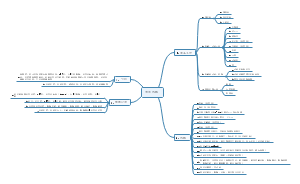
A/B/C/D Sample Definition
D Sample
Manufacturing
1, Design with series-production status; 2, Produced out of series materials with series tools; 3, Products to be built within pre-tryout/production tests; 4, D1 sample: first parts with series production tools and series geometry and materials-have been manufactured under conditions that are close to series; 5, D2 sample: as D1-produced under full series conditions.
Objective
1, Suppliers complete all quality-relevant tests; 2, D1: last confirmation through development, type testing, pilot series (pre-tryout), homologation; 3, D2: Proof that part conforms to series documentation (part successfully sampled (ISIR/EMPB), maturity for production test/tryouts is obtained).
Application
Testing of all production relevant factors.
C Sample
Manufacturing
1, Functionality and product characteristics similar to series: Fine-geometry (Radiusesy, form, grain ...) and materials are very close to series (not necessarily made with series tools) 2, Principle of manufacturing: Production processes close to series processes (not necessarily made with series tools). Further processing oftern hand-made.
Objective
1, Assure installation, functionality, characteristics, mechnical strength and reliability; 2, Surface quality is closed to series; 3, Package space requirements within the vehicle and the positioning of contact points meet assembly requirements; 4, Reach drawing geometry "series"; 5, Assure maturity so that production equipment can be ordered and tool manufacturing is ensured.
Application
1, Reliability tests on (overload)-test bench; 2, Tests with first target vehicle
B Sample
Manufacturing
Made with prototype tools (not necessarily made out of series materials)
Objective
1, Verification: Function Prognosis: Reliability; Functionality, geometry, surface, connection technique, haptics, mechanical and electric/electronic requirements, temperature tests, basic durability etc. have to ensure future characteristics of the series product (suppliers have to show alll deviations) 2, Initial cost analysis on part level is available; 3, Intial status of the FMEA is considered; 4, Basis for make-or-buy decision and prodcution concept
Application
Installation tests and function tests are carried out on test bench, e.g. within entire aggregate or vehicle
A Sample
Manufacturing
Made with prototype tools or hand-made (not necessarily made out of series materials)
Objective
1, Assurance of innovations, respectively technical concepts (finalization of advanced development); 2, Assurance of the decision on alternative, competing product concepts; 3, Existing requirements regarding functionality and packaging space within the vehicle are identified (perspective: requirement specification) Requirements are evaluated with respect to the componnet (no focus on life-time/durability capability)
Application
Function and independent component tests without environment conditions (possibly within the aggregate carrier)