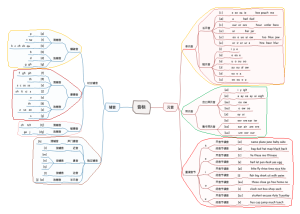
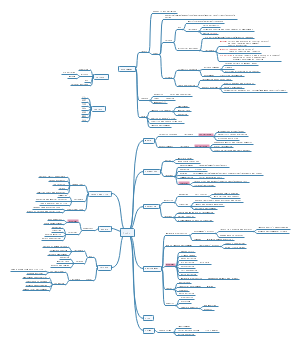
导图社区 Grammar in Use初级Appendices_15
全球销量第一的语法书,总页数超过1000页,400个语法要点,以情景为例将概念具体化。我希望能将其中的精华以不影响框架的形式呈现给大家,用于快速复习,补充易错知识点等,会尽快更完三本书哟(最好是用费曼学习法将这些知识活用后分享给身边的人!!)
编辑于2022-07-24 16:00:14这是一本为东野圭吾读者量身打造的深度阅读指南。书中系统梳理了《白夜 行》《嫌疑人X的献身》《恶意》等经典作品的人物关系网、章节逻辑脉络与隐藏主题,并深入剖析故事背后的社会隐喻与人性困境。无论是初读者快速理清剧情,还是资深书迷挖掘细节哲思,本书都能带你穿透文字表象,触及东野圭吾笔下那些“光与暗交织的真相”。每页笔记,都是向理性与感性的双重致敬。
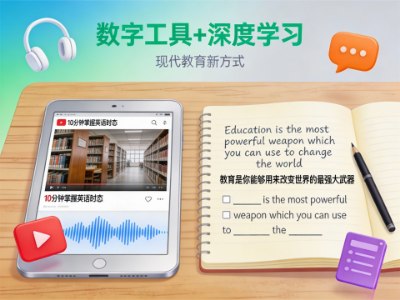
本作品集将杨帅老师的地道英语训练营精华,与海量真实YouTube场景深度结合,打造出“可看、可听、可练”的三维学习系统。每一单元精选高价值视频片段,配备逐句解析文本、核心词汇表、精准中文翻译及填空强化训练,带你跳出课本英语,真正掌握母语者的表达逻辑、高频用语与文化梗。从“听得懂”到“说得出”,这是一套让你用刷视频的方式,实现英语耳力与表达力同步蜕变的实战手册。
有段时间没更新啦,近期疲于思考读博的意义与就业导向,看了不少其他类型的书,后续可以分享~ 《祈愿女神》是东野圭吾一部充满温情与神秘色彩的作品,以月乡神社的千年樟树与“祈念”仪式为线索,串联起多个角色的命运交织。小说通过“寄念”与“受念”的奇幻设定,探讨记忆、家庭、救赎与珍惜当下的深刻主题。书中没有复杂的罪案,却以细腻的笔触刻画了边缘群体的挣扎与成长——失去记忆的少年、贫困的高中生、迷茫的神社守护人,他们在樟树的见证下,共同完成了一场关于爱与希望的仪式。如果你喜欢《解忧杂货店》中的人性治愈,一定会被这个故事深深打动。
帮助小伙伴理解和掌握日常对话中的语言表达和语法知识。我们最终的目标:提升!而非完美!重复重复重复,熟练熟练熟练!一起加油~
耍手机的习惯、与16阅读等是挂钩的嗷,很万金油的表达,问?问就是喜欢干ABC,因为之前只刷手机,觉得巴拉巴拉~
社区模板帮助中心,点此进入>>
这是一本为东野圭吾读者量身打造的深度阅读指南。书中系统梳理了《白夜 行》《嫌疑人X的献身》《恶意》等经典作品的人物关系网、章节逻辑脉络与隐藏主题,并深入剖析故事背后的社会隐喻与人性困境。无论是初读者快速理清剧情,还是资深书迷挖掘细节哲思,本书都能带你穿透文字表象,触及东野圭吾笔下那些“光与暗交织的真相”。每页笔记,都是向理性与感性的双重致敬。
本作品集将杨帅老师的地道英语训练营精华,与海量真实YouTube场景深度结合,打造出“可看、可听、可练”的三维学习系统。每一单元精选高价值视频片段,配备逐句解析文本、核心词汇表、精准中文翻译及填空强化训练,带你跳出课本英语,真正掌握母语者的表达逻辑、高频用语与文化梗。从“听得懂”到“说得出”,这是一套让你用刷视频的方式,实现英语耳力与表达力同步蜕变的实战手册。
有段时间没更新啦,近期疲于思考读博的意义与就业导向,看了不少其他类型的书,后续可以分享~ 《祈愿女神》是东野圭吾一部充满温情与神秘色彩的作品,以月乡神社的千年樟树与“祈念”仪式为线索,串联起多个角色的命运交织。小说通过“寄念”与“受念”的奇幻设定,探讨记忆、家庭、救赎与珍惜当下的深刻主题。书中没有复杂的罪案,却以细腻的笔触刻画了边缘群体的挣扎与成长——失去记忆的少年、贫困的高中生、迷茫的神社守护人,他们在樟树的见证下,共同完成了一场关于爱与希望的仪式。如果你喜欢《解忧杂货店》中的人性治愈,一定会被这个故事深深打动。
帮助小伙伴理解和掌握日常对话中的语言表达和语法知识。我们最终的目标:提升!而非完美!重复重复重复,熟练熟练熟练!一起加油~
耍手机的习惯、与16阅读等是挂钩的嗷,很万金油的表达,问?问就是喜欢干ABC,因为之前只刷手机,觉得巴拉巴拉~
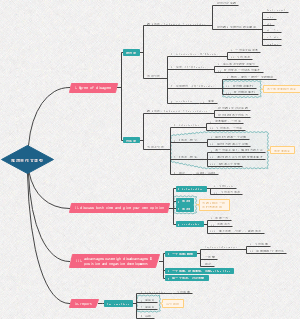
Grammar in Use初级 Appendices_15
Appendix 1 Active and passive
will/can/must/have to etc.
Appendix 2 List of irregular verbs
Irregular verbs
It can be regular or irregular
Appendix 3 Irregular verbs in groups
The past simple and past participle are the same
cost→cost; put→put cut→cut; shut→shut hit→hit; let→let hurt→hurt;
lend→lent; send→sent; smell→smelt spend→spent; build→built; lose→lost burn→burnt; learn→learnt; shoot→shot get→got; light→lit; sit→sat keep→kept; sleep→slept; feel→felt leave→left; meet→met; dream→dreamt mean→meant
bring→brought; buy→bought fight→fought; think→thought catch→caught; teach→taught
sell→sold; tell→told find→found; have→had hear→heard; hold→held read→read; say→said pay→paid; make→made stand→stood; understand→understood
The past simple and past participle are different
break→broke broken choose→chose chosen speak→spoke spoken steal→stole stolen wake→woke woken
drive→drove driven ride→rode ridden rise→rose risen write→wrote written beat→beat beaten bite→bit bitten hide→hid hidden
eat→ate eaten fall→fell fallen forget→forgot forgotten give→gave given see→saw seen take→took taken
blow→blew blown grow→grew grown know→knew known throw→threw thrown fly→flew flown draw→drew drawn show→showed shown
begin→began begun drink→drank drunk swim→swam swum ring→rang rung sing→sang sung run→ran run
come→came come become→became become
Appendix 4 Short forms
When we write short forms, we use ' (an apostrophe)
'd = would or had
's
's = is or has
let's = let us
my brother's car = his car
Do not use 'm/'s/'d etc. at the end of a sentence
"Yes, I am"
She isn't tired, but he is.
But we can use short forms with other words too
Who's your favourite singer? (=Who is)
What's the time? (=What is)
There's a big tree in the garden. (=there is )
My sister's working in London. (=My sister is working)
Paul's gone out. (=Paul has gone out)
Short forms
Negative short forms
Appendix 5 Spelling
Words + -s and -es
noun +s(plural)
verb+s(he/she/it -s)
after -s/-sh/-ch/-x +es
also
potato→potatoes tomato→tomatoes do→does go→goes
-f/-fe → -ves
Words ending in -y
-y → -ies
-y → -ied
-y → -ier/iest
-y → -ily
-ay/-ey/-oy/-uy
Not change y to i
but say→said; pay→paid
-ing
Verbs that end in -e → -e×+ing
Verbs that end in -ie →-ying
Vowels and consonants
Vowel letters:
a e i o u
Consonant letters:
b c d f g k l m n p r s t w y
If a word ends in a vowel + a consonant, before -ing/-ed/-er/-est, p/g/t etc. become pp/gg/tt etc.
But ... not happen
The word ends in two consonant letters (C+C)
The word ends in two vowel letters + a consonant letter (V+V+C)
longer words of the last part is not stressed
The word ends in -y or -w
Appendix 6 Phrasal verbs
on
carry on = continue
go/walk/drive on etc. = continue going/walking/driving etc.
come on = be quick
get on = manage(in a job, at school, in an exam etc.)
hold on = wait
off
take off = leave the ground(for planes)
go off = explode(a bomb etc.) or ring (an alarm etc.)
up
give up = stop trying
grow up = become an adult
hurry up = do something more quickly
speak up =speak more loudly
wake up = stop sleeping
wash up = wash the plates etc. after a meal
down
slow down = go more slowly
break down = stop working(for cars, machines etc.)
over
fall over = lose your balance
Appendix 7 Phrasal verbs + object
in/out
fill in/ fill out a form = complete a form
out
put out a fire, a cigarette etc.
cross out a mistake, a word etc.
on
try on clothes = put on clothes to see if they fit you
up
give up something = stop doing it
look up a word in a dictionary etc.
turn up the TV, radio, music heating etc.= make it louder or warmer
wake up somebody who is sleeping
down
knock down a building = demolish it
turn down the TV, radio, music, heating etc. = make it more quiet or less warm
over
knock over a cup, a glass, a person etc.
away
throw away rubbish, things you don't want
put something away = put it in the place where you usually keep it
back
pay somebody back = give back money that you borrowed
round/around
show somebody round/around = take somebody on a tour of a place