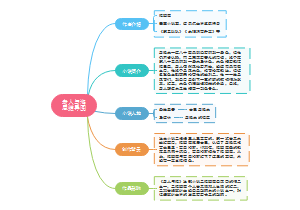
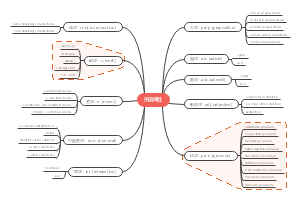
二语习得引论:One not widely used in the learner's immediate social context, which might be used for further travel or other cultural communication situations。
Chapter1. Introducing Second Language Acquisition
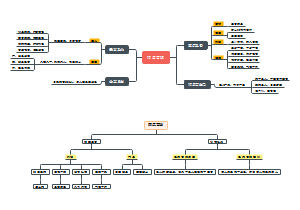
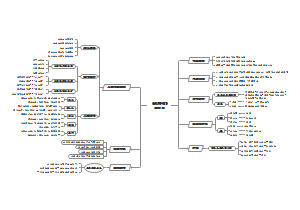
What is SLA
The definition of SLA
It refers both to the study of individual and groups who are learning a language subsequent to learning their first one as young children and to the process of learning that language.
It involves a wide range of language learning settings and learner characteristics and the circumstances.
The scope of SLA
Informal L2 learning
Takes place in naturalistic context
Formal L2 learning
Takes place in classrooms
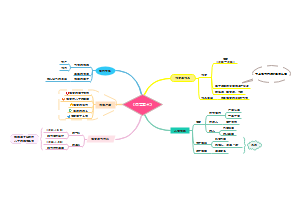
Three basic questions
What exactly does L2 learner come to know?
How does the learner acquire this language?
Why are some learners more successful than others?
No answers to these questions
SLA is highly complex in nature.
Scholars studying SLA come from academic disciplines which differ greatly in theory and research methods
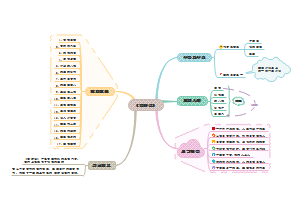
The multidisciplinary nature of SLA
Linguists
The characteristics of the differences and similarities and the languages that are in learned
Linguistic competence(underlying knowledge)
Linguistic performance(Actual production)
Psychologists
Mental or cognitive processes.
The representation of languages in the brain.
Sociolinguists
Communicative competence
Pragmatic competence
Social psychologists
Group-related phenomenon
Different perspectives
Linguistic
Psychological
Social
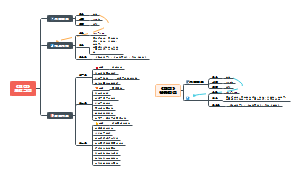
What is a second language
A second language
An official or socially dominant language needed for education employment and other basic purposes
A foreign language
One not widely used in the learner's immediate social context, which might be used for further travel or other cultural communication situations, or studied as a curricular requirements or elective in school, but was no immediate or necessary practical application.
A library language
When which functions primarily as a tool for further learning through reading, especially when books or journals in a desired field of study are not commonly published in the learns' native tongue.
An auxiliary language
One which learners need to know for some official functions in their immediate political setting, or will need for proposes of wider communication, although their first language serve the most their needs in their lives.
What is a first language
Simultaneous multilingualism
Acquisition of more than one language during early childhood.