导图社区 专四反意疑问句
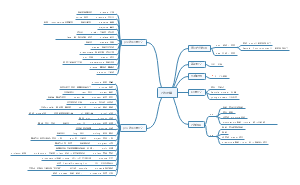
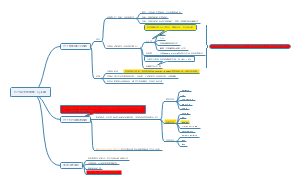
专四反意疑问句的思维导图,总原则是:前肯,后否;前否,后肯。 注意:前后时态要一致 否定形式:no, not, never, little, few, seldom, scarely, hardly, rarely。
专四倒装的思维导图,分为完全倒装--形式:谓语+主语, 部分倒装--助动词+主语+谓语其他部分,用起来看吧。
专四情态动词的思维导图,整理了情态动词+do、情态动词+have done、情态动词、用作(含有)情态动词的短语,一起来学习。
关于专四虚拟语气的思维导图,内容有if引导的虚拟语气、其他形式虚拟,希望这份脑图会对你有所帮助。
社区模板帮助中心,点此进入>>
英文雅思大作文的命题类型和写作框架总结!
G类小作文书信写法
六级高频单词
英语学习:P的逻辑
英语学习p字母相关的单词
医学相关的英语词汇
系动词be的语法
48个国际音标标准学习
topic
雅思听力临考前策略
反意疑问句
总原则
前肯,后否
前否,后肯
注意:前后时态要一致
否定形式:no, not, never, little, few, seldom, scarely, hardly, rarely
疑问部分的主语
句子的主语是this, that(these,those)时,反意疑问句的主语为 it (they)
there be 结构的反意疑问句,反意疑问句的主语用 there
There used to be...,didn't there?
There used to be..., usedn't there?
复合句中的反意疑问句
①反意疑问句的主语应与主句主语一致
e.g. Mary said her son would come, didn't she?
②主句的主语是I/we,谓语是think/ believe/ suppose 时,反意疑问句主语应与从句主语一致
e.g. I don't think he'll come, will he?
③主句的主语是非第一人称,谓语是think, suppose,believe, fancy, imagine, expect时,反意疑问句主语应与主句主语一致
e.g. They don't believe she's an engineer, do they?
句子的主语是复合不定代词
①指物的合成词 如everything, something, nothing
反意疑问句的主语只能用 it
②指人的合成词 如everyone, everybody, somebody, someone, nobody, no one
反意疑问句的主语通常用he, 非正式可用they
特殊反意疑问句
祈使句
祈使句否定/肯定
祈使句否定,will you?
祈使句肯定,won't you/ will you/ would you?
第一人称/第二人称
第一人称
Let me...,may I/will you?
Let's...,shall we?
Let us...,will you/won't you?
第二人称
Do me a favor, will you/won't you?
have/has/had
①实义动词,表示"有”
反意疑问句可以用have/has/had 或 do/does/did
②实义动词,其他意思
反意疑问句只能用do/does/did
need/dare
①情态动词
反意疑问句用need/dare
②实义动词
反意疑问句用do/does/did
must
①情态动词,”必须“
反意疑问句用mustn't
②“必要”
反意疑问句用needn't
③“一定,肯定”
must+do,表示对现在的推测,疑问部分用一般现在时
e.g. He must be very tired, isn't he?
must+have done+过去时间状语,表示对过去的推测,疑问部分用一般过去时
e.g. You must have got up late this morning, didn't you?
must+have done,疑问部分用现在完成时
e.g. You must have met him before, haven't yuou?
mustn't 禁止
反意疑问部分常用must
e.g. You mustn't walk on grass, must you?
I wish...
反意疑问句用may I
回答形式
陈述部分肯定
肯定:Yes
否定:No
陈述部分否定
肯定:No
e.g. George wasn't there that day, was he?乔治那天不在那里,对吧? ——No, he wasn't. 对,他不在。
否定:Yes
e.g. George wasn't there that day, was he?乔治那天不在那里,对吧? ——Yes, he was. 不,他在。