导图社区 EF英语 级别4-单元-6 度假
- 205
- 5
- 1
- 举报
EF英语 级别4-单元-6 度假
个人学习EF英语,制作了思维导图笔记,内容详细。此笔记为级别4-单元-6 度假。
编辑于2019-02-04 09:33:30- 相似推荐
- 大纲

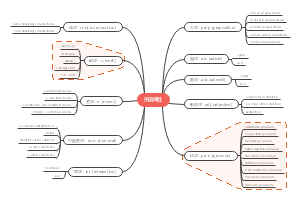

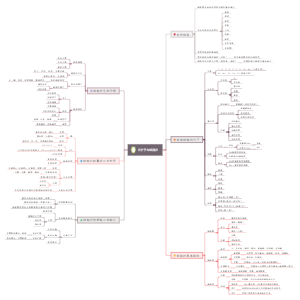

级别4 单元 6 度假
2 讨论度假计划
词汇
度假活动
fishing
fishing 钓鱼, 渔业 /ˈfɪʃɪŋ/ the sport or business of catching fish They often go fishing. 他们经常钓鱼。
going to a spa
going to a spa 做水疗 /ˈɡoʊɪŋ tə ə spɑː/ going to a relaxing place where you can receive treatments, such as massages or facials Do you feel relaxed after going to the spa yesterday? going to a spa downtown
going to the beach
going to the beach 去海滩 /ˈɡoʊɪŋ tə ðə biːtʃ/ going to an area of sand beside the sea, ocean or lake John's family is going to the beach for vacation this year. going to the beach in summer
diving
diving 潜水 /ˈdaɪvɪŋ/ an act of going underwater and swimming there with special equipment a dive to a depth of 18 meters 潜水深度达18米
biking
biking 骑自行车 /ˈbaɪkɪŋ/ to go somewhere on a bicycle or motorcycle My dad bikes to work every day. 我爸爸每天骑自行车上班
sightseeing(游览)
sightseeing 游览 /ˈsaɪtsiːɪŋ/ the activity of visiting interesting buildings and places as a tourist to go sightseeing 去观光
camping
camping 露营 /ˈkæmpɪŋ/ living in a tent on holiday/vacation Do you go camping? 要去露营吗?
visiting family
visiting family 探望家人 /ˈvɪzɪtɪŋ ˈfæməli/ spending time with people who are related to you He couldn't make it to the picnic because he's visiting family today. visiting family on vacation
shopping
shopping 购物 /ˈʃɑːpɪŋ/ the activity of going to shops/stores and buying things to go shopping 去购物
horseback riding
horseback riding 骑马 /ˈhɔːrsbæk ˈraɪdɪŋ/ the sport or activity of riding horses Horseback riding is generally done with a saddle.
语法
谈论地方
be + going to + 动词
使用 be + going to + 动词谈论未来确认的计划或打算。 A: What are you going to do on vacation? B: I'm going to visit friends and family. And I'm not going to work. 你假期打算做什么? 我打算去探望朋友和家人。我不打算工作。
A: What are you going to do on vacation?
B: I'm going to visit friends and family. And I'm not going to work.
will + 动词
使用 be + going to + 动词谈论未来确认的计划或打算。 A: What are you going to do on vacation? B: I'm going to visit friends and family. And I'm not going to work. 你假期打算做什么? 我打算去探望朋友和家人。我不打算工作。 使用 will + 动词表示你预计或认为会发生的事情。在英语口语中,代词和动词通常缩写。 We'll probably stay in a hotel. 我们可能会呆在酒店。 I'll be happy living by the sea. (我会很高兴住在海边。) You'll like Paris. (你会喜欢巴黎的。)
We'll probably stay in a hotel.
I'll be happy living by the sea.
You'll like Paris.
动词和代词不缩写,表示特意的强调
如果动词和代词不缩写,通常是为了表示特意的强调。 You will have fun. (你会玩得开心的。) We will not fight. (我们不会打架。)
You will have fun.
We will not fight.
will + not + 动词,缩写为 won't。
表达否定意义,使用 will + not + 动词,缩写形式为 won't。 I won't get sick. (我不会生病。) They won't come with us. (他们不会跟我们来。)
I won't get sick.
They won't come with us.
要确定时间表示将来
要确定时间,你可以添加表示将来的时间表达: I'm going to go horseback riding on Thursday. (星期四我打算去骑马。) The next two days will be an adventure. (接下来两天将是一场冒险。)
I'm going to go horseback riding on Thursday.
The next two days will be an adventure.
练习
KARA: What are you doing ? SETH: Oh, nothing much. I'm just relaxing. Listening to some music. KARA: What's that book there? SETH: Uh, I'm reading about Prague. The history. I'm really enjoying it. KARA: Oh, that's right - you're going there on vacation next month. SETH: Yep. It'll be great. KARA: I'm sure it will. What are you going to do in Prague? SETH: Umm, I'm going to go sightseeing in the Old Town. I'm going to walk everywhere. Across the Charles Bridge ... KARA: Excellent! SETH: Yeah ... And I'll eat lots of good food. KARA: You're so lucky! Where are you going to stay ? SETH: Oh, I'll probably camp somewhere. Maybe I'll pay for a nice hotel on the weekend.
表达
表达疑虑
表达疑虑 使用类似下面的表达表示疑虑。注意语调的变化如何加深说话人的疑虑程度。 Are you sure about that? 那你确定吗? If you say so. 既然你这么说。 表达疑虑还有一种方法,就是重复或反驳某人刚说的话。再次注意表示疑虑的人的语调。 A: I'll probably go to the spa tonight. B: The spa? 我今晚很可能会去水疗中心? 水疗中心? A: We're going to travel through Europe this year. B: You're not going to Asia? 我们今年打算环游欧洲。 你不打算去亚洲吗? 语言点:注意这些表示疑虑的表达的使用方式和对象。比如,跟老板说 If you say so 可能不大好!
加深说话人的疑虑程度
Are you sure about that?
If you say so.
重复或反驳某人刚说的话
表达疑虑还有一种方法,就是重复或反驳某人刚说的话。再次注意表示疑虑的人的语调。 A: I'll probably go to the spa tonight. B: The spa? 我今晚很可能会去水疗中心? 水疗中心? A: We're going to travel through Europe this year. B: You're not going to Asia? 我们今年打算环游欧洲。 你不打算去亚洲吗?
A: I'll probably go to the spa tonight.
B: The spa?
A: We're going to travel through Europe this year.
B: You're not going to Asia?
4 描述假期
词汇
假期相关的动词
The bad news?He lost his passport.
We're visiting friends in Rome.
We love relaxing at the beach.
On weekends,we're eating out.
We took a tour of the mountains.
语法
用 So 来描述结果
So 来描述某一行动或时间的结果
用 So 来描述结果 你可以使用 So 来描述某一行动或时间的结果。注意,原因(he lost his passport)位于结果之前(he went to the embassy)。 Shawn lost his passport, so he went to the embassy. (Shawn 遗失了他的护照,所以去了大使馆。)
Shawn lost his passport, so he went to the embassy.
So与because的不同
注意:So 用于引出结果, because 用于引出原因。观察以下句子的不同之处: Emily recommended Corcovado, so we went there. (Emily 推荐基督山,所以我们去了那里。) We went to Corcovado because Emily recommended it. (我们去基督山,因为 Emily 推荐了那里。)
Emily recommended Corcovado, so we went there.
We went to Corcovado because Emily recommended it.
练习
Hi! I'm writing from Las Vegas. What a crazy trip! I got lost when I drove down here. I'm staying in a terrible hotel because the city is so crowded. It's snowing heavily, so I can't drive to the Grand Canyon today. I'll try to take a tour tomorrow. I can't do what I want to do, so I'm having fun playing blackjack at the nice hotels. See you soon. Jeremy
表达
表达目的
in order to + 基本动词
使用 in order to + 基本动词表达目的。如果 in order to + 从句位于句子主句之前,使用逗号;如果位于主句之后,则不必使用逗号。 In order to reserve our room, I called the hotel. (为了预订房间,我们打电话到酒店。) I called the hotel in order to reserve our room. 你可以完全省略 in order,只用 to。事实上,to 使用更加普遍,在英语口语中尤其如此。 Courtney went early to avoid the crowds. (Courtney 为了躲开人流早早就去了。)
In order to reserve our room, I called the hotel.
I called the hotel in order to reserve our room.
Courtney went early to avoid the crowds.
so that + 从句表达目的
你也可以使用 so that + 从句表达目的。如果位于主句之前,则在 so that 从句之后使用逗号,如果位于主句之后则不必使用逗号。 I turned off my phone so that I could relax. (我关了手机,以便能够休息。) So that I could relax, I turned off my phone. 你可以省略 that,只是用 so。 I saved my money so I could visit Terry. (我省钱,以便能够去看 Terry。)
I turned off my phone so that I could relax.
So that I could relax, I turned off my phone.
I saved my money so I could visit Terry.
练习
I exercise four times a week that in order so that I stay healthy. I was really tired, because so in order to I went to bed. Because So In order to pay for my study, I took a weekend job. I didn't like the meal to because so it was too spicy. I put on a sweater so to because keep warm.
写作
恰当得体的语体
使用恰当的语体 写信时使用正确的语体很重要。以下开头和结尾的一些正式和非正式表达。 非正式开头 Dear Kim, Hi, Mom! (亲爱的 Kim,) (嗨,妈妈!) 非正式结尾 Love, Take care. See you soon. (爱你的,) (保重。) (再见。) 正式开头 Dear Ms. Tackett, To whom it may concern: (亲爱的 Tackett 小姐,) (敬启者:) 正式结尾 Sincerely yours, Best regards, (谨上,) (此致,)
非正式开头
Dear Kim,
Hi, Mom!
非正式结尾
Love,
Take care.
See you soon.
正式开头
Dear Ms. Tackett,
To whom it may concern:
正式结尾
Sincerely yours,
Best regards,
练习
September 6 Hi, Nicole! How are you? I'm going to stay another night in Mali so that I can relax and do more sightseeing. Tomorrow, I'll take a tour of Djenne to see the amazing old buildings. The downtown market is full of wonderful smells, so I'm eating a lot of good food. I hope my money lasts because I'm buying many beautiful clothes. I'll give some to you! See you in a week! Love, Megan
3 送别某人
语法
用 'Will' 表达提议或主动做某事
将来做某事。
用 'Will' 表达提议或主动做某事 使用 will + 动词提议或自愿在不久或更远的将来做某事。 Let's go to Istanbul. I'll make the plane reservations right now. (我们去伊斯坦布尔吧。我马上订机票。) I'll drive you to the airport next week, if you want. (如果你愿意,下周我开车送你去机场。)
Let's go to Istanbul. I'll make the plane reservations right now.
I'll drive you to the airport next week, if you want.
非正式请求
使用 will + 动词提出非正式请求。 A: When I go on vacation, will you take care of my dog? B: Sure, I'll take care of little Sammie. (我去度假期间,你帮我照顾狗,好吗?) (没问题,我帮你照顾小 Sammie。)
A: When I go on vacation, will you take care of my dog?
B: Sure, I'll take care of little Sammie.
will not 谢绝请求
你可以使用 will not 谢绝请求,但务必谨慎使用:可能显得过于直接,可能会让人不高兴。 A: Will you get my luggage? B: No, I won't. (你帮我拿行李,好吗?) (不,我不行。)
A: Will you get my luggage?
B: No, I won't.
表达
告别用语
告别语 当某人出发旅行时,使用类似这样的表达送别: Have a great trip! 旅途愉快! Drive safely! 小心驾驶! Have a good flight. 坐飞机一路愉快! Call me when you get there. 到了打电话给我。 Don't worry about anything. 什么都不要担心。 当某人出发旅行时,你可以使用短语 Bon voyage!,该短语直接源于法语。 A: OK, then. I'm going. 好吧。那我走了。 B: Bon voyage! 一路平安!
Have a great trip!
Drive safely!
Have a good flight.
Call me when you get there.
Don't worry about anything.
Bon voyage!
语法
动词 'try'、'remember' 和 'stop'
Try
当动词 try 后接不定式 (to + 动词) 时,例如 to buy,表示试图做某事。 I can't go to the mall. Maybe I'll try to buy something online. (我不能去商场。也许我会试着网上购物。) 当动词 try 后接动名词时 (动词 + -ing),例如 swimming,表示第一次做某事,或尝试做不同的事情。 I don't like biking. Maybe I'll try swimming on my vacation. (我不喜欢骑自行车。也许假期我会试着游游泳。)
+to do,试图做某事
I can't go to the mall. Maybe I'll try to buy something online.
+doing,第一次做某事,或尝试做不同的事情
I don't like biking. Maybe I'll try swimming on my vacation.
Remember
'Remember' 当动词 remember 后接不定式时,例如 to call,表示记得去履行一项职责或任务。 I always remember to call my mother on Sunday. 我星期天总是记得打电话给我母亲。 当动词 remember 后接动名词时,例如 calling,表示记得过去做过某事。 I remember calling the neighbors. (我记得给邻居打电话了。)
+to do,记得去履行一项职责或任务
I always remember to call my mother on Sunday.
+doing,记得过去做过某事
I remember calling the neighbors.
Stop
'Stop' 当动词 stop 后接不定式时,如 to eat,表示停止一个动作,开始另一个动作。在本例中,这个人在工作,但停下工作吃东西。 I stopped to eat when I got hungry. 当我饿的时候,我停下来去吃了点东西。 当动词 stop 后接动名词时,如 eating,表示一个中止的动作。 I stopped eating when I felt sick. (我感觉恶心,停止了吃东西。)
+to do,停止一个动作,开始另一个动作
I stopped to eat when I got hungry.
+doing,表示一个中止的动作
I stopped eating when I felt sick.
练习
Did you remember to call your mother? I remember seeing you at the party last week. I'll try to eat more fruit and vegetables. I'm nervous, but I'm going to try sailing for the first time. I stopped at the office to do some work. I stopped working at six o'clock.
听力
省略形式
元音常常缩短或是省略
省略形式 记住,在英语口语中,每个词的每个音并不是总要发出来。尤其是元音常常缩短或是省略。这些形式很少在书面英语中使用,但听到时能够辨识很重要。 请听 going to、have to 和 want to 的省略形式。注意它们书写和发音的不同之处。
'Going to'
'Going to' We're going to fly to Hawaii. 我们打算坐飞机去夏威夷。 I'm going to call my mom. 我打算打电话给我妈妈。 It's going to rain. 要下雨了。 She's going to play computer games. 她打算玩电脑游戏。
We're going to fly to Hawaii.
I'm going to call my mom.
It's going to rain.
She's going to play computer games.
'Have to'
'Have to' I have to go. 我得走了。 We have to be quick. 我们不得不快点。 She has to leave. 她不得不离开。 He has to get up early. 他不得不早起
I have to go.
We have to be quick.
She has to leave.
He has to get up early.
'Want to'
'Want to' I want to go to bed. 我想上床睡觉。 Do you want to go to the movies? 你想去看电影吗? She wants to eat out. 她想出去吃饭。 He wants to go home. 他想回家。
I want to go to bed.
Do you want to go to the movies?
She wants to eat out.
He wants to go home.
1 获取目的地信息
词汇
地理位置
lake
river
desert
valley(山谷, 溪谷, 流域)
forest
ocean
beach
mountains
mountains 山, 山脉 /ˈmaʊntnz/ a very high hill, often with rocks near the top a mountain rescue team 山地救援队
coast
hills
hills 小山, 山丘 /hɪlz/ an area of land that is higher than the land around it, but not as high as a mountain I love walking in the hills (= in the area where there are hills). 我喜欢在山林间漫步。
表达
天气、季节和温度
你可以描述天气和温度。
你可以描述天气和温度。 It's often windy. 常常刮风。 It's so cold and cloudy. 天很阴,又很冷。 It gets to 115 degrees Fahrenheit. That's, like, 46 degrees Celsius! 温度达到华氏 115 度,相当于 46 摄氏度
It's often windy.
It's so cold and cloudy.
It gets to 115 degrees Fahrenheit. That's, like, 46 degrees Celsius!
表达感觉和观点的形容词
你可以使用表达感觉和观点的形容词。 Fall is perfect. 秋天很美。 Winter is terrible. 冬天很糟。 It's lovely in spring. 春天真美。
Fall is perfect.
Winter is terrible.
It's lovely in spring.
比较时间、地点和环境。
你可以比较时间、地点和环境。 It gets cooler at night. 夜晚天气变得更凉爽。 It's nicer here than in the desert. 这里比沙漠更好。 It's hot in summer and cold in winter. 冬冷夏热。
It gets cooler at night.
It's nicer here than in the desert.
It's hot in summer and cold in winter.
阅读
阅读策略
阅读前后的单词和句子得出生词的意思
阅读策略 在阅读第二语言时,你可能会碰到不熟悉的单词和表达。要解决这一问题,一种策略是通过阅读前后的单词和句子得出生词的意思。你常常会在生词附近的上下文中找到它的同义词和反义词、定义和解释。 在下面的第一个句子中,你看到单词 waterfall。紧接着下一句你就会读到解释:water from the Paine River falls beautifully into Pehoe Lake,你可以用这来猜测单词 waterfall 的意思。 Take a hike to Salto Grande waterfall. There, water from the Paine River falls beautifully into Pehoe Lake.
练习
Patagonia trip In the mountains, at the ocean January 27 to February 6 Travel to the far mountains and clean oceans of Chile and Argentina. Camp at the snowy Perito Moreno Glacier, a river of ice where it sometimes gets to 28 degrees Fahrenheit, or -2 degrees Celsius. Visit the warm, sunny wilderness at Torres del Paine Park. Find cool lakes, amazing rocky hills and many colorful birds flying through the gorgeous wilderness.
表达
谈论地方
询问他们是否喜欢自己的家乡
询问他们是否喜欢自己的家乡,是鼓励他人谈论其家乡的一种方法。 A: Where are you from? 你来自哪里? B: I'm from Ottawa. 我来自渥太华。 A: Do you like it there? 你喜欢那里吗? B: Oh, yeah. There are fantastic museums and festivals. 哦,是的。那里有许多很好的博物馆和节日。
A: Where are you from?
B: I'm from Ottawa.
A: Do you like it there?
B: Oh, yeah. There are fantastic museums and festivals.
询问某件具体的事情,What's the + 名词 + like
询问某件具体的事情,你可以使用表达 What's the + 名词 + like?。记住,这里的 like 不同于 Do you like ...? 中的用法。 A: What's the weather like in your hometown? 你的家乡天气什么样子? B: It's cold and snowy in winter. It gets to -30 degrees. But it's warm in summer and fall. 冬天寒冷,还会下雪。温度降到零下 30 度。但夏天和秋天很暖和。 A: What's the food like in Ottawa? 在渥太华都吃什么? B: Well, we eat a lot of fish. And poutine is popular. It's special french fries with cheese. 嗯,我们常常吃鱼,奶酪蘸番茄酱薯条很受欢迎。这种薯条搭配奶酪,很特别。 A: What are the people like? 人都怎么样? B: Many people are university graduates and can speak English and French. 许多人读过大学,会讲英语和法语。
A: What's the weather like in your hometown?
B: It's cold and snowy in winter. It gets to -30 degrees. But it's warm in summer and fall.
A: What's the food like in Ottawa?
B: Well, we eat a lot of fish. And poutine is popular. It's special french fries with cheese.
A: What are the people like?
B: Many people are university graduates and can speak English and French.