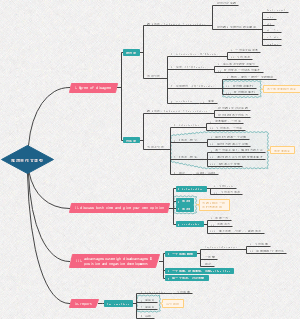
used to show who is intended to have or use sth or where sth is intended to be put (表示对象、用途等)给,对,供
•There's a letter for you. 有你一封信。
•It's a book for children. 这是本儿童读物。
•We got a new table for the dining room. 我们给饭厅添了一张新桌子。
•This is the place for me (= I like it very much) . 这里很适合我。
in order to help sb/sth 以帮助;为了
•What can I do for you (= how can I help you) ? 有什么事我可以为你效劳?
•Can you translate this letter for me? 你能为我翻译这封信吗?
•I took her classes for her while she was sick. 她生病时我为她代课。
•soldiers fighting for their country 为祖国出征的军人
concerning sb/sth 关于
•They are anxious for her safety. 他们为她的安全担心。
•Fortunately for us, the weather changed. 我们运气好,天气变了。
as a representative of 代表
•I am speaking for everyone in this department. 我代表这个部门全体人员讲话。
employed by 受雇于
•She's working for IBM. 她在IBM公司工作。
meaning 意思是
•Shaking your head for ‘No’ is not universal. 以摇头表示“不”,并非放诸四海而皆准。
in support of sb/sth 支持;拥护
•Are you for or against the proposal? 你支持还是反对这个建议?
•They voted for independence in a referendum. 他们在全民公决投票中赞成独立。
•There's a strong case for postponing the exam. 有充分理由推迟考试。
•I'm all for people having fun. 我完全赞成人们尽情享乐。
used to show purpose or function (表示目的或功能)
•a machine for slicing bread 切面包片机
•Let's go for a walk. 咱们去散散步。
•Are you learning English for pleasure or for your work? 你学英语是出于消遣还是为了工作?
•What did you do that for (= Why did you do that) ? 你为什么干那件事?
used to show a reason or cause 因为;由于
•The town is famous for its cathedral. 这个城镇以大教堂著名。
•She gave me a watch for my birthday. 她送给我一块手表作为生日礼物。
•He got an award for bravery. 他因英勇受奖。
•I couldn't speak for laughing. 我笑得说不出话来。
in order to obtain sth 为得到;为获取
•He came to me for advice. 他来征求我的意见。
•For more information, call this number. 欲知详情,请拨打此电话号码。
•There were over fifty applicants for the job. 有五十多人申请这个工作。
in exchange for sth 换取
•Copies are available for two dollars each. 两元一份。
•I'll swap these two bottles for that one. 我要拿这两瓶换那一瓶。
considering what can be expected from sb/sth 就…而言
•The weather was warm for the time of year. 在一年的这个时节这天气算是暖和的了。
•She's tall for her age. 从她这个年龄看她个子算是高的。
•That's too much responsibility for a child. 对于一个孩子来说,这责任是太重了。
better, happier, etc. ~ sth better, happier, etc. following sth …后(更好、更快乐等)
•You'll feel better for a good night's sleep. 你晚上睡个好觉就会觉得好些。
•This room would look more cheerful for a spot of paint. 这个房间油漆一下就会显得更加悦目。
used to show where sb/sth is going (表示去向)往,向
•Is this the bus for Chicago? 这辆公共汽车是去芝加哥的吗?
•She knew she was destined for a great future. 她知道她注定要成大器。
used to show a length of time (表示一段时间)
•I'm going away for a few days. 我要离开几天。
•That's all the news there is for now . 目前新闻就这么多。
used to show that sth is arranged or intended to happen at a particular time (安排或预定)在…时
•an appointment for May 12. 5月12日的一次约见
•We're invited for 7.30. 我们受到邀请,7点30分出席。
used to show the occasion when sth happens (表示场合)
•I'm warning you for the last time—stop talking! 我最后一次警告你—闭嘴!
used to show a distance (表示距离)
•The road went on for miles and miles. 这条道路绵延数英里。
used to say how difficult, necessary, pleasant, etc. sth is that sb might do or has done 对(某人)来说(困难、必需、愉快等)
•It's useless for us to continue. 我们继续做下去也无用。
•There's no need for you to go. 你不必走。
•For her to have survived such an ordeal was remarkable. 她经历了那样的苦难活下来了,真不简单。
•The box is too heavy for me to lift. 这只箱子太沉,我搬不动。
•Is it clear enough for you to read? 这个你读起来清不清楚?
used to show who can or should do sth (表示谁可以或应该做某事)
•It's not for me to say why he left. 不适宜由我说出他离开的原因。
•How to spend the money is for you to decide. 怎样花这笔钱由你决定。