Watchwords
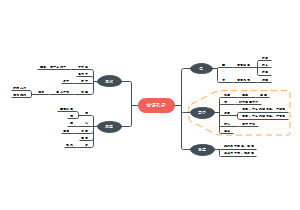
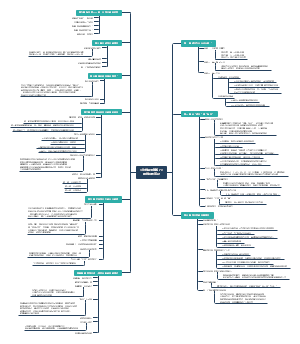
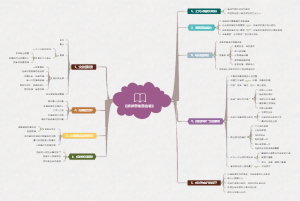
Liberty, equality, and fraternity are watchwords of the French Revolution.
Result
republicanism replaced the absolute monarchy in France
Influence
1. democratic movements and national liberation movements swept across many European countries.
2. Many Romantic writers got their inspiration from it and wrote some beautiful poems or prose.
Industrial Revolution
Changes after Revolution
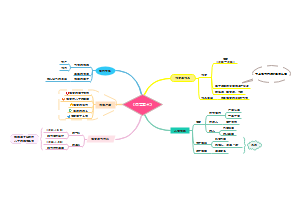
The primarily agricultural society had been replaced by a modern industrialized one.
Criticism from Romantics
The romantic writers expressed a more or less negative attitude toward the existing social and political conditions and the growing importance of the bourgeoisie
Cultural Background
Rousseau(卢梭)
1.the father of Romanticism
2. Du Contrat Social (1762)(社会契约论) and Emile (1762) provided the necessary guiding principles for the French Revolution
3. rejects the worship of reason(理性)
4. preaches that the civilized men should “return to nature”, to a primitive state of life
Edmund Burke (埃德蒙.伯克)
1. Reflection on the Revolution in France (1790)《关于法国革命的感想》.
2. early work linked the sublime and the beautiful to human emotions and physical senses as well as imagination, thus elevating the function of instincts and emotions.
Thomas Paine (托马斯.潘恩,美国裔英国作家)
1. The Rights of Man (1791-1792)《人的权利》
2. to overthrow a government that opposes humanity.
William Godwin (威廉.戈德温)
1. who exerted a great influence on Wordsworth, Shelley and other poets, wrote passionately against the injustices
2. Inquiry Concerning Political Justice (1793)《论政治公平》.
Mary Wollstonecraft (沃斯通克拉夫特)
1. A Vindication of the Rights of Woman (1792)《女权辩护》
The Characteristics of the English Romanticism
1. Dissatisfaction with the Bourgeois Society
2. Imagination
3. Emotionalism
4. Individualism
5. Glorification of the Commonplace and Common People