导图社区 Windows Azure思维导图
Windows Azure是微软基于云计算的操作系统,现在更名为Microsoft Azure。Windows Azure的主要目标是为开发者提供一个平台,帮助开发可运行在云服务器、数据中心、Web和PC上的应用程序。本图梳理了虚拟网络对等、存储、在Azure中构建网络、存储基础设施等内容。
编辑于2021-07-20 18:05:27AZ-303
vocalbal
versus
tier
contrast
tedious
failover
error-prone
outages
durability
ransomware
transient
criticality
replication
implications.
resiliency
eliminates
mitigate
retention
automate
rigorous
Standardize
audit
facilities
pruned
dedicated
segregate
interconnected
Alternatively,
non-zone-aware
malicious
configuration:
Reciprocal
destined
acquisitions
tailored
complexity
diagram
Overlapping
simulated
circuit
capabilities
engaged
Establishing
simulate
registered
redundancy
Metered
primitive
autonomous
specify
versus
Determines
incapacitates
synchronously
sensitivity
diversity
consumed
proprietary
partition
minimizing
pricing
fictitious
spikes
catastrophic
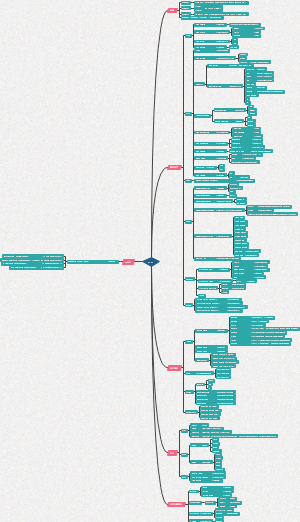
Virtual NetWork Peer
az network vnet list --output table
Storage
Replication
LRS
Local Redundant-Storage
guards against hardware failure but does not protect you from an event that incapacitates the entire datacenter
written
GRS
Geo Redundant-Storage
to get replication at different datacenters across the world
Six Repication
ZRS
Zone-redundant storage
replicates your Azure Storage data synchronously across three Azure availability zones in the primary region,accessible
for both read and write
GZRS
Geo-zone-redundant storage
copies your data synchronously across three Azure availability zones in the primary region using ZRS. It then copies your data asynchronously to a single physical location in the secondary region. Within the secondary region, your data is copied synchronously three times using LRS.
参照
https://docs.microsoft.com/en-us/azure/storage/common/storage-redundancy
??? about synchronously
Kind
StorageV2 (general purpose v2)
the current offering that supports all storage types and all of the latest features
Storage (general purpose v1)
a legacy kind that supports all storage types but may not support all features
Blob storage
a legacy kind that allows only block blobs and append blobs
Performance
Standard
This option decides the type of disk storage used to hold the data in the Storage account. Standard uses traditional hard disks, and Premium uses solid-state drives (SSD) for faster access.
tier
Architect network infrastructure in Azure
Connect your on-premises network to Azure with VPN Gateway
Policy-based VPNs
??
Route-based VPNs
?
1:Vnet and Subnet
2:add the GatewaySubnet subnet to Vnet
3:local-gateway ip Address is belong on^premise
This gateway represents the on-premises network that you're connecting to.
too diffucult
Connect your on-premises network to the Microsoft global network by using ExpressRoute
SKU
Standard
if you have up to 10 virtual networks and only need to connect to resources in the same geographical region
Premium
Otherwise, select
Billing model
Unlimited
pay a flat fee regardless of usage
Metered
pay according to the volume of traffic that enters and exits the circuit
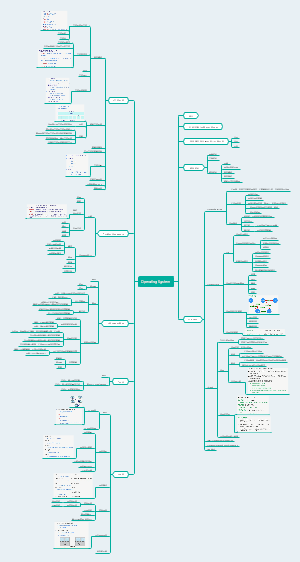
Architect storage infrastructure in Azure
Choose a data storage approach in Azure
Create an Azure Storage account
Upload, download, and manage data with Azure Storage Explorer
Connect an app to Azure Storage
Make your application storage highly available with read-access geo-redundant storage
Secure your Azure Storage account
Store and share files in your app with Azure Files
Choose the right disk storage for your virtual machine workload
Monitor, diagnose, and troubleshoot your Azure storage
Architect compute infrastructure in Azure
Explore Azure compute services
Manage virtual machines with the Azure CLI
Choose a compute provisioning solution for your application
Deploy Azure infrastructure by using JSON ARM templates
Deploy Azure virtual machines from VHD templates
Deploy Azure infrastructure by using JSON ARM templates
Choose the best Azure service to automate your business processes
Introduction to high-performance computing (HPC) on Azure
Run parallel tasks in Azure Batch with the Azure CLI
Architect infrastructure operations in Azure
Control and organize Azure resources with Azure Resource Manager
Build a cloud governance strategy on Azure
Design a holistic monitoring strategy on Azure
Improve incident response with alerting on Azure
Analyze your Azure infrastructure by using Azure Monitor logs
Architect a data platform in Azure
Explore Azure database and analytics services
Provision an Azure SQL database to store application data
Scale multiple Azure SQL Databases with SQL elastic pools
Migrate your relational data stored in SQL Server to Azure SQL Database
Develop and configure an ASP.NET application that queries an Azure SQL database
Create an Azure Cosmos DB database built to scale
Distribute your data globally with Azure Cosmos DB
Insert and query data in your Azure Cosmos DB database
Design a data warehouse with Azure Synapse Analytics
Import data into Azure Synapse Analytics by using PolyBase
Architect message brokering and serverless applications in Azure
Create serverless logic with Azure Functions
Route and process data automatically using Logic Apps
Choose a messaging model in Azure to loosely connect your services
Communicate between applications with Azure Queue storage
Enable reliable messaging for Big Data applications using Azure Event Hubs
Implement message-based communication workflows with Azure Service Bus
React to state changes in your Azure services by using Event Grid
Expose hybrid services securely with Azure Relay
Architect modern applications in Azure
Build a containerized web application with Docker
Run Docker containers with Azure Container Instances
Build and store container images with Azure Container Registry
Host a web application with Azure App Service
Deploy and run a containerized web app with Azure App Service
Introduction to Azure Kubernetes Service
Work with mutable and partial data in Azure Cache for Redis
Architect API integration in Azure
Publish and manage your APIs with Azure API Management
Improve the performance of an API by adding a caching policy in Azure API Management
Protect your APIs on Azure API Management
Control authentication for your APIs with Azure API Management
Expose multiple Azure Function apps as a consistent API by using Azure API Management
Architect migration, business continuity, and disaster recovery in Azure
Design your migration to Azure
Protect your on-premises infrastructure from disasters with Azure Site Recovery
Design your site recovery solution in Azure
Protect your Azure infrastructure with Azure Site Recovery
Protect your virtual machines by using Azure Backup
BCDR
Business Continuity and Disaster Recover
Back up and restore your Azure SQL database
Build a scalable application with virtual machine scale sets
Dynamically meet changing web app performance requirements with autoscale rules
Scale an App Service web app to efficiently meet demand with App Service scale up and scale out
Design a geographically distributed application