导图社区 Key points for production and
混合与微电网产品的生产和测试控制是确保电力系统稳定和高效运行的关键环节。本文详细介绍了混合和微电网产品在生产和测试过程中需要关注的各项关键点,包括生产阶段的组件检验、系统集成、线路检查,以及测试阶段的电路检验、电池组安全测试、软件配置等。通过科学的流程管理和严格的检验标准,企业能够有效提升产品质量,降低故障率,从而在市场竞争中占据优势。在生产过程中,我们强调对电池组、多功能面板、主控柜等关键组件的严格检验,确保每一组件都符合技术协议和参数验收标准。系统集成阶段,通过验证电气制造标准、校准参数表、检查电路图和连接点,确保整个系统的协调和稳定。在测试阶段,重点进行电路检验、电池组安全测试和软件配置,确保产品在各种工况下的可靠性和安全性。此外,我们还提供了详细的流程文档,包括生产测试报告、质量检查表、验收证书等,帮助企业实现流程标准化和数据化管理。这些文档不仅有助于内部质量控制,还能在产品交付时提供给客户,增强客户信任和满意度。无论您是电力行业从业者、系统集成商还是终端用户,本文都将为您提供有价值的参考和指导。
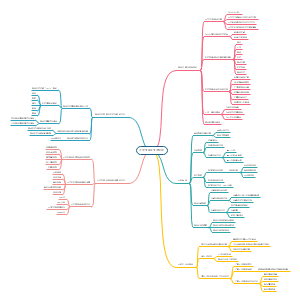
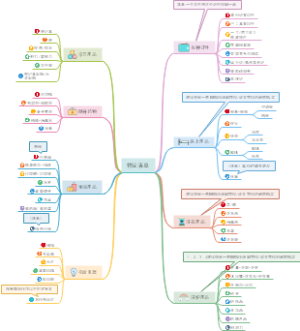
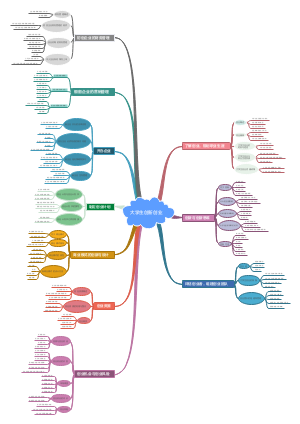
编辑于2026-03-13 18:10:46这张思维导图详细列出了“混合和微电网产品的生产和测试管控要点”,涵盖了从生产到测试,再到最终检验入库的全过程,以及相关的过程文档,是确保产品质量和性能的重要指南。在生产阶段,思维导图分为生产I和生产II两个主要部分。生产I聚焦于各类检验报告的生成,包括电池包、多功能面板、电池簇以及总控柜的装配检验报告,这些报告确保了各个组件在装配过程中的质量符合标准。生产II则更侧重于系统集成方面的检验,如柜体防水试验、消防管网气密性试验以及总装检查等,这些检验步骤对于保障系统的整体性能和安全性至关重要。进入测试阶段,思维导图详细列出了多个关键测试点。首先,待测产品的准备工作必须充分,包括电气制造标准的验证、控制逻辑流程图的制定、校准参数表和测试报告模板的准备,以及电气原理图、电缆图等图纸的审核。这些准备工作为后续的测试提供了坚实的基础。接下来是上电前的线路检查,包括外部和内部电缆连接的检查,确保线路连接正确无误。在主要电路安全测试中,思维导图强调了短路电路检查、电缆松脱检查以及螺栓连接点松脱检查的重要性,这些检查能够有效预防电路故障和安全事故的发生。电池包安全测试则包括电路正常及调试准备。
混合与微电网产品的生产和测试控制是确保电力系统稳定和高效运行的关键环节。本文详细介绍了混合和微电网产品在生产和测试过程中需要关注的各项关键点,包括生产阶段的组件检验、系统集成、线路检查,以及测试阶段的电路检验、电池组安全测试、软件配置等。通过科学的流程管理和严格的检验标准,企业能够有效提升产品质量,降低故障率,从而在市场竞争中占据优势。在生产过程中,我们强调对电池组、多功能面板、主控柜等关键组件的严格检验,确保每一组件都符合技术协议和参数验收标准。系统集成阶段,通过验证电气制造标准、校准参数表、检查电路图和连接点,确保整个系统的协调和稳定。在测试阶段,重点进行电路检验、电池组安全测试和软件配置,确保产品在各种工况下的可靠性和安全性。此外,我们还提供了详细的流程文档,包括生产测试报告、质量检查表、验收证书等,帮助企业实现流程标准化和数据化管理。这些文档不仅有助于内部质量控制,还能在产品交付时提供给客户,增强客户信任和满意度。无论您是电力行业从业者、系统集成商还是终端用户,本文都将为您提供有价值的参考和指导。
这是一篇关于技术文档开发部门的思维导图,展示了该部门的组织架构、岗位职责以及与其他工作的协同关系,还详细列出了技术文档在不同阶段(从产品研发到售后及培训等)的具体任务。
社区模板帮助中心,点此进入>>
这张思维导图详细列出了“混合和微电网产品的生产和测试管控要点”,涵盖了从生产到测试,再到最终检验入库的全过程,以及相关的过程文档,是确保产品质量和性能的重要指南。在生产阶段,思维导图分为生产I和生产II两个主要部分。生产I聚焦于各类检验报告的生成,包括电池包、多功能面板、电池簇以及总控柜的装配检验报告,这些报告确保了各个组件在装配过程中的质量符合标准。生产II则更侧重于系统集成方面的检验,如柜体防水试验、消防管网气密性试验以及总装检查等,这些检验步骤对于保障系统的整体性能和安全性至关重要。进入测试阶段,思维导图详细列出了多个关键测试点。首先,待测产品的准备工作必须充分,包括电气制造标准的验证、控制逻辑流程图的制定、校准参数表和测试报告模板的准备,以及电气原理图、电缆图等图纸的审核。这些准备工作为后续的测试提供了坚实的基础。接下来是上电前的线路检查,包括外部和内部电缆连接的检查,确保线路连接正确无误。在主要电路安全测试中,思维导图强调了短路电路检查、电缆松脱检查以及螺栓连接点松脱检查的重要性,这些检查能够有效预防电路故障和安全事故的发生。电池包安全测试则包括电路正常及调试准备。
混合与微电网产品的生产和测试控制是确保电力系统稳定和高效运行的关键环节。本文详细介绍了混合和微电网产品在生产和测试过程中需要关注的各项关键点,包括生产阶段的组件检验、系统集成、线路检查,以及测试阶段的电路检验、电池组安全测试、软件配置等。通过科学的流程管理和严格的检验标准,企业能够有效提升产品质量,降低故障率,从而在市场竞争中占据优势。在生产过程中,我们强调对电池组、多功能面板、主控柜等关键组件的严格检验,确保每一组件都符合技术协议和参数验收标准。系统集成阶段,通过验证电气制造标准、校准参数表、检查电路图和连接点,确保整个系统的协调和稳定。在测试阶段,重点进行电路检验、电池组安全测试和软件配置,确保产品在各种工况下的可靠性和安全性。此外,我们还提供了详细的流程文档,包括生产测试报告、质量检查表、验收证书等,帮助企业实现流程标准化和数据化管理。这些文档不仅有助于内部质量控制,还能在产品交付时提供给客户,增强客户信任和满意度。无论您是电力行业从业者、系统集成商还是终端用户,本文都将为您提供有价值的参考和指导。
这是一篇关于技术文档开发部门的思维导图,展示了该部门的组织架构、岗位职责以及与其他工作的协同关系,还详细列出了技术文档在不同阶段(从产品研发到售后及培训等)的具体任务。
Key points for production and testing control of hybrid and microgrid products
Production I
Incoming Inspection
Quantity acceptance
Parameter acceptance in technical agreement
Sampling report
battery pack
PAIR Pack Assembly Inspection Report
Test Report
MPS
Multi functional Panel Assembly Inspection Report (MPAIR)
Test Report
battery cluster
Assembly Inspection Report (SAIR) Stack Assembly Inspection Report
Test Report
Main control cabinet
CPAIR Command Panel Assembly Inspection Report
Test Report
Production II
system integration
Cabinet Water Test Report (CWTR)
Fire Protection Piping Air Tightness Test Report (PTR)
Final Assembly Inspection Report (FAIR)
test
1. Preparation work for the product to be tested
1.1 Verification of Electrical Manufacturing Standards for Orders (Electrical Department provides EU/UK/AU/UL wiring standard documents)
1.2 Control logic flowchart of the entire system (the software department provides logic flowcharts for each series of products)
1.3 Calibration parameter table for each series of battery products (provided and approved by the engineering department)
1.4 Test report templates for each product series and model (provided and approved by the engineering department)
1.5 Electrical schematic diagram, cable diagram, topology diagram I/II, and IO point table of the tested product (provided by the electrical design department)
2. Line inspection before startup
2.1 Short circuit inspection of each circuit, cable looseness inspection, and bolt connection point looseness inspection (issued by the engineering department: pre start inspection checklist)
Tools used: multimeter, megohmmeter
2.2 External Cable Connections
Municipal power/diesel generators (quick plug and copper bar connection), loads (quick plug and copper bar connection), photovoltaics (DC MC4 or AC connection), remote start lines
2.3 Internal Cable Connections
Battery cable connection
3. Safety testing
Main circuit safety testing
Power frequency withstand voltage test time 1 minute 60 ≤ 300V AC withstand voltage 1500V/DC withstand voltage 2120V (choose one)
3.2.2 300 ≤ 690V AC withstand voltage 1890V/DC withstand voltage 2670V (choose one)
insulation check
Grounding continuity test time 1 minute 10A Grounding resistance ≤ 0.1 Ω
Reference standard GB/T 7251.1-2023 "Low voltage switchgear and control gear - Part 1: General"
Testing tools: Three in one megohmmeter, voltage tester, grounding tester or safety tester
Battery pack safety testing
Power frequency withstand voltage test time 1 minute 60 ≤ 300V AC withstand voltage 1500V/DC withstand voltage 2120V (choose one)
3.2.2 300 ≤ 690V AC withstand voltage 1890V/DC withstand voltage 2670V (choose one)
Insulation test time: 1 minute. U < 500V. Test voltage: 500V. 500 ≤ U ≤ 1000V. Test voltage: 1000V. U ≥ 1000V. Test voltage: 2500V
Reference standard GB/T36276-2023 Lithium ion batteries for electric energy storage
Testing tool: Three in one megohmmeter, voltage tester or safety tester
4. Power on the system
3.1 The circuit is normal and ready for debugging
3.2 Abnormal circuit, improper wiring, production participates in rectification, electrical design participates in rectification
5. Product testing
4.1 Software Configuration
4.1.1 EMS software installation and confirmation
4.1.2 EMS software configuration and confirmation
4.1.3 Confirmation of correct software versions for each module
Confirmation Form for Software Versions of Each Component
The modules include: PCS, DC/DC, AC/DC, BMS, BAT, EMS, DTU (by region) UPS、 Fire protection, temperature control, leak protection, and liquid leakage
4.1.4 Communication confirmation of each module is normal (abnormalities need to be eliminated)
The modules include: PCS, DC/DC, AC/DC, BMS, BAT, EMS, DTU (by region) UPS、 Fire protection, temperature control, leak protection, and liquid leakage
4.2 Test reports and logic control confirmation forms for each series and model (to be filled out and approved by the engineering department, based on the logic control provided by the software department, testing each logic item by item). The test report needs to reflect that each sub item has test data, as shown in the "Energy Storage Test Case Table"
Complete machine performance testing and functional testing (fill in the test report)
PCS discharge, AC/DC and MPPT charging
Confirm charging priority (built-in software logic)
Load and battery charging of string inverters
Power allocation (built-in software logic)
Fire test
Temperature and smoke sensor start stop
Air conditioning test
Start stop and built-in logic confirmation
Leakage protection test
Start Stop
Leakage detection inside the box
Start Stop
fully charged
Indoor temperature: 1-hour temperature rise
fully loaded
Indoor temperature: 1-hour temperature rise
test tool
Conventional tools: CAN box/485 to USB/RJ45 to USB/4G card/4G router/oscilloscope
Unconventional tool: Supplier's own communication cable
IoT testing
Mobile APP Function Confirmation
remote monitoring
Key points of testing parameters for main components
PCS testing
Battery mode
Sudden increase in load
0-50%
0-75%
0-100%
key parameters
Voltage fluctuation value
Frequency fluctuation value
recovery time
Sudden unloading of load
50%-0
75%-0
100%-0
key parameters
Voltage fluctuation value
Frequency fluctuation value
recovery time
Oil engine mode
Sudden loading and unloading
Off grid switching
SOC high and low switching
Oil engine planning mode
Abnormal shutdown of the oil engine, UPS
enable
Not enabled
Smart Charging
enable
Not enabled
Oil engine size matching calibration
50%,70%,100%,200%
Power mode
Timed charging and discharging
MPPT testing
fully charged
Start Stop
Discard the light spot, pick up the light spot for testing
AC/DC charger testing
fully charged
Start Stop
Oil engine size matching calibration
50%,70%,100%,200%
Photovoltaic inverter testing
fully charged
Start Stop
Discard the light spot, pick up the light spot for testing
UPS testing
fully charged
start-stop control
External charging starts and stops
Self powering function
Photovoltaic self powered (optional)
50% SOC confirmation before leaving the factory (optional)
Battery performance testing
Charge discharge conversion efficiency
Cell temperature difference
Cell voltage difference
30% battery confirmation before leaving the factory
antenna
GPS
4G
wifi
HMI
display parameters
Set parameters
calibration parameters
test tool
Conventional tools: CAN box/485 to USB/RJ45 to USB/4G card/4G router/oscilloscope
Unconventional tool: Supplier's own communication cable
6. Product testing completed and delivered
XXX Product Test Report
XXX Prototype Optimization Report
Structural/Electrical/Software/Technical Documentation/Production Department Improvements
Switch disconnection and wire disconnection inspection
Confirmation Form for Software Versions of Each Component
Submit to the General Office for approval
Final inspection and storage
XXX Product Quality Control Checklist
XXX Product Acceptance Countersign Report
Certificate of Quality
process documentation
Each department is required to submit a "List of Production and Testing Documents for Hybrid and Microgrid Products" for approval
Completed by: Production/Engineering/Electrical/Software