导图社区 第十七课上Panic and Its Effects恐怖症及其对各方
- 36
- 0
- 0
- 举报
第十七课上Panic and Its Effects恐怖症及其对各方
第十七课上Panic and Its Effects恐怖症及其对各方,可收藏,亦可使用后补充知识点,完善属于自己的知识框架。
提示: 本内容由社区用户上传并分享。平台不对内容的真实性、合法性、知识产权归属及是否侵害第三方权利进行事前审核或保证。本内容可能包含受版权保护的图片、字体或其他第三方素材,使用前请自行确认授权范围。
- Panic and Its Effect

- 相似推荐
- 大纲



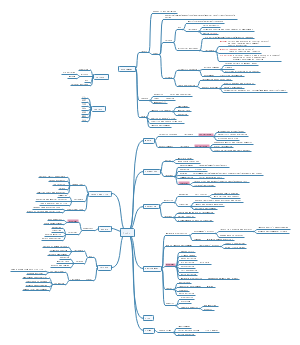

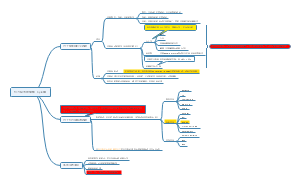
Panic and Its Effects 恐怖症及其对各方面的影响
课文
One afternoon while she was preparing dinner in her kitchen, Anne Peters, a 32-year-old American housewife, suddenly had severe pains in her chest accompanied by shortness of breath. Frightened by the thought that she was having a heart attack, Anne screamed for help. Her husband immediately rushed Anne to a nearby hospital where her pains were diagnosed as having been caused by panic, and not a heart attack.
一位 32 刚的美国家庭妇女安妮 o 彼得斯,一有天下午正在厨房里做晚餐,突然她胸部剧痛,并发着呼吸短促。安妮感到恐怖,因为她想到这可能是心脏病发作了,于是她尖叫着喊救命。安妮的丈夫立即把她送到附近一家医院。在这家医院,她的胸痛被诊断是由恐怖症引起的,而不是心脏病发作。
More and more Americans nowadays are having panic attacks like the one experienced by Anne Peters. Benjamin Crocker, a psychologist at the University of Southern California, reveal that as many as ten million adult Americans have already experienced or will experience at least one panic attack in their lifetime. Moreover, studies conducted by the National Institute of Mental Health in the United States disclose that approximately 1.2 million adult individuals are currently suffering fromsevere and recurrent panic attacks.
现在不像以前了,有越来越多的美国人得了安妮 o 彼得斯所经历的这种恐怖症。据一位南加州大学的心理学家本杰明 o 克拉克披露的消息说,有多达一千万的美国成年人在一生中最低限度有过一次或将来准会有一次恐怖症发作的经历。此外,美国国立心理健康研究院所进行的反复调查研究的结果披露的资料说明,有近一百二十万美国成年人现在患有严重的反复发作的恐怖症。
These attacks may last for only a few minutes; some, however, continue for several hours. The symptoms of panic attacks bear such remarkable similarity to those of heart attacks that many victims believe that they are indeed having a heart attack.
这些恐怖症发作起来,有的只持续两三分钟,可是,也有的能持续好几个小时。这些恐怖症发作的种种症状与心脏病发作的那些症状有着十分明显的相似之处,以致有很多患者都认为他们确实是、真的是心脏病发作了。
Panic attack victims show the following symptoms: they often become easily frightened or feel uneasy in situations where people normally would not be afraid; they suffer shortness of breath,experience chest pains, a quick heartbeat, sudden fits of trembling, a feeling that persons and things around them are not real; and most of all, a fear of dying or going crazy, A person seized by a panic attack may show all or as few as four of these symptoms. There has been a lot of explanations as to the causes of panic attacks. Many claim that psychological stress could be a logical cause, but as yet, no evidence has been found to support this theory. However, studies show that more women than men experience panic attacks and people who drink a lot as well as those who use drugs are more likely to suffer attacks.
恐怖症的患者都会表现出下列症状:一、他们很容易受到惊吓,甚至在正常情况下,一般人都不会感到害怕的场合下,他们都会感到神经紧张不安;二、他们呼吸短促,胸部疼痛,心跳加快,阵阵发抖;(这里应为":"号-译者注)三、他们觉得周围所有的人和种种情况都不是真实的;四、最为严重的是,有的害怕自己快要死了或快要发疯了。一个恐怖症发作了的人会表现出这一切症状或者说至少会表现出上述四种症状(一、二、三、四为本文译者所加)。关于恐怖症发作的致病原因有很多种解释。很多人主张说心理上的紧张压力从逻辑上来说应该是致病的原因,不过到现在为止还根本没有发现有任何证据能支持这一理论。不过,多方面调查研究显示女人比男人恐怖症发作的经历多,嗜酒成癖的人和吸毒的人更容易犯恐怖症发作的病。
It is reported that there are at least three signs that indicate a per-son is suffering from a panic attack rather than a heart attack. The first is age. People between the ages of 20 and 30 are more often victims of panic attacks. The second is sex. More women suffer from recurrent panic attacks than men. The third is the multiplicity of symptoms. A panic attack victim usually suffers at least four of the previously mentioned symptoms, while a heart attack victim often experiences only pain and shortness of breath.
据报导至少有三种迹象可以表明某人得的是恐怖症而不是心脏病。第一是年龄,20 到 30 之间的人更容易患恐怖症。第二是性别,女性比男性更容易患恐怖症。第三是症状的多样性。一位恐怖症患者通常至少会有本文先前提到的上述四种症状,而心脏病发作时患者通常只有疼痛和呼吸短促。
It is generally agreed that a panic attack does not directly endanger a person's life. All the same, it can unnecessarily disrupt a person's life by making him or her so afraid of having a panic attack in a public place that he or she may refuse to leave home and may eventually become isolated from the rest of society. Dr. Crocker's advice to any person who thinks he is suffering from a panic attack is to consult a doctor for a medical examination to rule out the possibilities of physical illness first. Once it has been confirmed that he or she is, in fact, suffering from a panic attack, the victim should seek psychological and medical help.
一般人都一致认为恐怖症发作时不会直接危及到一个人的生命。尽管如此,恐怖症会不必要地扰乱了一个人的生活秩序,会使一个为因为非常害怕恐怖症发作而不敢到公共场所去,结果这个患者就不敢离开家一步,终于导致与世隔绝。克拉克医生的嘱咐是,凡认为自己患有恐怖症的人都要请医生做体格检查以便首先排除有器质性病变的可能。一旦患者被确认为事实上得的是恐怖症,那么患者就应寻求心理治疗,配合药物治疗。
New words
恐慌
panic
[ˈpænɪk]
n. 恐慌; 恐慌局面;
I got into a panic when I found myself left alone.
We didn't want to start a panic on the stock exchange.
(我们不想引起证券交易恐慌。)
I feel panic when I found myself left alone.
v. 使惊慌失措;
The crowd panicked at the ringing of the siren.
(听到警报器响,人群惊慌失措。)
siren
[ˈsaɪrən]
n. 汽笛; 妖冶而危险的女人; 危险的诱惑; 塞壬(古希腊传说中半人半鸟的女海妖,惯以美妙的歌声引诱水手,使他们的船只或触礁或驶入危险水域);
The gunshot panicked the horse.
Don't panic, Sit still keep calm.
(不要惊慌,安静地坐着保持冷静。)
The little boy panicked when thinking about the punishment he might get from his master.
(想到主人可能会给他的惩罚,那个小男孩惊恐不安。)
punishment
[ˈpʌnɪʃmənt]
n. 惩罚; 虐待;
(请注意,当 panic 用做动词时,其过去式是 panicked,进行式是 panicking。)
来自Pan,潘神,牧羊神,-ic,形容词后缀。因传说中潘神样貌无比丑陋或因潘神可以发出一种无比恐怖的声音而引申词义恐慌,吓人。
panic-stricken
[ˈpænɪkˌstrɪkən]
adj. 受恐慌的,惊慌失措的; 恐慌万状; 惊骇; 怔忪;
The panic-stricken mother is looking for her child.
(那位惊恐万状的母亲在寻找她的孩子。)
strike
[straɪk]
v. 碰撞; 打; 突击; 侵袭; 给人…印象; 罢工;
n. 罢工; 袭击;
The panic-stricken crowd rushed to the emergency exit.
(惊恐万状的人群朝紧急出处口跑去。)
emergency
[iˈmɜːdʒənsi]
n. 紧急事件;
adj. 紧急情况下的; 应急的;
frighten
[ˈfraɪtn]
v. 使惊恐; 害怕;
fright
[fraɪt]
n. 恐怖; 惊吓; 可怕的东西,难看的人;
来自PIE*perg, 恐惧,害怕。与fear没有辞源上的联系。
动词"惊吓,惊恐"
alarm 着重指某人意识到危险而突然产生的惊恐。
frighten 普通用词,使用广泛,指产生突然、短暂的惊慌、恐怖感。
fright源自古英语,表示一般意义上的「怕」。加上-en词尾变成动词frighten的意思就是「把人抛入害怕的状态中」,也就是用你惧怕的东西来吓唬你。所以frightened就是指被自己惧怕的东西给吓到了,是"有原因的"害怕,你知道自己怕的是什么。
startle 强调突然使人惊骇或震惊。
terrify 语气最强,指惊骇得六神无主,魂飞魄散。
scare 指非正式文体中可与frighten换用,但语气较重,侧重人受惊吓后立即停下正在干的事或跑掉。
intimidate 指恐吓某人,迫使其做某事。
名词"恐惧,惧怕,惊恐"
alarm 强调突然意识到有危险而产生的恐惧心理。
fear 普通用词,侧重指面临危险或灾祸时内心所引起的恐惧心情。
fright 通常指一阵突然的、令人震惊的短暂恐惧,有时含夸张意味。
horror 侧重指因看到令人讨厌或危险的东西或情景而引起的厌恶情绪、极度恐惧心情或战栗的动作。
panic 常指因突如其来的外界威胁使人群出现惊慌、恐惧或混乱。
panic一词强调的是恐惧“来得突然、没有理由、没有根据”,因为不明白自己恐惧的究竟是什么,所以就不知道该怎么办才好,要么手足无措,要么盲目地行动。翻译成「恐慌」「慌了手脚」是非常合适的。
terror 指极大的恐惧和惊骇,语气最强。
dread 可与fear换用,着重害怕的心理,但dread常指胆怯和丧失勇气。
严重的
strict
[strɪkt]
adj. 严格的; 严密的;
来自拉丁语 strictus过去分词格于 stringere(拉紧,绑紧,收缩)
词源同 strain,stress,stringent.引申词义严格的,严厉的。
strict表示态度上的严厉的意思
severe表示情况严重、危急的意思
severe
[sɪˈvɪə(r)]
adj. 十分严重的; 极为恶劣的; 严厉的; 苛刻的; 艰难的; 简朴的;
来自拉丁语 severus,严重的,严厉的,困难的
可能异化自拉丁语 serius,重的
severe test 严峻的考验
severe competition 激烈的竞争
severe storm 猛烈的风暴
He felt a severe pain in his left leg.
(他感到左腿一阵剧痛。)
They had a severe shortage of food.
(他们的食品严重短缺。)
He is very severe with his children.
(他对孩子们很严厉。)
He had a severe look on his face.
(他脸上神色严肃。)
A severe competition is waiting for them.
(激烈的竞争在等待着他们。)
competition
[ˌkɒmpəˈtɪʃn]
n. 竞争; 比赛; 竞争者; 竞争产品;
Severe weather conditions hindered the rescue.
(风雨交加的天气妨碍了营救。)
condition
[kənˈdɪʃn]
n. 状况; 环境,处境; 条件,条款; 健康状况; 疾病;
v. 训练; 使习惯于; 使适应; 影响; 保养;
hinder
[ˈhɪndə(r)]
vt.& vi. 阻碍,妨碍; 成为阻碍;
rescue
[ˈreskjuː]
v. 营救,救助;
n. 营救(行动);
serious
[ˈsɪəriəs]
adj. 严重的; 令人担忧的; 重要的; 严肃的; 认真的; 庄重的; 大量的;
自拉丁语 serius,严重的,严肃的,认真的,来自 PIE*swer,重的。
server
[ˈsɜ:və(r)]
n. 服务器 ; 侍者; 上菜用具; 发球者;
serve,服务,-er,表人或物。
serve
[sɜːv]
v. 为…服务/效力; 任职; 可用作; 提供; 接待; 送交; 服刑; 发球; 对…有用; 端上(食物); 足够…吃/用;
n. 发球;
-serv-服务 + -e动词词尾
serv = to serve(服务), to keep(保持)
来源于拉丁语 servire/servus/servare 意为 to serve,to keep 服务 / 奴隶 / 保存。serg- 为 -serv- 的变体,有异形同义词根:-mun- 服务
严肃的
earnest 指严肃,认真,含诚恳和热情意味。
serious 指具有关键、严肃或严重意义的事情。
grave 侧重严肃和尊严,需要认真思考,含令人担忧意味。
severe 指面孔的严肃,法律的严厉,伤病的严重。着重严厉性,无丝毫温情。
solemn 指人表情或场景气氛严肃,侧重威严名印象深刻。
sober 侧重因控制或抑制自己的感情而表现出的庄重。
同伴
companion
[kəmˈpæniən]
n. 同伴; 陪伴; 陪护; 成对的物品之一; 指南;
companion = com(共同)+panion(面包)→分享面包的人→同伴
panion ←拉丁语panis (面包)
pan = bread (面包)
pantry
[ˈpæntri]
n. 餐具室,食品储存室; 〈美俚〉胃;
来自拉丁语panis,面包,词源同pannier,company.即放面包的柜子,后引申词义食品贮藏柜。
appanage
['æpənɪdʒ]
n. (王,候或家臣的)封地,封禄;
company
[ˈkʌmpəni]
n. 公司; 商号; 剧团; 连队; 陪伴; 宾客; 在一起的一群人;
company = companion
罗马军队中,每十名士兵组成一个小组,在扎营时分享一顶帐篷,吃饭时分享面包。这些分享面包的组员就是companion。
accompany
[əˈkʌmpəni]
v. 陪同,陪伴; 伴随; 为…伴奏;
ac(=ad,去)+ company(陪伴)→陪伴
She asked me to accompany her to the supermarket.
(她让我陪她去超市。)
He was accompanied to the party by a friend.
(他由朋友陪同去参加聚会。)
She came out of the house accompanied by her husband.
(她在丈夫的陪同下走出了那座房屋。)
A high fever often accompanies a mild infection.
(轻微的感染常伴随发高烧。)
mild
[maɪld]
adj. 温柔的; 温暖的; 轻微的; (味道)不浓的;
n. 淡味麦芽啤酒;
accompaniment
[əˈkʌmpənimənt]
n. 伴奏; 伴随物;
accompanist
[əˈkʌmpənɪst]
n. 伴奏者;
短的
short
[ʃɔːt]
adj. 短的,短暂的; 矮的; 短缺的; 短期的;
The bus stop is a short walk from our school.
(汽车站离我们学校不远,走一会儿就到。)
His answer was short and to the point.
adv. 突然; 唐突地; 简短地; 横贯地;
n. 短裤; 短路; 缺乏;
He has his hair cut short.
(他剪短了头发。)
Water is short in this area.
(这个地区缺水。)
We are short of hands, will you come to help us?
(我们缺少人手,你能来帮我们吗?)
They were running short of food.
(他们的食品快吃完了。)
来自古英语 scort,短的,来自 Proto-Germanic*skurta,切短的,来自 PIE*sker,切,分开,词源 同 shear,share.引申诸相关词义。
shortage
[ˈʃɔːtɪdʒ]
n. 不足,缺少,短缺;
shortage of sth
Food shortage often occursin time of war.
shorten
[ˈʃɔːtn]
v. (使)变短,缩短;
shortly
[ˈʃɔːtli]
adv. 立刻,马上; 简单地,扼要地; 唐突地,简慢地; 在即;
shortness
[ʃɔ:tnəs]
n. 短小; 简略; 不足; 没礼貌;
people are perfectly aware of the shortness of days in winter.
The shortness of the trip relieved his anxiety.
(行程的短暂减轻了他的焦虑。)
relieved
[rɪˈliːvd]
adj. 放心的; 宽慰的;
v. 解除(relieve的过去分词); 减轻; 使得到解脱; 使宽慰;
anxiety
[æŋˈzaɪəti]
n. 忧虑,焦虑,担心; 渴望;
Shortness of breath is one of the symptoms of a heart attack.
(气急是心脏病的症状之一。)
shear
[ʃɪə(r)]
vt. 剪羊毛; 切断; 剪切; 剥夺;
vi. 剪切; 修剪; 穿越; [力]切变;
share
[ʃeə(r)]
v. 共有,合用; 分享; 分担; 分摊; 同意; 有共同之处; 向…诉说;
n. (应得或应承担的)一份; 股份,股票;
附近
near
[nɪə(r)]
prep. 靠近,在…附近; 接近,临近; 濒临,快要; 近似于;
adj. 不远的; 不久以后; 差不多的; 近亲的; 旗鼓相当的;
adv. 在附近; 不久以后; 几乎;
v. 接近,靠近,临近;
来自古英语near,更近的,来自neah,现拼作nigh,接近,-ar,比较级后缀。
nearby
[ˌnɪəˈbaɪ]
adj. 附近的;
adv. 在附近;
He was sent to the nearby hospital by his fellow workers.
(他被同事送进了附近的医院。)
She threw the key into the nearby bushes.
(她把钥匙扔进了附近的灌木丛。)
bush
[bʊʃ]
n. 灌木; 灌木状的东西(尤指毛发); 荒野地带;
There is a supermarket nearby.
(附近有一家超市。)
The car stopped nearby.
(汽车在附近停下。)
诊断
diagnose
[ˈdaɪəɡnəʊz]
v. 诊断; 判断;
逆生法:diagnosis
dia-, 穿过,整个的。-gn, 知道,词源同know, cognizance. 用于医学名词。
dia- 通过,横过;分离,分开;二,双
来源于拉丁语前缀dia-。
cogn, gno(gn, n), cognis, gnos = to know (知道)
gno来自拉丁语的gno 意为 to know 。其变形为gn,n。同义词根来自拉丁语的not,sci。
cogn 表示“知道”
①来源于拉丁语 cognoscere 知道,由该词根构成的单词,大都是将它简单地加上前后缀而形成的
cognition 认识、cognize 知道 / 认识;-gno(r)- / -cognis- 为 -cogn- 的变体
②来源基础词ignorant 无知的,为它的变体,含义为它的引申义,分解为:i- 不 / 否 + -gnor- 知道 + -ant(a.) 表示“…的”,形容什么都不知道的,即无知的 / 愚昧的 / 不知道的gno(r)- / -cognis- 为 -cogn-的变体,
异形同义词根:-sci- 知道。
The doctor diagnosed the illness as flu.
(医生诊断这病为流行性感冒。)
The expert is diagnosing the pupil's reading difficulties.
(专家正在找寻这个学生阅读困难的原因。)
It is necessary to diagnose the cause of the economic and political decline.
(有必要对经济和政治衰退的原因进行分析。)
decline
[dɪˈklaɪn]
v. 减少; 衰落; 下降; 衰退; 婉拒; (单词)变格;
n. 下降,减少; 衰落;
diagnosis
[ˌdaɪəɡˈnəʊsɪs]
n. 诊断; 判断;
He is sure his diagnosis will be confirmed.
(他肯定自己的诊断会得以证实。)
The boy's fever led to a diagnosis of pneumonia.
(那男孩的发烧被诊断为肺炎所致。)
pneumonia
[njuːˈməʊniə]
n. [医]肺炎; 急性肺炎;
pneumon-,肺,-ia,炎症。
diagnostic
[ˌdaɪəgˈnɒstɪk]
adj. 诊断的,判断的; 特征的;
n. 诊断法,诊断程式; 诊断结论;
diagram
[ˈdaɪəɡræm]
n. 图表,示意图;
v. 用图表表示;
dia-, 穿过,整个的。-gram, 写,记录,词源同telegram.用来指图表。
dialogue
[ˈdaɪəlɒɡ]
n. 对话; 对白;
dia-, 穿过,相互。-log, 说,词源同lecture, travelogue. 即人与人之间的对话,交流。
再者
moreover
[mɔːrˈəʊvə(r)]
adv. 再者; 此外; 而且; 同时;
more,更加,over,在上。
I don't want to go swimming and, moreover, it is not warm enough.
(我不想去游泳,再说天气也不够暖和。)
The proposal was not well thought out; moreover, it was impractical.
(这个建议本身就考虑得不周全,再说也不实际。)
引导
duct
[dʌkt]
n. 管,导管; (电线,电缆等的)管道;
来自PIE*deuk, 引导,词源同deduce, conduct.
duke
[dju:k]
n. 公爵; 君主; <俚>(pl.)拳头; [植]公爵樱桃;
conduct
[kənˈdʌkt]
vi. 导电;带领
vt. 管理;引导;表现
They are conducting a survey of the region.
(他们正对那一地区进行调查。)
survey
[ˈsɜːveɪ,səˈveɪ]
n. 调查,勘测; 概述;
v. 审察,测量; 进行民意测验;
region
[ˈriːdʒən]
n. 地区,行政区域; (首都以外的)各地区; 身体部位;
He is conducting the Boston Symphony Orchestra.
(他正在指挥波士顿交响乐队。)
symphony
[ˈsɪmfəni]
n. 交响乐,交响曲; 序曲,插曲; 〈古〉和谐,和谐的东西;
orchestra
[ˈɔːkɪstrə]
n. 管弦乐队; 管弦乐队的全部乐器;
Copper conducts electricity.
(铜导电。)
copper
[ˈkɒpə(r)]
n. 铜(币); 警察;
adj. 铜色的;
n. 进行;行为;实施
His conduct at the dinner party was disgraceful.
(他在晚宴上的举止很丢人。)
disgraceful
[dɪsˈgreɪsfl]
adj. 可耻的,丢脸的; 不光彩的,不名誉的; 丑; 臭;
The government's conduct of the affair was satisfactory.
(政府对这件事的处理是令人满意的。)
con-共同,一起 + -duct-引导
conduce
[kən'dju:s]
vi. 有益,有贡献于,导致;
con-, 强调。-duc, 引导,词源同duct, duke.
动词"陪同,伴随"
accompany 既可指人也可指物。用于人时,侧重关系紧密或同时发生。
conduct 无论用于人或物均指引导带领。
attend 侧重主从关系,即下级对上级,学生对老师等,或表恭、服侍。
escort 通常指用车或人在陆上伴随、护送,其目的是保护或出于礼节。
动词"引导"
direct 指为某人指方向,但自己不一定亲自引路,也可表示指导一群人的事或活动。
conduct 正式用词,指引导某人去某处,强调亲自带领;也强调监督管理一群有共同目的或目标的人。
guide 普通用词,可与conduct换用,指引导者与被引导者双方彼此合作,共同努力的关系。
lead 指走在前面给某人引路或带路人共同去达到某一目标。用于抽象意义时,指在某项活动或运动中起主导和组织作用。
pilot 从原义"为飞机、轮船导航"借喻为指亲自带领某人去某处。
动词"做,执行,实施,完成"
perform 指完成困难较大、较复杂的任务。较正式用词。
conduct perform一样比较正式,二者意义相近,但conduct含指导、领导或监督等意味。
do 最普通常用词,指完成某项具体工作、任务,也指完成某种行为或动作。
execute 指需专门技术熟练技巧去完成某种复杂的任务或表演等,也指用行动把计划或打算付诸实施或执行某项命令。
fulfil 指履行和实现所许诺的、所期望或要求的事情,含最终完成的意味。
揭露
disclose
[dɪsˈkləʊz]
v. 揭露,泄露; 使公开;
The surgeon took off his cap and surgical mask, disclosing a young and smart face.
(外科医生除去手术帽和口罩,露出了一张年轻帅气的脸。)
mask
[mɑːsk]
n. 面具; 口罩; 伪装; 面膜;
v. 掩饰; 遮住;
来自拉丁语masca,面具,鬼怪,幽灵。词源不确定,可能来自PIE*mask,黑色的,涂黑,并由该词引申词义巫师,术士等,见mascot.或来自mesh,网,网状物,并引申词义面纱,后来用于指面具,面罩。
Make sure that he won't disclose the information to anybody.
(确保他不会把消息泄露给任何人。)
He reluctantly disclosed his views about this issue.
(他很不情愿地透露了自己对这一议题的看法。)
reveal
[rɪˈviːl]
v. 揭示; 展示;
来自拉丁语 revelare,揭露,揭示,来自 re-,相反,velare,遮盖,来自 velum,面纱,词源同 veil,velar.
辨析
disclose 侧重指揭露或泄露鲜为人知或保密的事。
expose 多指揭露丑闻、坏人坏事或各种阴谋。也可指某物暴露在外。
uncover 主要指移去遮盖物,让东西显露出来。也可指揭露阴谋、秘密等。
reveal 多指揭露一直隐藏或隐秘的东西,或启示超乎常人领导能力的真理。
症状
pet (pit, peat) = to rush, to seek, to strive
来自拉丁语的pet 意为to rush,to seek,to strive,它的变形为pit,peat。
syn-, sy-, sym-, syl-, sys-=with, together with; also by extension: united; same, similar; at the same time
(sy-用于s, z之前;syl-用于l之前;sym-用于b, p, m之前;syn-用于其它) 来源于拉丁语syn-,希腊语syn或sun-(共同)。
symptom
[ˈsɪmptəm]
n. 症状; 征兆;
来自希腊语 symptoma, 疾病, 发生, 来自 sym-, 一起, 一致,-pt, 追逐, 降落, 词源同 compete,petition,-oma,名词后缀。引申词义症状,征兆等。
Fever is a symptom of illness.
(发烧是患病的一种症状。)
Most infections are contagious before any symptoms are noticed.
(许多传染病在发现症状之前都已具有传染性。)
contagious
[kənˈteɪdʒəs]
adj. (病)接触传染的; (态度)感染性的;
notice
[ˈnəʊtɪs]
v. 意识到; 注意;
n. 注意; 通知; 预告; 启事; 短评;
The common symptom in these patients was poor appetite.
(这些病人的共同症状是胃口不好。)
compete
[kəmˈpiːt]
v. 竞争; 参加比赛;
com-, 强调。-pet, 追逐,渴望,词源同feather, petition. 追逐同一个目标的,竞争。
接近
词根演变
pro-
① 表示“向前,在前”
② 表示“很多…”
③ 表示“赞同,亲…”
prop-, proach-, proximo-, proxim-=nearest, near; close, closest
proxim, proach = near 接近
拉丁语副词prope(近的)的比较级是propior(-or) , 最高级是proximus(-us), -a, -um。
proximate
[ˈprɒksɪmət]
adj. (时间、顺序等方面)近邻的,最接近的;
来自拉丁语proximus,最近的,来自prope的最高级,来自prope,近的,来自pro的扩大形式,词源同propinquity,approximate.-im,最高级后缀,词源同maximum,ultimate.
prox, prop = near
词根来源于拉丁语的prox意为near。prop也属于这一系统。
proximal
[ˈprɒksɪməl]
adj. 最接近的;
approximately
[əˈprɒksɪmətli]
adv. 大约; 近似;
approximate
[əˈprɒksɪmət,əˈprɒksɪmeɪt]
adj. 大约的; 近似的; 粗略的;
v. 近似于; 近似计算;
ap(=ad,去)+ proxim(最接近的)+ate(动词后缀)→使最接近→近似
proxim←拉丁语proximus(最接近的)
approximate to sth
approximation
[əˌprɒksɪˈmeɪʃn]
n. 近似(值); 类似事物;
重现
cur, curr,curs ( cor, cour, cours, coars) = to run“跑, 发生”
来源于拉丁语动词curro, currere, curri, cursus(跑,流)。
current
[ˈkʌrənt]
adj. 当前的; 流通的;
n. (河、湖或海的)水流; 电流; 趋向;
recur
[rɪˈkɜː(r)]
vi. 再发生; 复发; 重现; 回想;
re-再 + -curr-流,跑
If this cheating recurs, you will be expelled from school.
(如果这样的作弊行为再发生,你将被开除出校。)
cheat
[tʃiːt]
v. 作弊; 欺骗; 感情不忠;
n. 作弊者; 欺骗手段; 作弊软件;
来自古法语escheat, 来自拉丁词*excadere,前缀ex-,向外,词根cad, 掉落,词源同case, accident. 原为一特殊官职,其主要职责为清收无主领地或财产,或没有继承人的财物,因担任这一职务的官员经常做一些中饱私囊,侵吞国有财产的事情,最终固定为现在的词义
cheating
[tʃi:tɪŋ]
adj. 欺骗的;
v. 欺骗; 作弊(cheat的现在分词);
n. 舞弊,作弊; 不忠;
expel
[ɪkˈspel]
v. 驱逐; 开除; 排出;
pel, puls(peal) = to drive
词根pel,puls来源于拉丁语 pellere(=to drive),过去分词为pulsus
前者是此词的不定式词干,后者是此词的动名词词干。
前者加上前缀构成动词,后者则构成相应的名词和形容词。
它们的变形为peal。
同义词根
拉丁语的ig/ag/act 和flig
拉丁语的意为 to lead 的duc/duct(du),men(mean)
希腊语的 agog 也有近似的含义。
Let's recur to what you mentioned just now.
(让我们回到你刚才提到的话题上。)
recurrent
[rɪˈkʌrənt]
adj. 复发的,复现的; 周期性的,经常发生的; 回归的; 循环的;
We should pay attention to this recurrent spelling mistake.
(我们应该注意这个经常发生的拼写错误。)
The recurrent dream really disturbed him.
(那个一再出现的梦的确令他不安。)
recurrence
[rɪˈkʌrəns]
n. 复回,重现; 反复,隐现; [数]循环; 重新提起;
re-是一个前缀,意思是 again(再次)
recall(回忆)
renew(更新)
restore(恢复)
revisit(重游)。
cur 是个词根,意思是 run(流,跑)
excursion(远足)
occur(发生)
concurrent(同时的,一致的)
-ent 是一个形容词后缀
ardent(热情的)
obedient(服从的)
prudent(谨慎的)
His illness is likely to recur.
(他的病可能复发。)
忍受
bear
[beə(r)]
n. 熊; 棘手的事; (在证券市场等)看跌的人;
v. 忍受; 承受; 承担责任; 心怀(感情); 显示,带有,拥有; 携带; 举止; 生育; 结果; 转向; 传送;
1.承受,来自PIE *bher(1), 承受,带来,生育,同bring.
来源于日耳曼语的ber-,具有"携带"和"生育"两个意义("生育"是"携带"一个孩子的结果);
"携带",产生的英语词汇有barrow, bear, berth, bier, burden
"生育",产生的英语词汇有birth, bairn。
2.熊,来自PIE *bher(2), 明亮的,棕色的。指棕熊。
与brown n.棕色,以及beaver ['biːvə] n.海狸;海狸皮毛有关
It would be unjust for him to bear full responsibility for this accident.
(让他为这起事故负全部责任是不公正的。)
Some plants only bear fruit once every 25 years.
(有些植物每 25 年才结一次果。)
born
[bɔːn]
v. 出生; 天生; 形成,产生(仅用于被动语态);
adj. 天生的;
It was painful of course but I bore it.
(这当然很痛苦,但我忍受住了。)
borne
[bɔːn]
v. 忍受( bear的过去分词 ); 背负; 携带; 支撑;
She had borne him a daughter.
(她为他生了个女儿。)
关于born和borne:做"生育"解时,在主动语态中,只能用borne;在被动语态中,除由by引导行为主体时要用borne外,其他情况下用born。
动词均含"忍受"
stand 口语用词,常可与bear换用,但前者侧重指经受得起,后者强调容忍,是普通用语。主要指对饥寒、疼痛、不幸、损失、困难等的忍受和承受;强调自我约制、不屈不挠;
I can't bear / stand black tea.
(我喝不惯红茶。)
endure 书面用词,指长时间忍受痛苦和不幸,着重体力或意志力的坚强不屈服。主要指对重大灾祸和困难的长时间地忍受;则强调默默地、无怨言地忍受,但不屈服;
She had endured great pain for several years.
(她已忍受了几年极大的痛苦。)
tolerate 指以自我克制的态度,对待令人反感或厌恶的东西,含默认宽容意味。主要指容忍和自己的愿望相反的事;强调宽恕和耐力
The school cannot tolerate cheating on exams.
(学校不容许作弊。)
suffer 通常指非自愿或被迫忍受各种痛苦、困难或不快,强调受到苦难。
abide 指忍受长期的痛苦或折磨,强调耐心和屈从。多用于否定句和疑问句中。
withstand 指因具有一定实力、权力或能力而能忍受某种情况。
put up with 口语用词,指某些不愉快的或有轻微伤害的事情。
I cannot put up with your behavior any longer.
(我再也不能忍受你的行为了。)
bear 多用于强调忍受的能力,不太强调其态度;
The pain was almost more than he could bear.
(疼痛几乎使他不能忍受。)
受害者
victim
[ˈvɪktɪm]
n. 受害者,遇难者; 祭品,牺牲品;
自拉丁语victima,祭品,献祭的人或动物,来自PIE*weik,选择,选出祭品,牺牲,词源同Wicca,witch。由祭品引申词义受害者。
在古代社会,很多地方都有“血祭”的宗教习俗,即将活人或动物当场杀死,作为祭品奉献给神灵。被杀死的活人通常是战争中捕获的俘虏。在拉丁语中,这种被作为祭品杀死的人或动物被称为victima。
-vict-征服,战胜 + im
vict, vinc = to conquer(征服)
来源于拉丁文vincere, 意为 to conquer,to show。公元前47年 恺撒大帝Caesar 率军进入小亚细亚,只用了5天的时间,就平定了庞培部下的叛乱。胜利后的Caesar 将所有的喜悦和骄傲都浓缩在三个拉丁词里:veni,vedi,vici 意为I came,I saw ,I conqered,到,见,胜。这就是历史上著名的“三V文书”。
He was a victim of the second world war.
(他是第二次世界大战的受害者。)
They are trying to give some help to those flood victims.
(他们正试图给水灾难民提供帮助。)
After about two weeks,the victim's hair started to fall out.
(大约两周后,受害人开始掉头发。)
容易
ease
[iːz]
n. 容易; 舒适; 无忧无虑;
v. 减轻; 缓和; (使)小心缓缓地移动; 降低; (使)贬值;
unease
[ʌnˈi:z]
n. 不安; 忧虑,担心;
Beneath his unease I sensed a nice nature.
(在他拘谨的外表下,我感到他有一颗善良的心。)
beneath
[bɪˈniːθ]
prep. 在…下面; 在…背后; 比不上;
They worried a lot about the social unease.
(他们对社会的不安定感到焦虑。)
easy
[ˈiːzi]
adj. 容易的; 不拘束的; 舒适的; 悦耳的,好看的; 易受攻击的;
adv. 小心; 轻点;
All things are difficult before they are easy.
easily
[ˈiːzəli]
adv. 容易地; 很可能; 频繁地;
He used to be very strong and could swim across the river easily.
uneasy
[ʌnˈiːzi]
adj. 心神不安的; 不稳定的; 不舒服的;
He works so hard that his mother feels uneasy about his health.
He is uneasy about his future.
(他为自己的前途担忧。)
She looked uneasy but promised to follow his advice.
(她看上去很不安,但答应听他的劝告。)
She had an uneasy feeling that she was unlikely to get the job.
(她有一种不安的感觉,觉得自己不可能得到那份工作。)
形容词"焦躁的,紧张的“
nervous 普通用词,常指内心的紧张心态或生来就容易激动的性格。
restless 多指经常的、毫无目的行动或活动,也常指思想上的焦躁不安。
impatient 指在心情或情上不能克制某种刺激或不适,或缺乏某种容忍与谅解而表现出焦急不安。
uneasy 通常指因焦虑、疑惑或危险而产生的不安。
worry
[ˈwʌri]
v. (使)担心,发愁; 烦扰; 攻击;
n. 担心,发愁; 烦心事;
worried
[ˈwʌrid]
adj. 担心的; 焦虑的; 发愁的;
惊叫
claim
[kleɪm]
v. 声称; 索取; 赢得; 需要; 夺去(生命);
n. 声称,主张; 权利; 索赔;
claim, clam = to cry, to shout (叫喊)为了自己的利益而大声疾呼”
源于拉丁语动词clamo, -are, -avi, -atus(呼喊,声明)可以追溯到原始印欧语根 *kele-
词根claim是 clamare的不定式词干的重读形式在英语中常构成动词;
词根clam是 clamare的动名词词干,在英语中只出现在名词和形容词中。
One organization has claimed responsibility for the bombing.
(已有一个组织声称这次爆炸是他们干的。)
bombing
[ˈbɒmɪŋ]
n. 轰炸,投弹;
v. 轰炸,投弹于( bomb的现在分词 ); 失败,不及格; 快速前进;
She claimed to have told the truth.
(她声称她说的是实话。)
He claimed that he had nothing to do with them.
(他声称自己与他们毫无关系。)
No one came to claim on this box.
(没人来认领这个盒子。)
An old man claimed the watch.
(一位老人认领了那块手表。)
The matter claims our attention.
(这事需要我们予以注意。)
They have put forward a claim for compensation.
(他们已经提出索赔。)
Having made such a bold claim,she finds it hard to admit she was wrong.
(作出了如此大胆的断言,她发现要承认自己错了很难。)
bold
[bəʊld]
adj. 敢于冒险的; 鲁莽的; 轮廓(或色彩)突出的;
n. 黑体字;
admit
[ədˈmɪt]
v. 承认; 招供; 准许…进入; 接纳; 收治;
His claim to the property was denied.
(他对财产的所有权被否决了。)
denied
[dɪ'naɪəd]
adj. 拒签;
v. 拒绝( deny的过去式和过去分词 ); 拒绝承认; 拒绝…占有; 否认知情;
exclaim
[ɪkˈskleɪm]
v. 惊叫,呼喊
exclamation
[ˌekskləˈmeɪʃn]
n. 惊叫; 感叹(词)
exclamation
[ˌekskləˈmeɪʃənmɑ:k]
感叹号(即:!)
call
[kɔːl]
v. 称呼; 把…说成; 喊,叫; 打电话; 召唤,召集; 拜访,停留; 取消(比赛等);
n. 打电话; 叫声; 呼吁,请求; 需求; 吸引力; 呼唤; 决定,裁决; 短暂拜访;
-clam-叫喊 → call
a和l换位,l鼻音化m
clear
[klɪə(r)]
adj. 易懂的,清楚的; 显然的; 透明的; 明亮的; 畅通的; 晴朗的; 光洁的; 无愧的; 远离的;
v. 理清; 清除; (雾霭)退去; 跳过; 兑现,结算; 批准; 证明无罪;
adv. 一直,径直; 不靠近;
-clar- → clear原始含义是“清晰、容易辨别声音”→“清楚,明白”
来源于拉丁语形容词clar.us, -a, -um(光亮的,明显的)
declare
[dɪˈkleə(r)]
v. 宣称; 表明; 断言; 公布; 申报; (在击球员还未全部出局时)宣布结束赛局;
辨析
cry 一般指因恐惧、痛苦、惊奇等而喊叫。
shout 指有意识地高声喊叫,常用于提出警告、发命令或唤起注意等。
exclaim 多指因高兴、愤怒、痛苦、惊讶等突发感情而高声喊叫。
roar 指发出大而深沉的声音、吼叫或咆哮。
scream 指因恐具、快乐或痛苦而发出的尖叫声。
scream
[skriːm]
v. 尖叫,惊呼; 发出刺耳声音;
n. 尖叫声; 可笑的人(或物);
shriek 指因惊恐、痛苦等或其它感情而发出比scream更为尖锐、刺耳的叫声。
yell 多指求援、鼓励时的呼叫。也可指因外界因素刺激而发出尖厉声音。
call 指大声说话或喊叫,以引起某人的注意。
多重
multiple
[ˈmʌltɪpl]
adj. 多重的; 多个的; 复杂的; 多功能的;
n. <数>倍数; [电工学]并联; 连锁商店; 下有多个分社的旅行社;
multi-,许多,多个,-ple,倍数,词源同imply,comply.
-mult-, -multi- 多(重)的
来源于拉丁语中multus(许多的)及其派生词multiplicare, multiplus, multitudo等。
plic, ply, pli, ple, plex, plo = to flod(倍, 重, 折叠)
来源于拉丁语的plicare(=to fold),
plex来源于拉丁语 plexus (=to fold)折叠,其中,词根 -plic- 也可以理解为是根据元 / 辅音的交替规律由 -plex- 变来的,属于元 / 辅音混合交替规律
complex 复杂、perplex 使纠缠、explicate 展开、implicate 使纠缠;
值得注意的是:意为to fill,to full的词根ple,plet,pli,ply,plen等和这些词根形态相似,很容易混淆,需要注意。
He got a multiple entry visa.
(他签到了多次入境签证。)
entry
[ˈentri]
n. 进入(许可); 入口; 参加; 条目,事项; 参赛作品; 输入;
visa
[ˈviːzə]
n. 签证;
They have made multiple achievements in the past five years.
(在过去的五年中,他们取得了种种成就。)
achievements
[ət'ʃi:vmənts]
n. 成就( achievement的名词复数 ); 成绩; 功绩; 达到;
multiplicity
[ˌmʌltɪˈplɪsəti]
n. 多样性;
We are all amazed at the multiplicity of the nature.
(大自然的多样性令我们大家惊奇。)
amaze
[əˈmeɪz]
v. 使惊奇/惊愕;
They found a multiplicity of errors in the article.
(他们在文章中发现了许多错误。)
How could he cope with a multiplicity of duties.
(他怎能应付这繁多的职责?)
谈及
mention
[ˈmenʃn]
v. 谈及; 提到; 提名;
n. 提及; 提名表扬;
-ment-记忆,智力 + -ion
-memor-, -ment-= mind(心智), to think(想)
来自拉丁文mens,思考,思想,记忆,词源同mind,mania.引申词义想起,提到,提及。
Did you hear your name mentioned?
The concert didn’t get a mention in the newspaper.
危险
danger
[ˈdeɪndʒə(r)]
n. 危险; 可能性; 危险的事物; 风险;
来自法语,来自拉丁语dominus, 统治,主人,词源同domino, domineer. 原指君主的权力,君主的威严,引申义危险。参照汉语成语伴君如伴虎
He has been very ill, but the doctors say that he is now out of danger.
endanger
[ɪnˈdeɪndʒə(r)]
v. 使遭危险; 危及;
A war can endanger millions of lives.
His health is endangered by overwork.
(他的健康因劳累过度而受到损害。)
They claimed that the herbicides would not endanger human life.
(他们声称这些除草剂不会危及人的生命。)
dangerous
[ˈdeɪndʒərəs]
adj. 危险的;
It's dangerous to walk on thin ice on a lake
动词前缀 en-加名词 danger 构成的
encourage(鼓励),enlist(入伍;协助),enrage(激怒),entrust(委托)
必要
necessary
[ˈnesəsəri]
adj. 必要的; 必然的;
n. 必需品;
ne-,无,没有,不能,词源同no,-cess,走,离开,词源同cede,concession.即不能走的,不能离开的,引申词义必不可少的,必需的。
ced, cess(ceed, ceas) = to go 走
来源拉丁动词cedere,意为to go (走)。
ced是不定式词干;
ceed是ced 在英语中的音变形式,它在英语中只有proceed,succeed和exceed三个原生派生词;
cess是动名词词干,用来组成与某些动词相应的名词或形容词。
还有来源于希腊语的bat[bet,bit]和来自盎格鲁-撒克逊语的fare。
同义词根有来源于拉丁语的grad/gress/gred,it,vad/vas,
necessity
[nəˈsesəti]
n. 必要,需要; 必需品; 不可避免的情况;
It's necessary to know the differences between a heart attack and a panic attack.
unnecessary
[ʌnˈnesəsəri]
adj. 不需要的; 没必要的;
You'd better cut out the unnecessary words.
unnecessarily
[ˌʌn'nesəsərəlɪ]
adv. 不必要地,多余地,不需要地;
He didn't care about it at all, so he thought her explanation was unnecessarily detailed.
detailed
[ˈdi:teɪld]
adj. 详细的,细致的;
v. 详述; 派遣(detail的过去分词);
打乱
disrupt
[dɪsˈrʌpt]
v. 扰乱,使中断;
dis-, 分开。-rupt, 断开。
rupt = to break
来自拉丁语的rupt 意为 to break。同义词根有来自拉丁语的fract/frag(fring)。
The war disrupted the economy.
(战争扰乱了经济。)
Traffic was disrupted by the snow storm.
(交通因暴风雪而中断。)
Their misunders tanding disrupted the partnership.
(他们之间的误解使他们散伙。)
disruption
[dɪsˈrʌpʃn]
n. 中断,扰乱,混乱;
The whole factory was in disruption.
(整个工厂一片混乱。)
The incident led to the disruption of the family.
(那件事导致了家庭的破裂。
事件
event
[ɪˈvent]
n. 事件; 活动; 比赛项目;
e-, 向外。-vent, 来,词源同advent, venue. 引申义最终来到的,发生的。
eventual
[ɪˈventʃuəl]
adj. 最后的,最终的;
His mistake led to his eventual dismissal.
(他的错误致使他最终被解雇。)
He is sure about his eventual success.
(他肯定自己最终会成功。)
eventuate
[ɪˈventʃueɪt]
vi. 结果,归结;
eventually
[ɪˈventʃuəli]
adv. 最后,终于;
He eventually realized that he was wrong.
(他终于意识到自己错了。)
They eventually took over the company.
(他们终于接管了那家公司。)
"最后,终于"
at last 多指经主观努力,克服各种困难后才终于达到目的。
at length 强调经历一段长时间后终于完成,侧重在时间部分。
eventually 侧重于动作或行为的结果。
finally 常与at last换用,都可用于对往事的描述,但finally不带感情色彩,指一系列事情的最后结局。
in the end at last同义,但in the end不仅可指"过去"还可表示对"未来"的预计。
lastly 指连续顺序的最后,通常用在列举事情的场合。
证实
firm
[fɜːm]
n. 商号; 公司;
adj. 坚固的; 稳固的; 强有力的; 坚定的; 不会更改的; 忠实的;
v. 培土; 使坚固; 稳步上涨;
来自PIE*dher, 支撑,握住,坚硬,词源同dharma,throne. 后用来指公司,商行。
confirm
[kənˈfɜːm]
v. 证实,确认; 使感觉更强烈; 使确信; 批准; 受坚信礼; 使坚定;
con-, 强调。-firm, 固定。
firm = strong
来自拉丁语的firm 意为strong。同义词根有来自拉丁语的bil,fort/forc,rob,val/vail等。
You need to confirm your reservations 48 hours in advance.
(你需要提前 48 小时确定预订。)
The rumor is confirmed.
(谣传被证实了。)
Her remarks confirmed me in my belief that the young man was innocent.
(她的话使我进一步认定那个年轻男子是清白的。)
The United Nations has confirmed the treaty.
(联合国已批准了这项条约。)
confirmation
[ˌkɒnfəˈmeɪʃn]
n. 证实,确认书; 〈宗〉坚振礼;
confirmative
[kən'fɜ:mətɪv]
adj. 确定的,证实的;
心理
psychology
[saɪˈkɒlədʒi]
n. 心理(学); 思想;
-psych-心理 + -o- + -logy…学
psych(o) = soul, mind 灵魂, 精神, 心理
来源于希腊语 psykhe 心理
源于一则美丽的古罗马传说:凡人少女Psyche和爱神丘比特Cupid相恋,每晚在一座宫殿里相会。Cupid一再嘱咐不要探究他的身份,不要窥看他的容貌。Psyche忍不住好奇,一天夜里在他熟睡时点上蜡烛偷看,方知与她相爱之人竟是众神中最俊美的爱神。她惊喜交加,手不禁一颤,一滴烛油滴落,Cupid顿时惊醒,旋即离去,从此不见。Psyche 悲恸欲绝,悔恨不已,开始四处漂泊,寻找情人。后经历了无数折难之后终于与Cupid重聚,结为夫妇,并成为灵魂、精神之神。
-psycho- 为 -psych- 的变体。
异形同义词根:-ment-/-phren- 精神,分别来源于拉丁语 mentis 和希腊语,前者为它对应的拉丁语词根。
psychology is the study or science of the mind and the way it works.
psychological
[ˌsaɪkəˈlɒdʒɪkl]
adj. 心理的; 精神上的; 心理学的;
She is interested in the psychological development of the child
psychologist
[saɪˈkɒlədʒɪst]
n. 心理学家;
Ten years after his graduation, he became a well-know psychologist.
graduation
[ˌɡrædʒuˈeɪʃn]
n. 毕业(典礼); 刻度;
Intensive reading
…suddenly had severe pains in her chest accompanied by shortness of breath.
pain
[peɪn]
n. 痛苦;刻苦;令人厌烦的人[事物];身体某部分的疼痛[不适];
Father went to great pains to stress the importance of independence.
(父亲煞费苦心地强调独立的重要性。)
No pains, no gains.
(不劳则无获。)
The death of his daughter gave the old man much pain.
(女儿的去世令那位老人极为悲痛。)
pain in …表示“哪个部位的疼痛”
a pain in the abdomen(腹部疼痛) =abdomen pain
a pain in the chest(胸部疼痛) =chest pain
vt&vi. (使)疼痛,(使)痛苦,伤害;
vt. 使…痛苦;使…烦恼;
It pains her to see him thinner from illness.
(看到他因病日渐消瘦,她心里很难过。)
vi. 感到疼痛;引起疼痛;
My left leg is paining.
(我的左腿痛。)
匀语:a pain in the neck“令人讨厌或恼火的人或事”
neck
[nek]
n. 颈,脖子; 衣领; 海峡; [地]岩颈;
vi. 搂着脖子亲吻,相拥互吻; 变狭窄;
vt. 使变细; 与…搂着脖子亲吻;
be accompanied by 意为“由…伴随”
He burst into the room accompanied by his body guards.
(他在保镖的伴随下闯进屋里。)
Pneumonia is often accompanied by fever and cough.
cough
[kɒf]
v. 咳(嗽); 突然发出刺激的声音;
n. 咳嗽(病);
(肺炎常常伴有发烧和咳嗽。)
Frightened by the thought that she was having a heart attack,Anne screamed for help.
她以为自己是心脏病发作,吓得赶紧大叫救命。
Frightened by the thought that she was having a heart attack 是过去分词做原因状语,内含 that 引导的同位语从句,修饰 thought.
Her husband immediately rushed Anne to a nearby hospital where her pains were diagnosed as having been caused by panic, and not a heart attack.
rush
[rʌʃ]
n. 冲进;匆促;急流;灯心草
adj. 急需的
vt. 使冲;突袭;匆忙地做;飞跃
He rushed the tourists round the sights.
(他带着游客们匆匆参观了各处名胜。)
tourist
[ˈtʊərɪst]
n. 旅行者,观光客; 〈美〉冬季到南部做工的流动工人;
-tour-迂回,转 + -ist名词词尾,从事某一工作的人
sight
[saɪt]
v. 看到; 瞄准; 观察;
n. 视力; 景象;
The ambulance rushed him to a hospital.
(救护车火速送他进医院。)
ambulance
[ˈæmbjələns]
n. 救护车;
Let me think about it and don't rush me.
(让我把这件事想一下,别催我。)
vi. 冲;奔;闯;赶紧;涌现
The rain rushed against the house.
(暴雨冲打着屋子。)
The reporters are rushing to the scene.
(记者们正赶往现场。)
scene
[siːn]
n. 地点,现场; 场面; 镜头; 圈子,坛; 景色; 风景画; 争吵;
Blood rushed to his face when the young man offered to buy him a pudding.
(当那位年轻人提出给他买个蛋糕时,血涌上了他的脸。)
pudding
[ˈpʊdɪŋ]
n. (一道)甜食,甜点心; 布丁(通常用面粉经烘烤或蒸煮做成的美味甜食品); 肥胖而迟钝的人; [航]船尾碰垫;
There is no rush.
(不用急急忙忙的。)
She felt a sudden rush of dizziness.
(她感到一阵眩晕。)
dizziness
['dɪzɪnəs]
n. 头昏眼花;
He went to America during the Californian gold rush.
(他在加利福尼亚淘金热时去了美国。)
nearby 可以做形容词用,也可以做副词用,在本句中用作形容词,修饰其后的名词hospital。
diagnose…as… 把…诊断为…
His failure was diagnosed as being caused by carelessness.
(他的失败被判定为由粗心所致。)
The doctor diagnosed her illness as diabetes.
(医生诊断她的病是糖尿病。)
diabetes
[ˌdaɪəˈbiːtiːz]
n. 糖尿病;
因为句子中的 as 是介词,在介词后要用动名词,又由于需用被动语态,所以出现了having been caused by 的形式。
More and more Americans nowadays are having panic attacks like the one experienced by Anne Peters.
本句中的 like 是一个出现频率很高的词,在下列例句中,like 用作介词:
She is like a bird.
(如像鸟儿一样。)
It was not like him to forget her birthday.
(他才不会把她的生日忘记呢。)
I feel like sleeping.
(我想睡觉。)
It looks like a clear day tomorrow.
(明天看来会是晴天。)
He acts like a grown up person.
(他的举止行动像成人。)
experienced by Anne Peters 在句子中做定语,修饰 the one 。
I don't like the one chosen by him.
(我不喜欢他选择的那一个。)
The camera bought by Xiao Li is stolen.
(小李买的那个相机被偷了。)
These attacks may last for only a few minutes; some, however, continue for several hours.
恐慌症发作可能只持续几分钟,而有些要持续几个小时。
last for 持续
The symptoms of panic attacks bear such remarkable similarity to those of heart attacks that many victims believe that they are indeed having a heart attack.
恐慌症的症状与心脏病发作时的症状很相似,以至于许多患者以为他们得了心脏病。
考点:
bear 负担、承担
通常我们用 so…that…. 表示“如此……以致于……” 。本句中的 such ,是因为 so 只能用来修饰形容词和副词,而名词(名词短语)则要用 such 来修饰,
He ran so fast that no one could catch up with him.
(他跑得这样快,没人能赶上他。)
This book is so interesting that he doesn't want to put is down.
(这本书太有意思了,他都不想把书放下。)
It was such a sunny day that he wanted to go out to enjoy the warm sunshine.
(天气如此睛朗,他想出去享受这温暖的阳光。)
在形容词 similar 的后面通常用介词 to,使用名词 similarity 时,其后也用 to。
My problems are similar to yours.
(我的问题与你的类似。)
The two cats are similar to each other in appearance and size.
(这两只猫的模样和大小相仿。)
Liverpool has a certain similarity to Marseilles.
(利物浦和马赛有某种相像。)
句子中的 those 代指 symptoms。
panic attack victims show the following symptoms: they often become easily frightened of feel uneasy in situations where people normally would not be afraid; they suffer shortness of breath,experience chest pains, a quick heartbeat, sudden fits of trembling, a feeling that persons and things around them are not real; and most of all, a fear of dying or going crazy. A person seized by a panic attack may show all or as few as four of these symptoms.
译:恐慌症患者表现出如下症状:他们很容易受惊吓,在通常人们不会感到害怕的地方惊恐不安;呼吸急促,胸口疼痛,心跳加速,一阵阵的战栗,感觉周围的人、事虚无缥缈;最严重的是,有死亡或变疯的恐惧感。被恐慌症侵袭的人可能会表现出全部症状,至少也会有其中的四种。
in situations where 引导定语从句
在这种情况下
a feeling that persons and things around them are not real 中有一个同位语从句修饰 a feeling;
seized by a panic attack 过去分词作定语修饰 a person;
因恐慌症发作
as few as 像…一样少;
seize
[siːz]
vt.
抓住;夺取;理解
The police seized him by the collar.
(警察抓住了他的衣领。)
Seizing the bowl, he ran off through the door.
(他抓起碗冲出门去。)
He seized the chance to study abroad.
(他抓住了那次去国外学习的机会。)
逮捕
He was seized outside the city.
(他在市郊被捕获。)
The escaped prisoner was seized on Sunday.
(逃犯于周日被抓获。)
(常用被动语态)(疾病)侵袭;(情绪)支配
The old man was seized by a stroke.
(那位老人中风了。)
She was seized with jealousy.
(她妒火中烧。)
Panic seized the people in the cave.
(洞里的人们惊慌失措。)
vi. 抓住;利用;(机器)卡住
He would seize on (upon) any excuse to justify himself.
(他会利用一切借口为自己辩解。)
He was determined to seize on (upon) the opportunity to leave his employer a good impression.
(他决心抓住这个机会给他的雇主留下好印象。)
来自中古英语 seisen,占据,夺取,PIE*sag,要求,寻求,词源同 seek,sake.
短语:
fits of 一阵阵
fit
[fɪt]
v. 适合; 合身; 试穿; 放置于; 可容纳; 安装; 与…相配; 胜任; 发作;
adj. 健康的; 适合的; 俊秀的; 就要;
n. 发作; 一阵…; 合身; 匹配;
most of all 最重要的是;首先
go crazy 发疯;疯狂
However, studies show that more women than men experience panic attacks and people who drink a lot as well as those who use drugs are more likely to suffer attacks.
然而,研究表明,患有恐慌症的女性多于男性,饮酒过多和吸毒的人更有可能遭受恐慌症的侵袭。
考点:
more than
as well as
be more likely to do sth 更有可能做
There has been a lot of explanations as to the causes of panic attacks.
本句中的 as to 意思是 about(关于)
John has been given no directions as to what to write.
(没人对约翰说明该写什么。)
direction
[dɪˈrekʃn]
n. 方向,趋势; 动向; 方面; 目标; 管理,指示; 用法说明; 导演指导;
I have no doubt as to his honesty.
(对他的诚实,我毫无疑问。)
I was asked my opinion as to why he refused our help.
(有人问我对他为什么拒绝我们的帮助有何看法。)
It is reported that there are at least three signs that indicate a person is suffering from a panic attack rather than a heart attack.
译:据报道,至少有三种标志可以表明一个人是由惊吓引起了恐慌症而非心脏病发作。
全句的正常语序:That there are at least three signs that indicate a person is suffering form a panic attack rather than a heart attack is reported.
It + be + -ed 分词 +that 从句……that 引导的是一个主语从句, it 做形式主语放在句首(it is reported that…)
It is often stated that Shakespeare was born on April 23, 1564.
(人们常说莎士比亚生于 1564 年 4 月 23 日。)
state
[steɪt]
v. 陈述; 公布;
n. 状态; 国家; 州;
adj. 国家的;
It is believed that he has told the truth.
(人们相信他说了实话。)
It is known to all that light travels in straight lines.
(众所周知,光以直线运行。)
straight
[streɪt]
adv. 笔直地; 直接;
adj. 直的; 整洁的; 坦率的; 连续的;
n. 直线;
短语:at least; suffer from; rather than…
rather than 在本句中的意思是“不是……而是……”
He lay rather than sat in his armchair.
(他躺在扶手椅里而不是坐在里面。)
The freckles over her face were an added attraction rather than otherwise.
(她脸上的雀斑不但无损容貌反而令她更动人。)
freckle
[ˈfrekl]
n. 雀斑,斑点;
attention
[əˈtenʃn]
n. 注意(力); 兴趣,关注; 照料,维修; 殷勤;
int. 注意!立正!;
attraction
[əˈtrækʃn]
n. 吸引; (尤指两性间的)爱慕; 有吸引力的(事物);
otherwise
[ˈʌðəwaɪz]
adv. 否则; 除此以外; 与之不同地; 以其他方式;
Dr. Crocker's advice to any person who thinks he is suffering from a panic attack is to consult a doctor for a medical examination to rule out the possibilities of physical illness first.
to 在本句中用作介词,advice to sb. 意为“给某人的劝告”
My advice to you is that you should be more polite to other people.
(我对你的劝告是你应该对别人更礼貌一些。)
The teacher's advice to me wasto study harder.
(老师劝我学习更努力。)
consult
[kənˈsʌlt]
vt. 查阅;商量;向…请教
He consulted the doctor about his illness.
(他找那位医生看病。)
Your baby is losing weight, you should consult your doctor promptly.
(你的孩子体重在下降,你应该立即去向医生咨询。)
vi. 请教;商议;当顾问
rule out 的意思是“排除”
Police have ruled out murder but are still holding several people for questioning.
(警方排除他杀的可能,但仍留了一些人审问。
He ruled out the possibility that he could fight again.
(他排除了再度出战的可能性。)
It is generally agreed that a panic attack does not directly endanger a person’s life。(背!)
译:人们通常认为恐慌症并不会直接危及人们的生命。
All the same, it can unnecessarily disrupt a person's life by making him or her so afraid of having a panic attack in a public place that he or she may refuse to leave home and may eventually become isolated from the rest of society.
译:尽管如此,它却毫无必要地扰乱了人们的生活,人们担心自己会在公共场所发生恐慌,因此拒绝离开家,最终导致与社会隔离。
考点:
all the same
so…that
be afraid of sth
refuse to do
be isolated from sth 与…隔绝
短语
1. be accompanied by 伴随有(附有,带着);相伴而生
2. shortness of
3. rush sb. to (a place) 催促某人去(某地)
4. be caused by 由……引起
5. suffer from 忍受,遭受;患……病;受……之苦
6. bear similarity to 与什么很相似
7. most of all 最重要的是;首先
8. be seized by
9. as to 至于,关于;就……而论=about
10. rather than 而不是;宁可……也不愿
11. be isolated from 与……隔开
12. rule out 排除;取消;划去;反对;阻止
13. at least
14. as yet 至今仍
15. be likely to 倾向于,很有可能
16. all the same 仍然
扩展
mark
[mɑːk]
n. 标志;马克;符号;痕迹
vi. 作记号
vt. 标志;做标记于;打分数
remark
[rɪˈmɑːk]
n. 注意,观察; 话语; 评论,谈论;
vt.& vi. 评论; 觉察;
remarkable
[rɪˈmɑːkəbl]
adj. 异常的,引人注目的,; 卓越的; 显著的; 非凡的,非常(好)的;
drug
[drʌg]
n. 药;毒品;麻醉药;滞销货
vt. 使服麻醉药;使服毒品;掺麻醉药于
vi. 吸毒
indicate
[ˈɪndɪkeɪt]
v. 表明,暗示; 指示; 象征; 打转向灯指示转弯; 被建议;
病
influenza
[ˌɪnfluˈenzə]
n. <医>流行性感冒; [兽医]家畜流行性感冒; 流感;
in-,进入,使,-flu,流动,词源同fluid,fluent.引申词义传染性疾病,现用于指流感。
fever
[ˈfiːvə(r)]
n. 发烧; 热病; 狂热; 亢奋;
vt. 使发烧; 使狂热;
vi. 发烧; 狂热;
fever 通常指超过正常体温所出现的发烧、发热;可引申指情绪的激昂和兴奋。
heat 一般指具体的热、热度、热力等,有时也应热情、激动的感情。
infection
[ɪnˈfekʃn]
n. <医>传染,感染; 传染病,染毒物; 影响;