导图社区 语言
西方语言学流派知识分享!学习西方语言学流派有这一张思维导图就够了, 内容覆盖区分流派与分支、宏观区分流派、形式主义者说儿童习得语言是人类的内在能力;功能主义者说这是儿童交际的需要和能力的发展。感兴趣的小伙伴可以下载收藏。
编辑于2023-02-26 10:18:24语言学流派
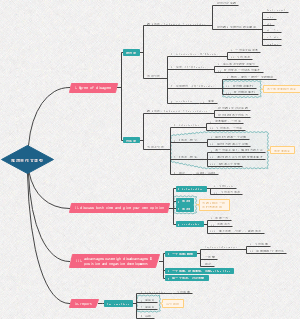
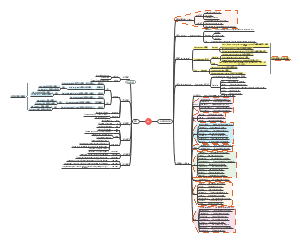
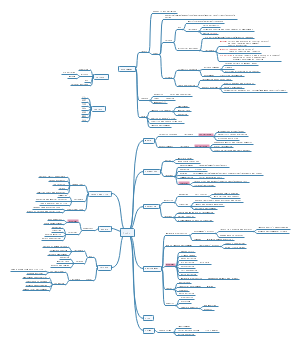
1.区分流派与分支
1.1 流派
多指思潮,有代表人物,代表著作,主要观点,研究方法,盛行时代,有其影响,往往有历史视角
Schools refer to trends of thought, with their representative figures, works, unique ideas, methods and influence on later development;a diachronic perspective.<br>
1.2 分支<br>
多指领域,研究范围,也有经典著作,有影响人物,多用共时观点。可能多个流派都对它有过贡献。
分配时间
完成结果
Branches refer to areas of study,with their classics, and influential figures; often a synchronic perspective.
1.2 语言的分支:Branches:<br>
从内部分:distinction from within:<br>
语音学,音系学,词汇学,形态学,句法学,语义学,语用学(?)phonetics,phonology,lexicology,morphology,ssyntax,semantic,pragmatics(?)<br>
从外部分:without:<br>
心理语言学,社会语言学,计算语言学,神经语言学,文化语言学,人类语言学,语料库语言学。psycholinguistics,sociolinguistics,computation linguistics,neurolinguistics,anthropogical linguistics, cultural linguistics,corpus linguistics.<br>
大分类:<br>
理论语言学 Theoretical linquistics<br>
应用语言学 applied linguistics
1.3 历史视角和共识视角一起可以画出一个十字,像一个坐标。<br>
The diachronic and synchronic perspectives will from a cross, which like a coordinate.<br>
1.3 语言学流派<br>
1. 传统语法 traditional grammar<br>
Traditional Grammar : focus on phonetics and words; school grammar, prescriptive;influebtial; its terms still in use today<br>
2. 历史语言学 historical linguistics<br>
language comparison, family trees of l languages; laws of sound change; Neogrammarians; paved the way for modern linguistics in the 20th century.
3. 现代语言学开端 the beginning of modern linguistics<br>
language/speech; arbitrariness of language; synchronic/diachronic; signifier/signified; system of signs
4. 欧洲功能主要 European functionalism<br>
the Prague School; the Copenhagen School: contribution to phonology; given/new information; thme/rheme; topic/comment; influential around 1920-40<br>
5. 伦敦学派 The London School<br>
Britain has a long tradition of language studies.
6. 系统功能语法 Halliday's Systemic-functional grammar<br>
meaning is use; contest detemines meaning; emphasis on both structure and system;linguistic potential and actual behavior; paradigmatic/syntagmatic relations; types of functions of language.
7. 美国结构主义语言学 American structuralism<br>
Riged 'procedure of discovery', binary cutting, ignore meanibg; distribution of elements; emphasis on evidence than impression; audio-lingual method in teaching; design features of language.
8. 美国转换生成语法 Chomsky's Generative Grammar<br>
a revolution; rationalism in philosophy; cognitive psychology; language is innate; iniitial state of mind; reveal nature of L to show nature of man.
9. 认知语言学 (today) Cognitive linguistics<br>
语言是认知系统的一部分;认知系统是由感知,情感,范畴化,抽象化,和推理等能力组成。目标是解释引起语言行为的心理结构和心理过程,揭示语言背后内在深层规律。
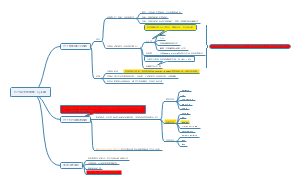
2.宏观区分流派 A Macro Distinction<br>
2.1 形式派: The formal school<br>
注重分析语言的形式,结构,成分和成分的布局,对语言进行形式描写和描写的形式化,考虑语言的心理性。
emphasize the formal, structural aspects of L, and distribution of elements; formalize the description of L; a psychological perspective.
2.2 功能派 The functional school :<br>
注重分析语言的功能,分析不同层次上的成分的语义功能,认为功能决定形式,考虑语言的社会性。
emphasize the functional nature of L; analyze the semantic function of elements on all levels; finction determines form; a sociolinguistic perspective.<br>
2.3 两派的区别:<br>
The formal camp say language is a psychological fact; the funtional camp say language is a social fact.<br>
形式主义者认为语言是心理现象;功能主义在说语言是社会现象<br>
2. 形式主义者说语言普遍现象是人类生理遗传;功能主义者说是来自社会对语言的普遍运用。
The formal camp say linguistic unversals are men's biological inheritance; the functional camp say language similaritties come from the common use of language.<br>
3. 形式主义者说儿童习得语言是人类的内在能力;功能主义者说这是儿童交际的需要和能力的发展。
The formal camp say that children are born with the ability to acquire language; the functional camp say that language learning comes from children's need and development.<br>
4. 形式主义者把语言当成独立系统研究;功能主义者把语言放在社会功能中研究。<br>
The formalists regard language as an indepedent system; the formalists study language in the social context by referrring to its social function.<br>
5.
形式派把语言看成一系列的结构,这些结构之间可以找出固定的关系;他们强调语言的普遍性,把语法看成语言的基础,因此语法围绕着句子展开<br>
功能派把语言看成是一个关系网,其基本关系借助于结构加以实现;他们强调语言之间的不同点,把语义看作语言的基础,因此语法是围绕着文本或语篇而展开的。
6. 语言系统<br>
The material process<br>
The transitivity system
The action process
The mental process
The internalized process
7. 语言功能<br>
工具<br>
调节
交际
个人表达
探索
想象
告知
概念功能
人际功能
语篇功能