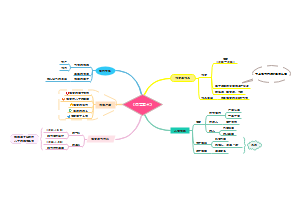
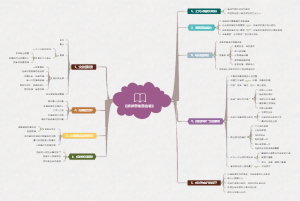
In 55B.C, Britain was invaded by Julius Caesar, the Roman conqueror. Britain was not completely subjugated to the Roman Empire until 78A.D. But at the beginning of the 5th century, the Roman Empire was in the process of declining. In410A.D., All the roman troops went back to the continent and never returned.
Influence
⒈The roman mode of life was brought into Britain while the native Britons were treated as slaves.
⒉The Romans brought Christianity to the island and this religion was spread widely.
⒊Roman road was built for military purposes.
⒋Along the Roman roads, many towns grew up. London became an important trading center.
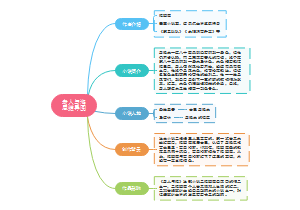
The English Conquest
Brief introduction
While the Romans retreated, the Britain was invaded by swarms of pirates.They were three tribes from Northern Europe: the Angles, Saxons and Jutes. Before the conquest they still lived in the tribal society. By the seventh century, a united kingdom called England, or the land of Angels was established.
Influence
⒈The three tribes had developed into a whole people called English, and the three dialects had grown into a single language, Anglo-Saxon or old English.
⒉The britons experienced a transition from tribal society to the feudalism because of the English Conquest.
⒊The Anglo-Saxons were christianized in the seventh century.
Literature Features
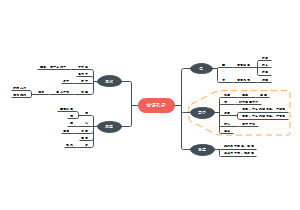
The settlement of Anglo-Saxon in England marked the beginning of English literature. The early English literature consisted of the Anglo- Saxon poetry, which was sung by the minstrels to the chiefs and warriors in praising of the old heroes' deeds in the feasting hall.
Literary Terms
⒈Anglo-Saxon poetry
⒉Alliteration
⒊Epic
⒋Metaphor
Major writers and works
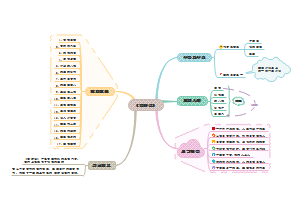
Beowulf
⒈Status
Beowulf is an Anglo-Saxon poetry and the national epic of the English people. It pass from mouth to mouth and written down by an unknown religious scholar in 10th century.
⒉Plots
It tells a story of Beowulf fighting against monsters Grendel and his mother, winning the battle and protecting his people.
⒊Significance
(1)It presents a vivid picture of the life of Anglo-Saxon people and highly praises the brave and courageous spirit of the fighting against the vices.
(2)The epic reflects the situations the pagon tribalism and era of the christianized feudal society.
(3)The epic gives the vivid portrayal of a great national hero's strong and courageous people and his kinfolk.