导图社区 单词:recession
关于单词:recession的思维导图,分享了recession派生、recession同源的内容,快来看看吧!
编辑于2023-06-28 01:41:40 湖南单词:recession
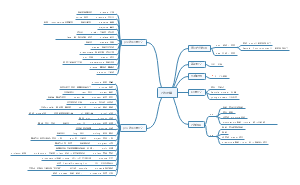
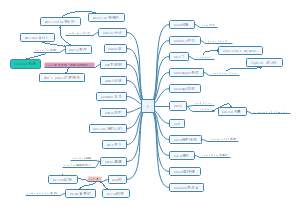
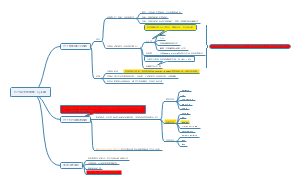
recession派生
recession
1. n.[VAR] A recession is a period when the economy of a country is doing badly, for example because industry is producing less and more people are becoming unemployed.经济衰退
cede
1. v. If someone in a position of authority cedes land or power to someone else, they let them have the land or power, often as a result of military or political pressure.割让(领土);放弃(权力)
recede
1. v. If something recedes from you, it moves away.后退;远离
2. v. When something such as a quality, problem, or illness recedes , it becomes weaker, smaller, or less intense.(特性、问题、疾病等)减弱,变小,减轻
3. v. If a man's hair starts to recede , it no longer grows on the front of his head.(男子的头发)从前额向后脱落
recessional
1. n.[SING] The recessional is a religious song which is sung at the end of a church service.(做完礼拜后的)退场赞美诗
2. adj. Recessional means related to an economic recession.经济衰退的
cession
n. 转让(权利等);割让(领土等)
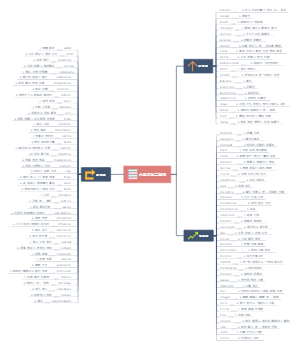
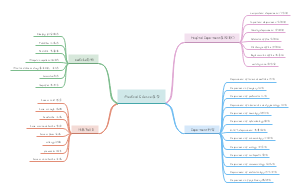
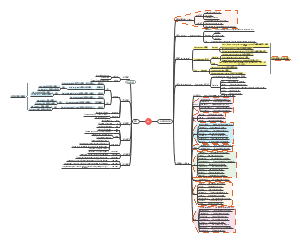
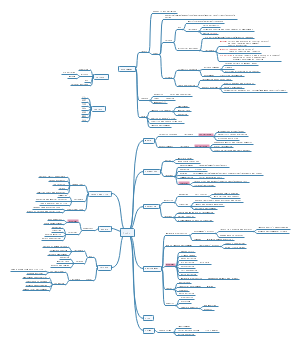
recession同源
incessant 1. adj. An incessant process or activity is one that continues without stopping.不停的;连续的;持续不断的
access
1. n.[U] If you have access to a building or other place, you are able or allowed to go into it.进入(权);接近(权)
2. n.[U] If you have access to something such as information or equipment, you have the opportunity or right to see it or use it.查阅(或使用)的机会(或权利)
3. n.[U] If you have access to a person, you have the opportunity or right to see them or meet them.接近(或见面)的机会(或权利)
4. v. If you access something, especially information held on a computer, you succeed in finding or obtaining it.存取,访问(计算机信息)
exceed
1. v. If something exceeds a particular amount or number, it is greater or larger than that amount or number.超过,超出(某数量、数字等)
2. v. If you exceed a limit or rule, you go beyond it, even though you are not supposed to or it is against the law.超出,超越(限制、规定等)
exceedingly
1. adv. Exceedingly means very or very much.非常;极其
excess
1. n.[VAR] An excess of something is a larger amount than is needed, allowed, or usual.过多;过量
2. adj. Excess is used to describe amounts that are greater than what is needed, allowed, or usual.过量的;过多的
3. n.[U] Excess is behaviour that is unacceptable because it is considered too extreme or immoral.无节制;无度
4. adj. Excess is used to refer to additional amounts of money that need to be paid for services and activities that were not originally planned or taken into account.额外的;多余的
5. n.[C] The excess on an insurance policy is a sum of money which the insured person has to pay towards the cost of a claim. The insurance company pays the rest.(保险中的)免赔额,承保人本人需承担的款额
6. phrase. In excess of means more than a particular amount.超过
7. phrase. If you do something to excess , you do it too much.过分地;过度地

excessive
1. adj. If you describe the amount or level of something as excessive , you disapprove of it because it is more or higher than is necessary or reasonable.过分的;过多的
necessary
1. adj. Something that is necessary is needed in order for something else to happen.必要的;必需的
2. adj. A necessary consequence or connection must happen or exist, because of the nature of the things or events involved.(结果或联系)必然的,势必的
3. phrase. If you say that something will happen if necessary , when necessary , or where necessary , you mean that it will happen if it is necessary, when it is necessary, or where it is necessary.必要的话;必要时
cede
1. v. If someone in a position of authority cedes land or power to someone else, they let them have the land or power, often as a result of military or political pressure.割让(领土);放弃(权力)