Understanding different cultures
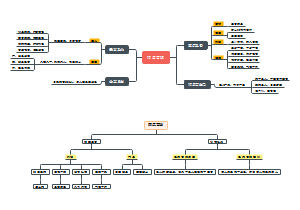
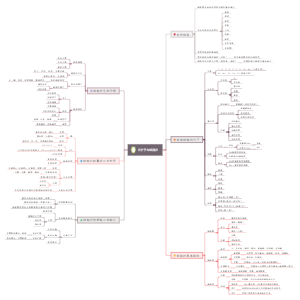
Studying the values, customs, etiquette, etc. of the specific culture
Learning the history and background of the specific culture
Enhancing cultural sensitivity
Realizing one's cultural biases
Respecting different cultural perspectives
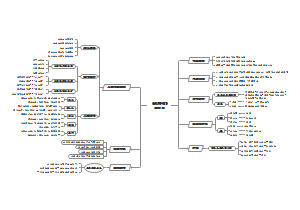
Familiaring with cross-cultural communication skills
Using simple and clear language
Avoid using complex slang or metaphors
Listen to the other person's perspective instead of making immediate evaluations
Adapting to the other party's communication style
Understanding the other party's preferences and determine whether it is direct communication or indirect suggestion
Observing the other party's body language and nonverbal signals
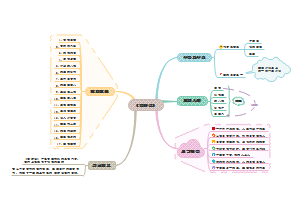
Addressing language barriers
Adopting simple vocabulary and sentence structure
Avoid using culturally specific slang and metaphors
If conditions permit, utilize translation tools or seek help from multilingual professionals.
Building trust and resonance
Good at discovering commonalities and common interests
To avert criticism and excessive debate
Avoid leaving stereotypes
Don't judge individuals based on culture
Valuing individual differences for each individual
Comprehending different communication styles
The cultural gap between superiors and subordinates
Whether to express opinions directly or indirectly
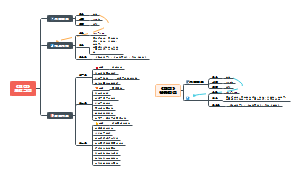
Dealing with conflicts and misunderstandings
Identify potential sources of conflict
Implement open communication methods to resolve conflicts
Continuous improvement and learning
Review the experience of each cross-cultural communication and summarize the lessons learned
Continuously learning and adapting to new cultural challenges