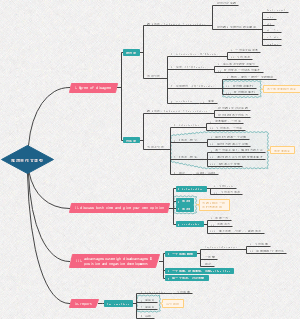
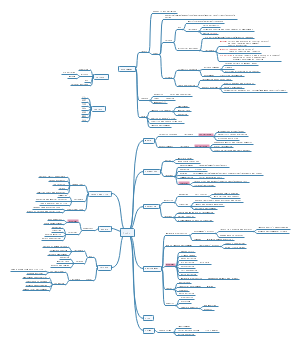
An independent clause or a simple sentence is structurally a sequence of phrases logically organized into a construction of "subject + predicate".
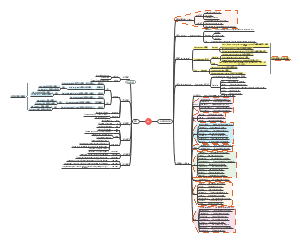
The core of the clause can be divided in to two main parts: the subject and the predicate
subject
The subject is the topic or theme of the clause, which tells of what the clause is about.
It is generally realized by a noun phrase or an equivalent of noun phrase, including finite and non-finite
subordinate clauses.
predicate
The predicate is the part of a clause that tells of something about the subject and bears the new information that the speaker or writer wants to transmit to his reader or hearer. The structure of the predicate is usually longer and more complicated than that of the subject.
predicate
predicate verb
object
complement
adverbial
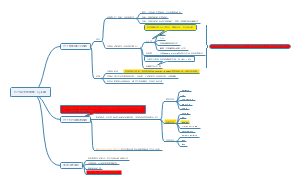
Double predicate
A double predicate is the combination of two predicates into one. For example:
He left home a mere child and returned an old man.
He left home when he was a child, and returned when he was an old man
A bird fell dead to the ground.
A bird fell to the ground and was dead.
the difference
The predicate verb is the central part of predication. It is usually expressed by a verb phrase, either a simple VP or a co mplex VP.
The predicate verb determines whether a complement should be followed or wh at kind of complement should be follow ed. So...
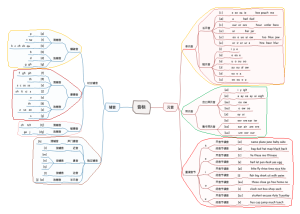
Basic Clause
Types
Linking verb+complement
SVC
Intransitive verb+zero complementation
SV
Intransitive verb+ adverbial
SVA
Monotransitive verb + object
SVO
Ditransitive verb +indirect object+ direct object
SVOO
Complex-transitive verb + object +complement
SVOC
Transitive verb +object+ adverbial
SVOA
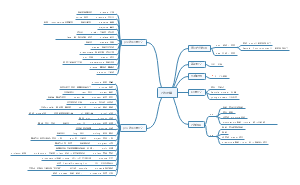
Clause
Elements
central elements
The central elements of a clause include subject, predicate verb, object, complement and
adverbial.
peripheral elements
The peripheral elements of a clause refer to those that are not structurally integrated with the main structure of the clause. They include stance adverbials, linking adverbials, vocatives insertions, interjections, and initial YES or NO
central
elements
subject
Subject
semantically
classified
1. personal subject and non-personal subject
2. agentive subject and recipient subject
3.temporal subject and locative subject
4.instrumental subject and eventive subject
Predicate
Verb
The predicate verb is the central part of the predication. It is usually expressed by a verb phrase, either a simple VP or a complex VP.
Verbs that take objects are known as transitive verbs. Verbs not followed by objects are called intransitive verbs.
Object
A verb may be followed by an object that completes the verb's meaning.
Two kinds of objects follow verbs: direct objects and indirect objects.
Semantically, objects can be divided into recipient object, resultant object, causative object, metonymic object and cognate object.
Complement
1. The subject complement, which describes what the subject refers to, is usually used together with the link verb, forming a "linking verb + complement "construction
2. An object complement is similar to a subject complement,except that (obviously) it modifies an object rather than a subject
The anticipatory it is used as the formal object when the object is too long.
Adverbial
Adverbials can be divided into three types: depictive adverbial/adjunct, stance adverbial/disjunct, and linking adverbial /conjunct.
The depictive adverbial is the central element of the clause and the stance and linking adverbials are peripheral.
The depictive adverbial
1.advbial of time and place
2. adverbial of manner and accompanying circumstances