导图社区 unit 6 teaching pronunciation
833,王蔷,教学发音的目的不是教学习者达到对本土口音的完美模仿,而只是让漏音者发出足够准确的发音,以便其他说话者容易和舒服地理解,涵盖了从目的、理论支持、教学目标到具体实践方法的多个方面。
编辑于2024-06-26 04:31:00这是一篇关于竟品分析的思维导图,竞品分析是一种对竞争对手的产品进行比较分析的过程,旨在识别市场机会、改善竞争策略或监测行业趋势。
曼昆,第十版,宏观经济学研究对象:研究经济作为一个整体的运行和表现,包括国内生产总值(GDP)、就业、物价水平等宏观经济变量的决定和变动。还介绍了多种宏观经济模型,用于解释经济现象和预测经济趋势。这些模型包括IS-LM模型、AS-AD模型等,可以帮助我们更好地理解经济变量之间的相互关系和政策效应。为我们提供了对宏观经济学的全面深入的理解和分析,涵盖了经济运行的各个方面和政策选择的影响。
社区模板帮助中心,点此进入>>
这是一篇关于竟品分析的思维导图,竞品分析是一种对竞争对手的产品进行比较分析的过程,旨在识别市场机会、改善竞争策略或监测行业趋势。
曼昆,第十版,宏观经济学研究对象:研究经济作为一个整体的运行和表现,包括国内生产总值(GDP)、就业、物价水平等宏观经济变量的决定和变动。还介绍了多种宏观经济模型,用于解释经济现象和预测经济趋势。这些模型包括IS-LM模型、AS-AD模型等,可以帮助我们更好地理解经济变量之间的相互关系和政策效应。为我们提供了对宏观经济学的全面深入的理解和分析,涵盖了经济运行的各个方面和政策选择的影响。
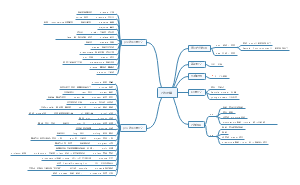
unit 6 teaching pronunciation
what
general knowledge of the sound system
classification of speech sounds
vowels
consonants
speech sounds in linguistic units
phoneme
allophone
why
the role of pronunciation
debate
side A
students do not need to learn pronunciation because pronunciation will take care of itself as the students develop overall language ability
side B
failure in pronunciation is a great hindrance to language ability
conclusion
the leaners who have more exposures to english need less focus on pronunciation than those who only learn english in the class.
Adult leaners need more focus on pronunciation because they are more likely to substitute english sounds with sounds from their native language.
the teaching of pronunciation should focus on the ss'ability to identify and produce english sounds themselves.(pronunciation vs phonetics)
Ss should not be led to focus on reading and writing phonetic transcript of words, esp. for young studens.
Phonetic rules are helpful for ss to develop ability to cope with english pronunciation and they should be introduced at a suitable stage
stress and intonation are important and should be taught from the very begining
the goal of teaching pronunciation
the goal of teaching pronunciation is not to teach learners to achieve a perfet imitation of a native accent, but simply to get the learners to pronunce accurately enough to be easily and comfortably comprehensible to other speakers.
goal
consistency
the pronunciation should be smooth and natural
intelligibility
the pronunciation should be understandable to the listeners
communicative effiency
the pronunciation should help convey the meaning that is intended by the speaker
add
critical period hypothesis关键期
a biologically determined period of life when language can be acquired more easily and beyond which time language is increasing difficult to acquire.
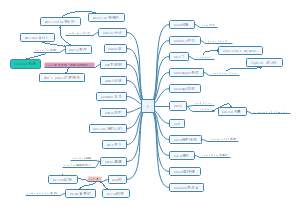
how
what aspects of pronunciation do we need to teach?
when talking about pronunciation, many people automatically think of sounds and phonetic symbols and rules(舒白梅音段).
pronunciation is an umbrella term convering many aspects, beside sound and phone symbols ,such as stress, intonation, and rhythm(舒白梅超音段).
Of course,these aspects are not isolated from each other, rather, they are interrelated
How to achieve good pronunciation?
practice makes it
bothe mechanical practice and meaningful practice are beneficial
the methods of practising sounds
it is importanta to combine drilling pronunciation exercises with more meaningful exercises that focus on whatever aspect of pronunciation is the focus of the lesson
practice exercise
focus on a sound
focus on a individual sounds especially those sound that are difficult to learn
preception practice
what is the goal of perception practice?
developing the students' ability to identify and distinguish between different sounds
examples
using minimal pairs (with one sound difference)
will/well, ship/sheep, light/night
which order
bear, tear, ear
same or different?
odd one out
completion
production practice
the goal of production practice is developing students' ability to produce sounds. Production practice of pronunciation varies from mechanical immitation to production in meaningful contexts
examples
listen and repeat
practice individual sounds, individual words, group of words, sentences
mechanical imitation
fill in the blanks
in sentences with words which contain certain sounds
make up sentences
using as many from the given words as possible
use meaningful contexe
to perform meaningful tasks such as role-play
use pictures
to produce meaningful language
use tongue twisters
to practice pronunciation
the methods of practising stress and intonation
stress
2 types of stress
word-level stress
it is very important to stress the proper syllable in multi-syllabic words
the best strategy is to emphasize the importance of learning the stress as part of learning a word
phrase-level or sentence-level stress
each phrase or sentence has one syllable which receives greater or more prominent stress than the others
some phrase or sentences may have one stressed syllable, while others may have 5-6 stressed syllables
teaching methods
the most important thing in practising stress is making the students aware of where to stress the words or phrases.
methods
use gesture
clapping hands
using arm movements
use the voice
raise the voice to indicate stress
use the blackboard
underline the stress parts or write with colored chalks
intonation
intonation is used by native speakers to express meanings in many subtle ways, such as surprise,complaint,friendliness, threats
practising
use hand or arm movement to indicate change of intonation
use rising or falling arrows to mark intonation
draw lines to mark change of intonation
how can teachers help the students to improve pronunciation?
use individual, pair group and whole class work
use hands and arms to conduct practice
move around the classroom when doing choral practice
vary the criteria of 'good' to give students confidence
do articulation practice more than one
bring interests and variety to the practice
the main criteria for good pronunciation are consistency, intelligibility and communicative efficiency
make full use of demonstrations
try to use visual aids