导图社区 unit 8 teaching vocabulary
833,王蔷,词汇教学的目的是帮助学生掌握一定数量的词汇,理解其含义和用法,以便能够进行有效的语言交流和表达。重要性:词汇是语言的基本单位,是理解和表达的基础。掌握足够的词汇量是提高听、说、读、写能力的基础。同时,词汇教学有助于增强学生的语言学习兴趣,提高他们的自主学习能力。
编辑于2024-06-26 04:32:18这是一篇关于竟品分析的思维导图,竞品分析是一种对竞争对手的产品进行比较分析的过程,旨在识别市场机会、改善竞争策略或监测行业趋势。
曼昆,第十版,宏观经济学研究对象:研究经济作为一个整体的运行和表现,包括国内生产总值(GDP)、就业、物价水平等宏观经济变量的决定和变动。还介绍了多种宏观经济模型,用于解释经济现象和预测经济趋势。这些模型包括IS-LM模型、AS-AD模型等,可以帮助我们更好地理解经济变量之间的相互关系和政策效应。为我们提供了对宏观经济学的全面深入的理解和分析,涵盖了经济运行的各个方面和政策选择的影响。
社区模板帮助中心,点此进入>>
这是一篇关于竟品分析的思维导图,竞品分析是一种对竞争对手的产品进行比较分析的过程,旨在识别市场机会、改善竞争策略或监测行业趋势。
曼昆,第十版,宏观经济学研究对象:研究经济作为一个整体的运行和表现,包括国内生产总值(GDP)、就业、物价水平等宏观经济变量的决定和变动。还介绍了多种宏观经济模型,用于解释经济现象和预测经济趋势。这些模型包括IS-LM模型、AS-AD模型等,可以帮助我们更好地理解经济变量之间的相互关系和政策效应。为我们提供了对宏观经济学的全面深入的理解和分析,涵盖了经济运行的各个方面和政策选择的影响。
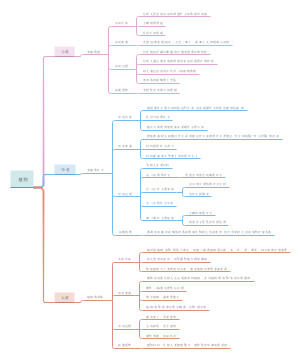
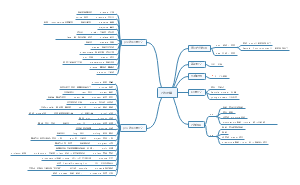
unit 8 teaching vocabulary
what
what does knowing a word involve
knowing a word means knowing
its pronunciation and stress
its spelling and grammatical properties
its meaning
how and when to use it to express the intended meaning
learning a word involves learning more than just the word itself. Lexical items can be phrases, clauses or sentences
denotative meaning and connotative meaning
vocabulary learning "involves at least two aspects of meaning. The first aspect involves the understanding of ites denotative and conotative meaning. The second aspect involves understanding the sense relations among words
according to Hedge
Denotative meaning字面意义,外延
the primary, literal or explicit meaning of a word, which refers to "those words that we use to label things as regards real objects, such as a name or a sign, etc. in the physical world.
connotative meaning 隐含意义,内涵
the meaning of a word or phrase that is suggested or implied, as opposed to a denotation, or literal meaning
sense relations
collocations
words that co-occur with high frequency and have been accepted as ways for the use of words
synonyms
items that mean the same, or nearly the same
antonyms
items that mean the opposite of a word
hyponyms下义词 words which can be grouped together under the same superordinate (上义词 concept
receptive and productive vocabulary
Be aware of the distinction between receptive/passive and productive/active vocabulary
receptive vocabulary refers to words that one is able to recognize and comprehend in reading or listening but unable to use automatically in speaking or writing
productive vocabublary
words that one is not only able to recognize but also able to use in speech and writing
why
assumptions about vocabulary learning
vocabulary items can be words, compounds, phrases, sentences
not every single word has an equivalent in another language, eg.the
vocabulary can be taught
both teachers and students should be aware of the difference between active and passive vocabulary, and then treat them differently
translation is not the best way to explain new words
english-english explanations are not the best.there are many other more effective ways.
an english-english dictionary is very helpful
it is more effective when words of related meaning are taught and learned together
studying vocabulary in language contexts are more effective
forgetting is inevitable. but if words are frequently used, they are less easy to forget
how
the way to present new vocabulary
context
provide a verbal context to demonstrate meaning
relate words too contexts in real life
provide different contexts
词块教学
use synonyms or antonyms
use lexical sets or hyponyms to show relations of words and their meanings
teach vocabulary in chunks
调动所有感官
provide a visual or physical demonstration
translate and exemplify, if words with abstract meaning
use word formation rules
prepare for possible misunderstanding or confusion
conclusion
for effective teaching vocabulary, it is always useful for a teacher to have a repertiore of teaching so that he/she can choose a technique according to type of vocabulary and different age level of the learner.
it is important to note that after presenting new vocabulary, the teaher shuold try to provide opportunities for students to use multiple senses to get familiar with the newly learned words
it is important for the teacher to create meaningful and personalized tasks for the students to use the words in their own ways.
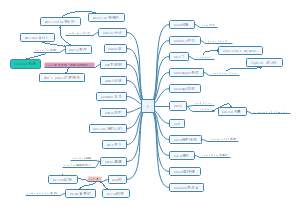
what are some effective ways to consolidate vocabulary
低龄
趣味
labelling
decribe and draw
play a game
word bingo
词块
use word series
word association
find synonyms and antonyms
categories
using word net-work
using the internet resources for more ideas
how do we help students develop vocabulary learning strategies
review again
guess meaning from context
contextual clue
the topic, the grammatical structure, meaning connect between the given word and other words, linguistic pattern
organize vocabulary effectively
use a dictionary
what dictionary
how to use
what to look for, when to use
keep a vocabulary notebook
in different formats
manage strategy use
self-evaluate
share experience
task 5