导图社区 Unit two Communicative princi
833,王蔷,交际原则与任务型语言教学都是现代语言教学中非常重要的理念和方法。它们强调交际互动在语言学习中的重要性,注重培养学生的交际能力和综合语言能力,对于提高学生的语言学习效果和实际应用能力具有重要意义。
编辑于2024-06-26 04:33:32这是一篇关于竟品分析的思维导图,竞品分析是一种对竞争对手的产品进行比较分析的过程,旨在识别市场机会、改善竞争策略或监测行业趋势。
曼昆,第十版,宏观经济学研究对象:研究经济作为一个整体的运行和表现,包括国内生产总值(GDP)、就业、物价水平等宏观经济变量的决定和变动。还介绍了多种宏观经济模型,用于解释经济现象和预测经济趋势。这些模型包括IS-LM模型、AS-AD模型等,可以帮助我们更好地理解经济变量之间的相互关系和政策效应。为我们提供了对宏观经济学的全面深入的理解和分析,涵盖了经济运行的各个方面和政策选择的影响。
社区模板帮助中心,点此进入>>
这是一篇关于竟品分析的思维导图,竞品分析是一种对竞争对手的产品进行比较分析的过程,旨在识别市场机会、改善竞争策略或监测行业趋势。
曼昆,第十版,宏观经济学研究对象:研究经济作为一个整体的运行和表现,包括国内生产总值(GDP)、就业、物价水平等宏观经济变量的决定和变动。还介绍了多种宏观经济模型,用于解释经济现象和预测经济趋势。这些模型包括IS-LM模型、AS-AD模型等,可以帮助我们更好地理解经济变量之间的相互关系和政策效应。为我们提供了对宏观经济学的全面深入的理解和分析,涵盖了经济运行的各个方面和政策选择的影响。
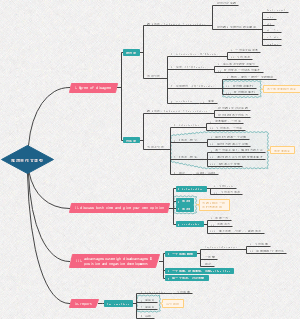
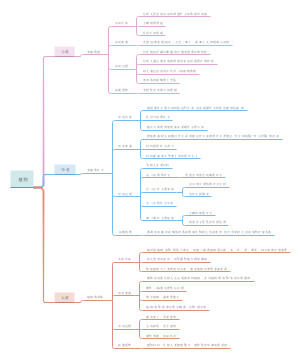
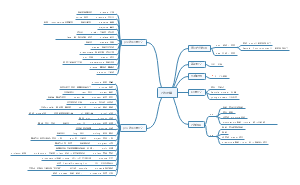
Unit two: Communicative principles and task-based language teaching.
Language use in real life versus traditional pedagogy.
What is communicative competence?
第1段
To bridge the gap between classroom language teaching and real-life language use, one solution is to adopt clt, the goal of which is to develop students' communicative competence.
第2段
Definition.
Communicative competence include both the language about the language and the language about how to use the language of appropriately in communicative situation.
Five components of communicative competence. (Had 2000.)
Linguistic competence.
It's concerned with knowledge of the language itself, its form and meaning.
Pragmatic competence.
It's concerned with the appropriate use of the language in social context.
Discourse competence
It refers to one's ability to create coherent written text or conversation and ability to understand them.
Strategic competence
It refers to strategies one employees when there is communication breakdown due to lack of resources. One can compensate for these by searching for other means of expression, such as using a similar phrase, using gestures or using a longer explanation.
Fluency.
It means one's ability to link units of speech together with the facility and without strain or inappropriate slowness or undue hesitation.
第3段,用自己的话总结,如,
Teaching must enable learners to grasp the five components of communicative competence, but not just the linguistic competence.
Principles of communicating language teaching. (Clt.)
Principles.
Communication principle.
Activities that involve real communication promote learning.
Task principle.
Activities in which language is used for carrying out meaningful tasks promote learning.
Meaningfulness principle.
Language that is meaningful to the learner supports the learning process.
Howatt
A weak version of clt
With the weak version, learners first acquire language as a structural system and then learn how to use it in communication.
A strong version of clt.
It claims that languages are acquire through communication.
Main features of communicative activities.
Communicative purpose.
The activity must involve the students in performing a real communicative purpose.
Communicative desire.
The activity must create a desire to communicate in the students.
Content not form
When the students are doing the activity, they must be concentrating on what they are saying, not how they say it.
Variety of language.
The activity must involve the students in using a variety of language, not just one specific language form.
No teacher intervention.
The activity must be designed to be done by the students working by themselves rather than with the teacher.
No materials control.
The activity should not be designed to control what language that students should use.
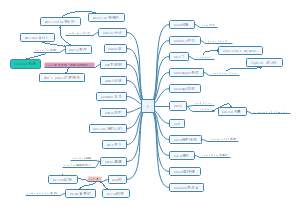
Task-based language teaching (tblt).
图
Task-based language teaching is a further development of communicative language teaching. It shares the same beliefs, as language should be learned as close as possible to how is used in real life.
Four components of a task.
A purpose.
Making sure the students have a reason for undertaking the task.
A context.
This can be real, stimulated or imaginarym, and involves social linguistic issues.
A process.
Getting the students to use learning strategies such as problem solving, reasoning, inquiring, conceptualizing and communicating.
A product.
There will be some form of outcome, either visible or invisible.
Discriminate, exercise and task.
Exercise.
When students are carrying out a task.,they are focusing on the complete act of communication. Sometimes, however, we may wish to focus their attention on individuals,aspects of language, such as vocabulary, grammar or individual skills. We can call these activities exercises.
Exercise-task.
This kind of activity consists of contextualize practice of language items. This kind of activity can be called an exercise-task.
Ppp and task-based language teaching.
A typical PPT lesson would start by the teacher introducing a new language item in a context followed by some control practice. Students then move on to produce the language in a more meaningful way, such as a role play, a drama, an interview ,ect
Differences between ppp and tbl.
The way students use and experienced language in tbl is radically different from ppp.
Free of language control.
A genuine need to use language communicate.
A Free exchange of ideas.
Appropriateness and accuracy of language form in general, rather than the production of a single form.
A genuine need to strive for accuracy and fluency.
Tbl can provide a context for grammar teaching and form-focused activities. Ppp is different in this aspect.
Encourages students to think and analyze, not simply to repeat, manipulate and apply.
A more varied exposure to nature language.
Language forms pre-selected for focus.
Learner-free selection of language.
A tbl cycle leads from fluency to accuracy.
In tbl integrated skills practice.
How to design tasks.?
Step one: think about students' needs interests and abilities.
Step two, brainstorm possible tasks.
Step three, evaluate the list.
Step four.choose the language items.
Step five preparing materials.
Appropriateness of clt and tblt in the Chinese context
Clt
The very first and forceful argument is whether it is culturally appropriate.
The second problem of clt relates to the design of the syllabus for teaching purpose in the classroom.
The 3rd problem is that some people doubt that whether such an approach is suitable for all age level of learners or all competence level of learners.
Tblt.
The first is that it may not be effective for presenting new language items.
The second constraint is time as teachers have to prepare task-based activities very carefully.
The 3rd. Is. the culture of learning.
The fourth is level of difficulty.