导图社区 中考英语短语:动词短语
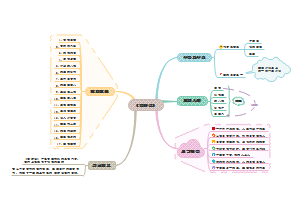
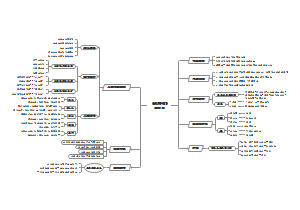
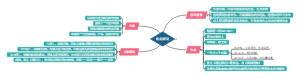
"掌握中考英语短语,轻松攻克动词考点!这份指南系统梳理动词短语的核心内容,涵盖六大板块:1基础篇(动词短语构成及分类如动词 介词/副词)2时态运用(现在/过去各时态搭配)3高频考点(take part in/pay attention to等30 实用短语)4场景分类(学习/情感/日常生活相关表达)5特殊结构(使役动词及被动语态应用)6进阶扩展(完成类/移动类短语)。每个短语均附用法说明,助你快速突破短语盲区。
这是一篇关于电商主要功能架构的思维导图,详细罗列了电商系统首页、交易物流、互动信息、信息列表、我的资产等主要功能模块,以及各模块下细分的功能点。
年度总结模板:销售冠军客户开发转化率分析年度总结模板:销售冠军客户开发转化率分析年度总结模板:销售冠军客户开发转化率分析
年度总结模板:UI设计师作品集复盘升级攻略,涵盖了UI设计师在作品集复盘和升级过程中的各个关键环节,旨在帮助设计师系统提升作品集质量,促进个人职业发展。
社区模板帮助中心,点此进入>>
《老人与海》思维导图
《钢铁是怎样炼成的》章节概要图
《傅雷家书》思维导图
《西游记》思维导图
《水浒传》思维导图
《茶馆》思维导图
《朝花夕拾》篇目思维导图
《红星照耀中国》书籍介绍思维导图
初中物理质量与密度课程导图
桃花源记思维导图
中考英语短语:动词短语
基本动词短语
短语动词
get up
意思:起床
例句:She gets up at 6 o'clock every day.
look after
意思:照顾
例句:He looks after his little sister while his parents are at work.
take off
意思:起飞
例句:The plane will take off at 8 a.m.
短语动词的构成
动词+介词
例子:look for 寻找
动词+副词
例子:wake up 醒来
动词+名词+介词
例子:take care of 照顾
进阶动词短语
表示移动的动词短语
come back
意思:回来
例句:He will come back next week.
go out
意思:出去
例句:They often go out for dinner on weekends.
run away
意思:逃跑
例句:The dog ran away when it saw the stranger.
表示状态的动词短语
break down
意思:故障,出问题
例句:The car broke down on the highway.
come true
意思:实现
例句:His dream came true after years of hard work.
turn off
意思:关闭
例句:Please turn off the lights when you leave the room.
表示完成的动词短语
finish off
意思:完成,结束
例句:They finished off the project ahead of schedule.
give up
意思:放弃
例句:Never give up on your dreams.
hand in
意思:提交
例句:Students need to hand in their homework by Friday.
高频动词短语
与学习相关的动词短语
look up
意思:查找
例句:She looked up the word in the dictionary.
pay attention to
意思:注意
例句:You should pay attention to the teacher in class.
work out
意思:解决,锻炼
例句:He works out at the gym every day.
与日常生活相关的动词短语
do well in
意思:在...方面做得好
例句:She does well in math.
get along with
意思:与...相处融洽
例句:He gets along with his classmates very well.
make up
意思:编造,化妆
例句:She made up a story to entertain the children.
与情感态度相关的动词短语
get excited about
意思:对...感到兴奋
例句:The children got excited about the coming vacation.
lose heart
意思:失去信心
例句:Don't lose heart when you face difficulties.
take part in
意思:参加
例句:Many students took part in the school play.
动词短语的时态和语态
一般现在时
用法说明
表示经常性或习惯性的动作
动词短语例子
wake up
例句:He wakes up at 7 a.m. every day.
现在进行时
表示正在进行的动作或当前一段时间内的活动
例句:She is looking after her baby brother now.
一般过去时
表示过去某个具体时间发生的动作或存在的状态
例句:The plane took off on time yesterday.
过去进行时
表示过去某个特定时间正在进行的动作
例句:He was coming back when it started to rain.
现在完成时
表示过去发生的动作对现在造成的影响或结果
例句:The computer has broken down, so I can't finish my work.
过去完成时
表示在过去某个时间点之前已经完成的动作
例句:By the time I arrived, they had already finished off the pizza.
被动语态
表示动作的执行者不是句子的主语,而是动作的承受者
例句:The lights were turned off by the janitor.
使役动词和情态动词后接动词短语
表示使某人做某事或可能、应该做某事
let's go out
例句:Let's go out for a walk after dinner.
should hand in
例句:You should hand in your project by the end of this week.