导图社区 五年级英语思维导图
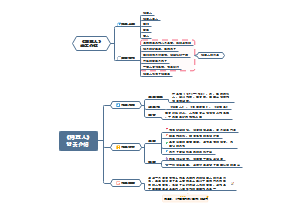
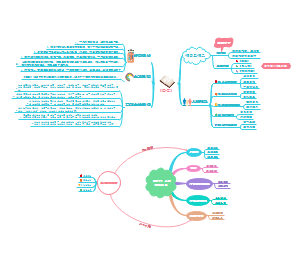
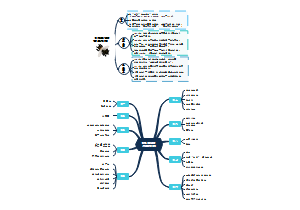
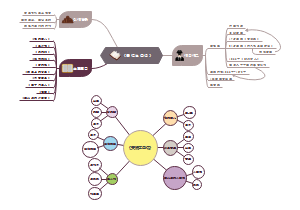
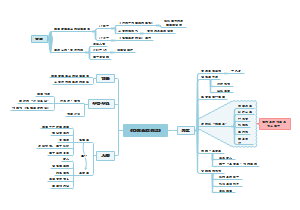
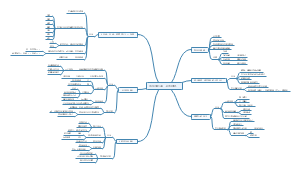
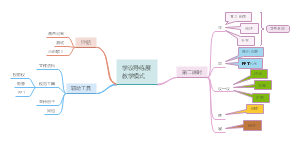
这张思维导图系统地梳理了五年级英语上下册各单元的核心知识点,包括词汇、句型、语法等,有助于学生整体把握学习内容,进行复习和总结。
编辑于2025-11-29 10:56:30五年级思维导图
上册
Unit 1: What’s he like?
核心主题: 描述人物的性格与外貌特征 重点词汇: 形容词: old, young, funny, kind, strict, polite, hard-working, clever, shy 人物: Mr, Miss, Mrs 核心句型: — What’s he/she like? — He/She is kind. — Is he/she funny? — Yes, he/she is. / No, he/she isn’t. — Who’s your English teacher? — Mr Jones. 重难点: 语法: 正确使用be动词(is, am, are)与形容词搭配描述人;第三人称单数(he/she)在疑问句和否定句中的运用。 易错点: 混淆What’s he like?(问性格/外貌)和What does he like?(问喜好)。

Unit 2: My week
核心主题: 谈论星期、课程安排和周末活动 重点词汇: 星期: Monday, Tuesday, ... Sunday 课程: English, maths, music, art, PE, science, ... 动词短语: read books, play football, wash my clothes, watch TV 核心句型: — What do you have on Thursdays? — I have maths, English and music. — What do you do on Thursdays? — I often watch TV with my parents. 重难点: 语法: 一般现在时(主语为I/We/You/They)用于表达经常性的活动;介词on与星期连用。 易错点: 区分询问课程(have)和询问活动(do)的句型。
Unit 3: What would you like?
核心主题: 谈论食物、饮料及点餐 重点词汇: 食物饮料: sandwich, salad, hamburger, ice cream, tea, juice 形容词: fresh, healthy, delicious, hot, sweet 核心句型: — What would you like to eat/drink? — I’d like a sandwich, please. — What’s your favourite food? — Noodles. They’re delicious. 重难点: 语法: 掌握情态动词would表示委婉请求的用法(I’d like = I would like)。 易错点: favourite的含义是“最喜欢的”,后面直接接名词,不需要再加most。
Unit 4: What can you do?
核心主题: 谈论能力与课余活动 重点词汇: 动词短语: sing English songs, play the pipa, do kung fu, draw cartoons, swim, cook 核心句型: — What can you do? — I can draw cartoons. — Can you swim? — Yes, I can. / No, I can’t. 重难点: 语法: 情态动词can的用法(表示能力),后接动词原形。 易错点: 演奏乐器前要加定冠词the,如play the pipa,但球类运动前不加,如play basketball。
Unit 5: There is a big bed
核心主题: 描述房间内的物品及其位置 重点词汇: 家具: bed, clock, plant, bike, photo, water bottle 方位介词: in, on, under, behind, between, above, in front of 核心句型: There is a big bed in my room. There are so many pictures here. 重难点: 语法: 掌握There be句型(“有”),注意主谓就近原则(a bed -> is; many pictures -> are)。 易错点: 区分There be(某地有某物)和have/has(某人有某物)。
Unit 6: In a nature park
核心主题: 描述自然景观 重点词汇: 自然景物: forest, river, lake, mountain, hill, tree, bridge, building, village 核心句型: — Is there a river in the forest? — Yes, there is. / No, there isn’t. — Are there any tall buildings in the nature park? — Yes, there are. / No, there aren’t. 重难点: 语法: There be句型的一般疑问句及其肯定、否定回答;any在疑问句和否定句中的使用。 易错点: 在疑问句和否定句中,some通常要改为any。
下册
Unit 1: My day
核心主题: 描述日常作息与时间安排 重点词汇: 日常活动: eat breakfast, have...class, play sports, do morning exercises, eat dinner, go shopping 时间短语: in the morning/afternoon/evening, at noon 核心句型: — When do you get up? — I usually get up at 7 o’clock. — What do you do on the weekend? — I often go shopping. 重难点: 语法: 巩固一般现在时,学习频度副词usually, often, sometimes的位置(置于实义动词之前)。 易错点: 介词at与具体钟点连用(at 7:00),on与星期/周末连用(on the weekend)。
Unit 2: My favourite season
核心主题: 描述季节、天气及相关活动 重点词汇: 季节: spring, summer, autumn, winter 天气形容词: sunny, windy, cloudy, snowy, rainy 活动: go on a picnic, go swimming, pick apples, make a snowman 核心句型: — Which season do you like best? — I like spring best. — Why? — Because the flowers are beautiful. 重难点: 语法: 特殊疑问词Which和Why的用法,以及回答Because...。 易错点: 季节前用介词in(in spring);正确使用描述天气的形容词(如snowy)和名词(如snow)。
Unit 3: My school calendar
核心主题: 谈论月份、年份及学校主要活动 重点词汇: 月份: January, February, ... December 活动: sports meet, school trip, Easter party, singing test 核心句型: — When is the school trip? — It’s in October. We’ll have a singing contest. 重难点: 语法: 初步接触一般将来时will的用法,表示将要发生的事情;介词in与月份/年份连用,on与具体日期连用。 易错点: 月份名称的首字母必须大写;区分When is...?(问时间)和What...?(问事件)。
Unit 4: When is the art show?
核心主题: 询问并回答具体日期(序数词) 重点词汇: 序数词: first (1st), second (2nd), third (3rd), fourth (4th) ... twelfth (12th), twentieth (20th), twenty-first (21st) 节日活动: art show, reading festival, birthday party 核心句型: — When is your birthday? — It’s on April 4th. — When is the art show? — It’s on May 1st. 重难点: 语法: 掌握序数词的构成和用法;介词on与具体日期(包含几月几日)连用。 易错点: 序数词的缩写形式(th, st, nd, rd)容易写错;日期前的介词必须用on。
Unit 5: Whose dog is it?
核心主题: 询问并表达物品的所属关系(名词性物主代词) 重点词汇: 代词: mine, yours, his, hers, theirs, ours, its 动物及动作: climbing, eating, playing, jumping, sleeping, drinking 核心句型: — Whose dog is it? — It’s mine. / It’s his. The dog is mine. He is climbing. 重难点: 语法: 学习名词性物主代词(如mine),区别于形容词性物主代词(如my);复习现在进行时描述正在发生的动作。 易错点: 名词性物主代词相当于“形容词性物主代词+名词”,如mine = my dog,使用时后面不能再接名词。
Unit 6: Work quietly!
核心主题: 描述正在进行的活动及公共场合行为规范 重点词汇: 动词-ing形式: doing morning exercises, having...class, reading a book, listening to music 行为规范: talk quietly, keep your desk clean, take turns, keep to the right 核心句型: — What are they doing? — They’re eating lunch. Talk quietly in the library. 重难点: 语法: 系统学习现在进行时(主语为复数they/we等)的结构:be动词 + 动词-ing;学习祈使句的表达。 易错点: 现在进行时中be动词(are)不能遗漏;动词变-ing形式的不同规则(如去e加ing,双写尾字母加ing)。
Unit 3: My school calendar