导图社区 PET英语语法之情态动词用法
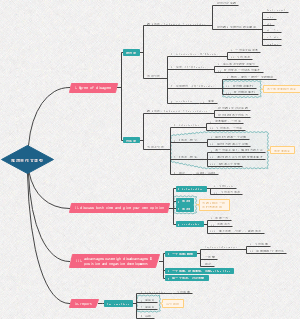
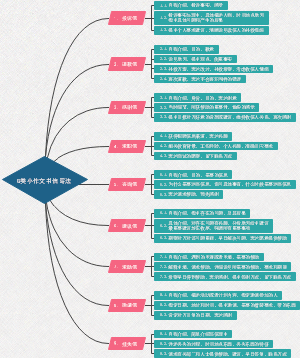
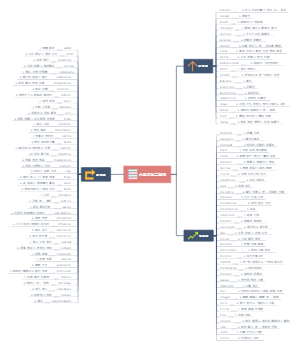
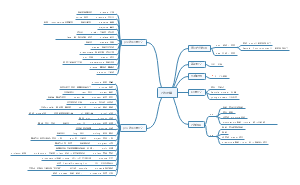
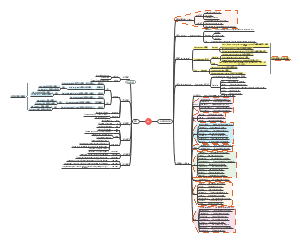
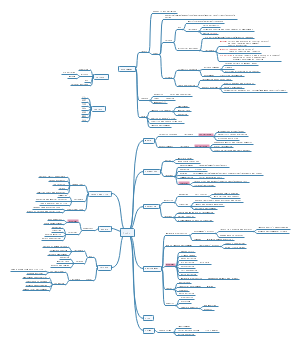
这是 PET 英语语法情态动词用法思维导图,系统梳理情态动词的通用规则、请求许可、建议、义务必要性以及推测可能性等核心考点。首先说明情态动词通用规则:can、could、may、might、must、shall、should、will、would 后直接接动词原形,不加‑s、‑ed 或‑ing;否定形式直接在后面加 not;还介绍了 ought to 与 need 这类特殊词汇的用法。接着整理请求他人做事,can、could、will、would 体现语气礼貌层级,could、would 语气更为委婉;同时梳理请求、给予及拒绝许可时 can 与 could 的用法,区分肯定、否定句式。之后归纳提出建议与主动提供帮助的各类句式,包含 shall、Why don't、Let's、How about 等表达形式。在义务、必要性与建议板块,重点辨析 must 与 mustn't、don't have to 的含义;细致拆解实义动词 need 与情态动词 need 的肯定、否定、疑问以及过去时态用法;区分 must、should、ought to、could 的建议强弱等级。最后讲解表达确定性、可能性和能力,运用 must 做肯定推测,用 may、might、could 表示事情有可能发生,can't 用于否定推测。整张导图搭配典型例句,梳理易混点,方便学习者辨析不同情态动词语气差异。无论备考 PET 的考生、初中英语学习者或是想要巩固情态动词基础的自学爱好者,都可以借助这份导图理清情态动词的各类考点。
提示: 本内容由社区用户上传并分享。平台不对内容的真实性、合法性、知识产权归属及是否侵害第三方权利进行事前审核或保证。本内容可能包含受版权保护的图片、字体或其他第三方素材,使用前请自行确认授权范围。
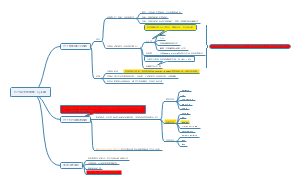
这张 PET 英语语法思维导图系统归纳各类英语连接词的用法。首先是原因类连接词 because、as、since,because of 后面接名词短语;回答 why 提问只能使用 because,不能用 as 或 since。结果类 so 一般放在句中,therefore 多用于书面、常置于句首,还提供了句式改写和同义互换的练习思路。目的类 to 和 in order to 用来解释行为目的,也可以直接回答 why 引导的问句。转折让步部分,but 放在句中;although 与 though 语气更强,切记二者不可以和 but 同时连用,位置可以是句首或者句中;in spite of 与 despite 后面只能接名词或者名词短语,不能直接接完整句子。并列选择结构 both…and… 表示两者都,可以连接人物、事物或动作;either…or… 表达二选一。最后梳理时间连接词 when、until、before、after、as soon as、while,重点强调时间状语从句描述将来事件时,从句要使用一般现在时,不可以使用 will。导图按语义类别整理连接词,区分句式位置、搭配限制与易错禁忌,配套例句帮助辨析,理清考试高频易错点。无论备考 PET 英语、整理初中连词知识点或是做语法专项复习的人员,都可以借助这份导图梳理记忆。
这张 PET 英语语法思维导图梳理了 So、Such、Enough、Too 的相关用法。首先讲解 so 和 such 的强调用法,so 后直接搭配形容词或者副词;遇到名词时,so 后面只能接 many/few/much/little 再加名词。such 后面一般接(a)形容词再加名词,也可以搭配 a lot of 再加名词,要区分单数可数名词、复数名词以及不可数名词的不同形式。接着介绍 so…that 与 such…that 引导的结果状语从句,so 后接形容词或副词,such 后接名词短语,由 that 引出事件带来的结果,并且配有多组例句示范句式。之后讲解 enough 和 too 的用法,二者含义不同,enough 代表 “足够”,属于肯定含义;too 代表 “太过、过多”,带有否定倾向。在句中的放置位置有明确区别,enough 放在名词前面,放在形容词、副词后面;too 放在 many/much 或者形容词、副词之前。思维导图还整理了和不定式的搭配,too…to 含义为 “太…… 而不能”,enough…to 含义为 “足够…… 可以”,并且点明二者之间可以进行同义句转换,另外还补充了 too/enough 后接 for somebody 或者 something 的句式。整张导图区分易混词汇,整理位置规则与句型转换要点,梳理考试高频考点。无论备考 PET 英语、巩固初中英语基础语法或是做专项刷题复习的人员,都可以借助这份导图理清知识点。
这张 PET 英语语法思维导图讲解定语从句,首先解释什么是定语从句,它的基本功能是对人、事、地点等补充定义和解释,由 who、which、whose、where、that 这类关系代词进行引导,还通过例句拆解主句、关系代词以及定语从句三个组成部分。接着用表格逐一梳理各个关系代词的用法,who 用来指代人,which 用来指代事物,that 既可以指代人也可以指代事物,能够替代 who 或者 which;where 用于地点,还可以用 at/in which 进行替换;whose 表示所属关系,意思是谁的,这一项不能够用 that 替换,每一项都配套示范例句加深理解。之后重点梳理关系代词可以省略和不可以省略的判定规则,当从句内部已经自带主语,关系代词不作从句的主语时,关系代词可以省略;如果关系代词本身充当从句里面动词的主语,后面没有另外新的主语,这时关系代词就不可以省略,同样借助多组例句对照演示两种情形。整套内容从基础概念、单词用法再到省略判定逐层展开,厘清定语从句的核心考点。无论备考 PET 英语、复习初中定语从句知识点或是做语法专项练习的人员,都可以借助这份导图理清学习重点。
社区模板帮助中心,点此进入>>
这张 PET 英语语法思维导图系统归纳各类英语连接词的用法。首先是原因类连接词 because、as、since,because of 后面接名词短语;回答 why 提问只能使用 because,不能用 as 或 since。结果类 so 一般放在句中,therefore 多用于书面、常置于句首,还提供了句式改写和同义互换的练习思路。目的类 to 和 in order to 用来解释行为目的,也可以直接回答 why 引导的问句。转折让步部分,but 放在句中;although 与 though 语气更强,切记二者不可以和 but 同时连用,位置可以是句首或者句中;in spite of 与 despite 后面只能接名词或者名词短语,不能直接接完整句子。并列选择结构 both…and… 表示两者都,可以连接人物、事物或动作;either…or… 表达二选一。最后梳理时间连接词 when、until、before、after、as soon as、while,重点强调时间状语从句描述将来事件时,从句要使用一般现在时,不可以使用 will。导图按语义类别整理连接词,区分句式位置、搭配限制与易错禁忌,配套例句帮助辨析,理清考试高频易错点。无论备考 PET 英语、整理初中连词知识点或是做语法专项复习的人员,都可以借助这份导图梳理记忆。
这张 PET 英语语法思维导图梳理了 So、Such、Enough、Too 的相关用法。首先讲解 so 和 such 的强调用法,so 后直接搭配形容词或者副词;遇到名词时,so 后面只能接 many/few/much/little 再加名词。such 后面一般接(a)形容词再加名词,也可以搭配 a lot of 再加名词,要区分单数可数名词、复数名词以及不可数名词的不同形式。接着介绍 so…that 与 such…that 引导的结果状语从句,so 后接形容词或副词,such 后接名词短语,由 that 引出事件带来的结果,并且配有多组例句示范句式。之后讲解 enough 和 too 的用法,二者含义不同,enough 代表 “足够”,属于肯定含义;too 代表 “太过、过多”,带有否定倾向。在句中的放置位置有明确区别,enough 放在名词前面,放在形容词、副词后面;too 放在 many/much 或者形容词、副词之前。思维导图还整理了和不定式的搭配,too…to 含义为 “太…… 而不能”,enough…to 含义为 “足够…… 可以”,并且点明二者之间可以进行同义句转换,另外还补充了 too/enough 后接 for somebody 或者 something 的句式。整张导图区分易混词汇,整理位置规则与句型转换要点,梳理考试高频考点。无论备考 PET 英语、巩固初中英语基础语法或是做专项刷题复习的人员,都可以借助这份导图理清知识点。
这张 PET 英语语法思维导图讲解定语从句,首先解释什么是定语从句,它的基本功能是对人、事、地点等补充定义和解释,由 who、which、whose、where、that 这类关系代词进行引导,还通过例句拆解主句、关系代词以及定语从句三个组成部分。接着用表格逐一梳理各个关系代词的用法,who 用来指代人,which 用来指代事物,that 既可以指代人也可以指代事物,能够替代 who 或者 which;where 用于地点,还可以用 at/in which 进行替换;whose 表示所属关系,意思是谁的,这一项不能够用 that 替换,每一项都配套示范例句加深理解。之后重点梳理关系代词可以省略和不可以省略的判定规则,当从句内部已经自带主语,关系代词不作从句的主语时,关系代词可以省略;如果关系代词本身充当从句里面动词的主语,后面没有另外新的主语,这时关系代词就不可以省略,同样借助多组例句对照演示两种情形。整套内容从基础概念、单词用法再到省略判定逐层展开,厘清定语从句的核心考点。无论备考 PET 英语、复习初中定语从句知识点或是做语法专项练习的人员,都可以借助这份导图理清学习重点。
PET英语语法之情态动词用法
制图软件 |万兴脑图 MindMaster 资料来源 | 剑桥PET语法精讲精练·浙江教育出版社 导图绘制 | Snowsunshine
must:主观“必须”用must,否定回答needn't替;must肯定来推测,“一定”“准是”语气急
may/might:许可请示要用may,might更柔更客气;推测“也许”可能性,might比may更迟疑
情态动词速记口诀
can/could:能力许可要用can,过去时态换could;否定疑问表推测,can't表示“不可能”
情态动词加动原,否定not跟身后;若变一般疑问句,它要放在最前头;have to要特殊记,疑问/否定需借用,do/does/did来帮忙
@ Snowsunshine 的思维导图
制图软件 |万兴脑图 MindMaster 资料来源 | 剑桥PET语法精讲精练·浙江教育出版社 导图绘制 | Snowsunshine
PET英语语法之情态动词用法
制图软件 |万兴脑图 MindMaster 资料来源 | 剑桥PET语法精讲精练·浙江教育出版社 导图绘制 | Snowsunshine
表达确定性、可能性和能力
确定性与可能性
确定某事真实与正确时,用must
It must be a pen because that looks like ink.
They must be at home because the light is on.
认为某事有可能时,用might/could/may
It could be a butterfly because those are its wings.
He might be her brother but I'm not sure.
确定某事不真实或不正确,用 can't
It can't be a butterfly because it hasn't got a body.
That can't be Sue's car because hers is at the garage.
对未来不确信时,用might/could/may
I may go to Greece next month. (= it's possible but I'm not certain)
My football team might win the cup.
能力 I can ... I'm able to ... I could ...
"I can"
通常表达我知道怎么做某事或我有可能做某事
一般现在时
can (a modal verb) 情态动词
The children can swim but they can't dive yet. I can help you on Monday but not on Tuesday. Can you say what's in your photo?
be able to (not a modal verb) 非情态动词,不太常用
My grandfather is able to cook his own meals but he isn't able to walk to the shops. I'm not able to answer that question.
一般过去时用 could 或 was able to
He could/was able to walk when he was one.
The athletes couldn't/weren't able to train because the weather was bad.
其他时态时,均用be able to
一般将来时
Team A will be able to come back next week.
现在完成时
Team A hasn't been able to answer the question yet.
不定式
Team A hopes to be able to come back next week.
表达许可、帮助和请求时
可使用 can 或 could
表达义务、必要性与建议
义务 (Obligation) mustn't / don't have to
禁止做某事 mustn't = don't do it (a rule)
例句
We mustn't use mobile phones. I mustn't use a diary.
替代说法
It's not allowed / We're not allowed to use mobile phones.
不必要 don't have to = it's not necessary
例句
We don't have to take our own clothes.
必要性 (Necessity) need
肯定句与疑问句用法
Need 是普通动词 (normal verb),后跟to
I need to buy some bread.
Do you need to take any food with you?
否定句用法
情态动词
You needn't worry.
普通动词用法
You don't need to worry.
语义等价关系
Needn't 和 don't need to = it isn't necessary = don't have to
You needn't worry. = You don't need to worry. = You don't have to worry.
过去时态用法
肯定
They needed to look after the animals. = It was necessary to look after the animals.
否定
They didn't need to work hard. = It wasn't necessary to work hard.
疑问
Did they need to grow their own food? = Was it necessary to grow their own food?
命令与建议 (Orders and advice)
常用词汇
must, should, ought to, could
建议强度等级
强烈建议
You must check the details.
一般建议/应该
You should / ought to take a diary.
较弱建议
You could take some books.
否定形式规则
在否定句中,使用 shouldn't 或 ought not to
You shouldn't sign the letter. You ought not to go there.
特殊注意事项
不用 couldn't 来给建议
谈论该做的正确事情时, 使用 should 和 ought to
I should learn to cook. We ought to send her a postcard. I shouldn't worry so much. I ought not to eat that cake.
表达必须、不得不(must and have to)
must
情态动词
You must go.
have to
非情态动词
I have to go. He has to go.
使用场景
must
下命令或给建议
You must read the letter carefully.
表达某件事很重要
I must phone my friends.
have to
讨论规则
I have to wear a microphone. She has to follow the rules in the castle.
时态用法
一般现在时must与have to均可使用,其他时态只用have to
一般过去时
肯定
I had to go home.
否定
I didn't have to go home.
疑问
Did he have to go home?
一般将来时
肯定
I will have to go home.
否定
I won't have to go home.
疑问
Will I have to go home?
现在完成时
肯定
She's had to go home.
否定
She hasn't had to go home yet.
疑问
Has she had to go home yet?
请求、给予及拒绝许可 (Can/Could)
语气态度
Less polite (较不礼貌/直接)
More polite (更礼貌)
疑问句
Can I sit here?
Could / May I sit here?
肯定回答
Yes, of course. / Certainly. (etc.)
否定回答
I'm afraid not. / Sorry. (etc.)
肯定句
You can borrow my camera.
We can finish work early tomorrow.
否定句
情态动词后直接加not
You can't use the phone.
提出建议与主动提供帮助
提出建议 (suggestion)
常用表达
Shall I/we move some tables outside? I can make one of my special recipes if you like.
不确定对方是否 接受提议时
We could serve more interesting food perhaps.
其他表达方式
Why don't I/we move some tables outside?
Let's move some tables outside.
How about / What about moving some tables outside?
注意事项
how about/ what about 后需用doing的形式
主动提供帮助 (Making offers)
常用句型
Shall I put the advert back in the window?
请求他人做事 (can, could, will, would)
语气态度
Less polite (较不礼貌/直接)
More polite (更礼貌)
疑问句
Can / Will you help me?
Could / Would you help me?
肯定回答
Yes, of course. / Certainly. (etc.)
否定回答
I'm afraid not. / Sorry. (etc.)
注意事项
从不使用 May you来询问别人能否做某事
情态动词通用规则
常见情态动词
can, could, may, might, must, shall, should, will, would
核心特征
永不加 -s、-ed 或 -ing
后接动词原形
He might help.
否定形式
直接在情态动词后加not
That will not / won't be necessary.
疑问句形式
情态动词前置
Could you sweep the floor?
特殊词汇说明
Ought to
组合使用,to不能丢
They ought to help.
Need
可作情态动词也可作实义动词
PET英语语法之情态动词用法
@ Snowsunshine 的思维导图
制图软件 |万兴脑图 MindMaster 资料来源 | 剑桥PET语法精讲精练·浙江教育出版社 导图绘制 | Snowsunshine
请求、给予及拒绝许可 (Can/Could)
语气态度
Less polite (较不礼貌/直接)
More polite (更礼貌)
疑问句
Can I sit here?
Could / May I sit here?
肯定回答
Yes, of course. / Certainly. (etc.)
否定回答
I'm afraid not. / Sorry. (etc.)
肯定句
You can borrow my camera.
We can finish work early tomorrow.
否定句
情态动词后直接加not
You can't use the phone.
提出建议与主动提供帮助
提出建议 (suggestion)
常用表达
Shall I/we move some tables outside? I can make one of my special recipes if you like.
不确定对方是否 接受提议时
We could serve more interesting food perhaps.
其他表达方式
Why don't I/we move some tables outside?
Let's move some tables outside.
How about / What about moving some tables outside?
注意事项
how about/ what about 后需用doing的形式
主动提供帮助 (Making offers)
常用句型
Shall I put the advert back in the window?
情态动词通用规则
常见情态动词
can, could, may, might, must, shall, should, will, would
核心特征
永不加 -s、-ed 或 -ing
后接动词原形
He might help.
否定形式
直接在情态动词后加not
That will not / won't be necessary.
疑问句形式
情态动词前置
Could you sweep the floor?
特殊词汇说明
Ought to
组合使用,to不能丢
They ought to help.
Need
可作情态动词也可作实义动词
PET英语语法之情态动词用法
@ Snowsunshine 的思维导图
制图软件 |万兴脑图 MindMaster 资料来源 | 剑桥PET语法精讲精练·浙江教育出版社 导图绘制 | Snowsunshine
表达必须、不得不(must and have to)
must
情态动词
You must go.
have to
非情态动词
I have to go. He has to go.
使用场景
must
下命令或给建议
You must read the letter carefully.
表达某件事很重要
I must phone my friends.
have to
讨论规则
I have to wear a microphone. She has to follow the rules in the castle.
时态用法
一般现在时must与have to均可使用,其他时态只用have to
一般过去时
肯定
I had to go home.
否定
I didn't have to go home.
疑问
Did he have to go home?
一般将来时
肯定
I will have to go home.
否定
I won't have to go home.
疑问
Will I have to go home?
现在完成时
肯定
She's had to go home.
否定
She hasn't had to go home yet.
疑问
Has she had to go home yet?
请求他人做事 (can, could, will, would)
语气态度
Less polite (较不礼貌/直接)
More polite (更礼貌)
疑问句
Can / Will you help me?
Could / Would you help me?
肯定回答
Yes, of course. / Certainly. (etc.)
否定回答
I'm afraid not. / Sorry. (etc.)
注意事项
从不使用 May you来询问别人能否做某事
PET英语语法之情态动词用法
@ Snowsunshine 的思维导图
制图软件 |万兴脑图 MindMaster 资料来源 | 剑桥PET语法精讲精练·浙江教育出版社 导图绘制 | Snowsunshine
表达义务、必要性与建议
义务 (Obligation) mustn't / don't have to
禁止做某事 mustn't = don't do it (a rule)
例句
We mustn't use mobile phones. I mustn't use a diary.
替代说法
It's not allowed / We're not allowed to use mobile phones.
不必要 don't have to = it's not necessary
例句
We don't have to take our own clothes.
必要性 (Necessity) need
肯定句与疑问句用法
Need 是普通动词 (normal verb),后跟to
I need to buy some bread.
Do you need to take any food with you?
否定句用法
情态动词
You needn't worry.
普通动词用法
You don't need to worry.
语义等价关系
Needn't 和 don't need to = it isn't necessary = don't have to
You needn't worry. = You don't need to worry. = You don't have to worry.
过去时态用法
肯定
They needed to look after the animals. = It was necessary to look after the animals.
否定
They didn't need to work hard. = It wasn't necessary to work hard.
疑问
Did they need to grow their own food? = Was it necessary to grow their own food?
命令与建议 (Orders and advice)
常用词汇
must, should, ought to, could
建议强度等级
强烈建议
You must check the details.
一般建议/应该
You should / ought to take a diary.
较弱建议
You could take some books.
否定形式规则
在否定句中,使用 shouldn't 或 ought not to
You shouldn't sign the letter. You ought not to go there.
特殊注意事项
不用 couldn't 来给建议
谈论该做的正确事情时, 使用 should 和 ought to
I should learn to cook. We ought to send her a postcard. I shouldn't worry so much. I ought not to eat that cake.
PET英语语法之情态动词用法
must:主观“必须”用must,否定回答needn't替;must肯定来推测,“一定”“准是”语气急
may/might:许可请示要用may,might更柔更客气;推测“也许”可能性,might比may更迟疑
情态动词速记口诀
can/could:能力许可要用can,过去时态换could;否定疑问表推测,can't表示“不可能”
情态动词加动原,否定not跟身后;若变一般疑问句,它要放在最前头;have to要特殊记,疑问/否定需借用,do/does/did来帮忙
@ Snowsunshine 的思维导图
制图软件 |万兴脑图 MindMaster 资料来源 | 剑桥PET语法精讲精练·浙江教育出版社 导图绘制 | Snowsunshine
表达确定性、可能性和能力
确定性与可能性
确定某事真实与正确时,用must
It must be a pen because that looks like ink.
They must be at home because the light is on.
认为某事有可能时,用might/could/may
It could be a butterfly because those are its wings.
He might be her brother but I'm not sure.
确定某事不真实或不正确,用 can't
It can't be a butterfly because it hasn't got a body.
That can't be Sue's car because hers is at the garage.
对未来不确信时,用might/could/may
I may go to Greece next month. (= it's possible but I'm not certain)
My football team might win the cup.
能力 I can ... I'm able to ... I could ...
"I can"
通常表达我知道怎么做某事或我有可能做某事
一般现在时
can (a modal verb) 情态动词
The children can swim but they can't dive yet. I can help you on Monday but not on Tuesday. Can you say what's in your photo?
be able to (not a modal verb) 非情态动词,不太常用
My grandfather is able to cook his own meals but he isn't able to walk to the shops. I'm not able to answer that question.
一般过去时用 could 或 was able to
He could/was able to walk when he was one.
The athletes couldn't/weren't able to train because the weather was bad.
其他时态时,均用be able to
一般将来时
Team A will be able to come back next week.
现在完成时
Team A hasn't been able to answer the question yet.
不定式
Team A hopes to be able to come back next week.
表达许可、帮助和请求时
可使用 can 或 could