导图社区 PET英语语法之介词用法(Unit 17-19)
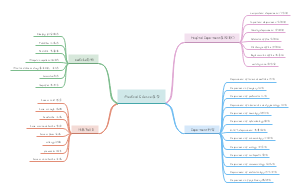
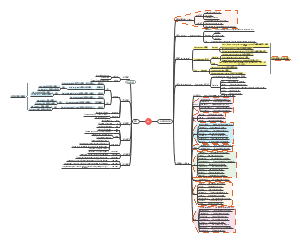
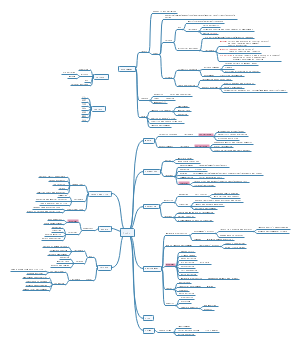
这是 PET 英语语法 Unit17‑19 介词用法思维导图,依据剑桥 PET 语法精讲精练整理,系统梳理介词的各类考点。导图首先讲解 in、on、at 用于地点与时间的基础用法,区分方位含义;同时归纳 into、onto、out of 这类表达路径移动的介词。方位介词板块辨析 across、through、over、under、between、among 等,结合图示区分易混方位介词,理清物体位置关系。时间介词部分重点拆解 at、on、in 的时间搭配规则,细化时刻、星期、日期、月份、季节、年份的选用,整理相关时间短语。之后归纳介词与动词的固定搭配,细分不同动词后面接续的介词;再梳理形容词和介词的常用搭配,整理大量高频词组。最后是短语动词板块,对短语动词进行分类,区分不同构成形式,整理一批 PET 高频的短语动词实例。整张导图整合时间介词、地点方位介词、移动介词,着重辨析容易混淆的介词用法,汇总动词、形容词的介词固定搭配与短语动词,梳理考试高频固定词组,方便对比记忆。无论备考 PET 的考生、初中英语学习者或是想要巩固介词搭配的英语自学爱好者,都可以借助这张导图梳理介词的相关考点。
提示: 本内容由社区用户上传并分享。平台不对内容的真实性、合法性、知识产权归属及是否侵害第三方权利进行事前审核或保证。本内容可能包含受版权保护的图片、字体或其他第三方素材,使用前请自行确认授权范围。
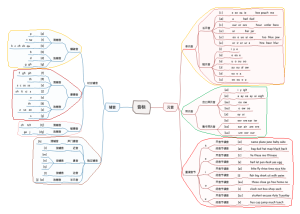
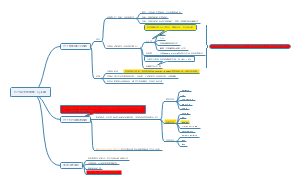
这是 PET 英语语法 Unit20 动词‑ing 形式用法的思维导图,分成四大模块归纳动名词的常见考点。第一部分是‑ing 形式作主语,可以直接把动词‑ing 放在句首充当句子主语;也可以加上名词一起构成短语作主语;标识、公共通知里还经常使用‑ing 或者 No +‑ing 的形式表示禁令,并配有例句示范。第二部分讲解 before, after, when, while, since 后接‑ing 的用法:before 和 after 体现动作发生的先后顺序;when+‑ing 表达两个动作同步发生;while+‑ing 代表一个动作穿插在另一个动作进行的过程当中;since+‑ing 表示从某个动作发生之后延续至今;同时特别提示,置于句首时‑ing 形式的主语必须和主句主语保持一致。第三部分梳理 by、without、for 后接‑ing,这一组介词后面搭配动名词,主要用来说明做事的方式手段,表达 “凭借、不用、为了” 的含义。第四部分为 go 和 come 后面接‑ing,go +‑ing 多用于表达去参加某项户外活动;come +‑ing 用于邀约对方一同参与活动。整张导图分类清晰,每个知识点都附上典型例句,把 PET 考试里动名词的高频用法整理出来,方便区分记忆。无论备考 PET 的考生、初中英语学习者或是想要理清动名词用法的自学爱好者,都可以借助这份导图巩固动词‑ing 相关语法。
这是 PET 英语语法 Unit17‑19 介词用法思维导图,依据剑桥 PET 语法精讲精练整理,系统梳理介词的各类考点。导图首先讲解 in、on、at 用于地点与时间的基础用法,区分方位含义;同时归纳 into、onto、out of 这类表达路径移动的介词。方位介词板块辨析 across、through、over、under、between、among 等,结合图示区分易混方位介词,理清物体位置关系。时间介词部分重点拆解 at、on、in 的时间搭配规则,细化时刻、星期、日期、月份、季节、年份的选用,整理相关时间短语。之后归纳介词与动词的固定搭配,细分不同动词后面接续的介词;再梳理形容词和介词的常用搭配,整理大量高频词组。最后是短语动词板块,对短语动词进行分类,区分不同构成形式,整理一批 PET 高频的短语动词实例。整张导图整合时间介词、地点方位介词、移动介词,着重辨析容易混淆的介词用法,汇总动词、形容词的介词固定搭配与短语动词,梳理考试高频固定词组,方便对比记忆。无论备考 PET 的考生、初中英语学习者或是想要巩固介词搭配的英语自学爱好者,都可以借助这张导图梳理介词的相关考点。
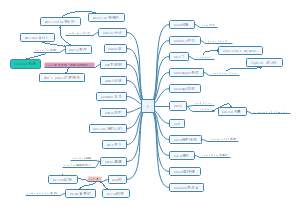
这是 PET 英语语法 Unit16 疑问句思维导图,一共分为四大模块系统梳理疑问句相关语法知识点。第一部分是一般疑问句,定义为用 yes 或 no 回答的问句;梳理语序规则,be 动词置于主语之前;情态动词、助动词移到主语前面;一般现在时、一般过去时需要借助 do/does/did 构成疑问;同时展示肯定回答与否定回答的句式范例。第二部分讲解特殊疑问句,整理各类疑问词,分为 6W(who、what、when、where、which、whose)与 1H(how 相关衍生词组 how often、how far 等);专门辨析 like 在特殊疑问句里的三种用法:like 表喜欢、be like 询问性格品质、look like 询问外貌,并搭配例句辅助区分。第三部分针对疑问句中对动词主语提问的特殊情况,重点说明对主语提问时,句子语序不用改变,不需要额外使用 do、does、did;举例对比普通提问和主语提问的句式差异,也讲解 who 作主语时谓语动词的单复数问题。第四部分是疑问句与部分倒装句,讲解 agreeing with statements 即附和语句,so 用于肯定句的附和,neither/nor 用于否定句的附和;分别演示 be 动词、情态动词搭配倒装的句式实例。整张导图归纳语序易错点,整理典型例句,厘清学生容易混淆的提问结构。无论备考 PET 的考生、初中英语学习者或是希望夯实问句语法基础的自学爱好者,都可以借助这张导图梳理疑问句的用法。
社区模板帮助中心,点此进入>>
这是 PET 英语语法 Unit20 动词‑ing 形式用法的思维导图,分成四大模块归纳动名词的常见考点。第一部分是‑ing 形式作主语,可以直接把动词‑ing 放在句首充当句子主语;也可以加上名词一起构成短语作主语;标识、公共通知里还经常使用‑ing 或者 No +‑ing 的形式表示禁令,并配有例句示范。第二部分讲解 before, after, when, while, since 后接‑ing 的用法:before 和 after 体现动作发生的先后顺序;when+‑ing 表达两个动作同步发生;while+‑ing 代表一个动作穿插在另一个动作进行的过程当中;since+‑ing 表示从某个动作发生之后延续至今;同时特别提示,置于句首时‑ing 形式的主语必须和主句主语保持一致。第三部分梳理 by、without、for 后接‑ing,这一组介词后面搭配动名词,主要用来说明做事的方式手段,表达 “凭借、不用、为了” 的含义。第四部分为 go 和 come 后面接‑ing,go +‑ing 多用于表达去参加某项户外活动;come +‑ing 用于邀约对方一同参与活动。整张导图分类清晰,每个知识点都附上典型例句,把 PET 考试里动名词的高频用法整理出来,方便区分记忆。无论备考 PET 的考生、初中英语学习者或是想要理清动名词用法的自学爱好者,都可以借助这份导图巩固动词‑ing 相关语法。
这是 PET 英语语法 Unit17‑19 介词用法思维导图,依据剑桥 PET 语法精讲精练整理,系统梳理介词的各类考点。导图首先讲解 in、on、at 用于地点与时间的基础用法,区分方位含义;同时归纳 into、onto、out of 这类表达路径移动的介词。方位介词板块辨析 across、through、over、under、between、among 等,结合图示区分易混方位介词,理清物体位置关系。时间介词部分重点拆解 at、on、in 的时间搭配规则,细化时刻、星期、日期、月份、季节、年份的选用,整理相关时间短语。之后归纳介词与动词的固定搭配,细分不同动词后面接续的介词;再梳理形容词和介词的常用搭配,整理大量高频词组。最后是短语动词板块,对短语动词进行分类,区分不同构成形式,整理一批 PET 高频的短语动词实例。整张导图整合时间介词、地点方位介词、移动介词,着重辨析容易混淆的介词用法,汇总动词、形容词的介词固定搭配与短语动词,梳理考试高频固定词组,方便对比记忆。无论备考 PET 的考生、初中英语学习者或是想要巩固介词搭配的英语自学爱好者,都可以借助这张导图梳理介词的相关考点。
这是 PET 英语语法 Unit16 疑问句思维导图,一共分为四大模块系统梳理疑问句相关语法知识点。第一部分是一般疑问句,定义为用 yes 或 no 回答的问句;梳理语序规则,be 动词置于主语之前;情态动词、助动词移到主语前面;一般现在时、一般过去时需要借助 do/does/did 构成疑问;同时展示肯定回答与否定回答的句式范例。第二部分讲解特殊疑问句,整理各类疑问词,分为 6W(who、what、when、where、which、whose)与 1H(how 相关衍生词组 how often、how far 等);专门辨析 like 在特殊疑问句里的三种用法:like 表喜欢、be like 询问性格品质、look like 询问外貌,并搭配例句辅助区分。第三部分针对疑问句中对动词主语提问的特殊情况,重点说明对主语提问时,句子语序不用改变,不需要额外使用 do、does、did;举例对比普通提问和主语提问的句式差异,也讲解 who 作主语时谓语动词的单复数问题。第四部分是疑问句与部分倒装句,讲解 agreeing with statements 即附和语句,so 用于肯定句的附和,neither/nor 用于否定句的附和;分别演示 be 动词、情态动词搭配倒装的句式实例。整张导图归纳语序易错点,整理典型例句,厘清学生容易混淆的提问结构。无论备考 PET 的考生、初中英语学习者或是希望夯实问句语法基础的自学爱好者,都可以借助这张导图梳理疑问句的用法。
PET英语语法之介词用法(Unit 17-19)
@ Snowsunshine 的思维导图
制图软件 |万兴脑图 MindMaster 资料来源 | 剑桥PET语法精讲精练·浙江教育出版社 导图绘制 | Snowsunshine
类别
介词
例句
介词
用法
适用范围
例句
制图软件 |万兴脑图 MindMaster 资料来源 | 剑桥PET语法精讲精练·浙江教育出版社 导图绘制 | Snowsunshine
形容词介词搭配与短语动词
介词搭配与动词用法
In, On, At的常见用法及表达动态移动的介词
方位介词常见用法
时间介词常见用法
Phrasal verbs (短语动词)
基本定义
通常由两到三个单词组成(主要动词 + 副词/介词)
语义分类与用法
字面意义清晰类
put down:放下
Please put down your pencils.
整体习语意义类
look after:照顾
He looks after his little brother.
look out:当心
Look out! There's a car coming.
look up:查阅
They looked up the word in the dictionary.
look forward to:期待
I am looking forward to meeting them.
一词多义类
put on
穿衣
She put on her clothes. =She got dressed.
体重增加
She put on weight. =Her weight increased.
打开电器
She put on the television. =She switched the television on.
PET考试高频 短语动词
fill in: 填写表格
They've already started to fill in the forms.
find out: 发现/查明
I'll find out and get back to you.
get into: 进入
The man got into the building through the window.
get out of: 离开
Let's get out of this place.
get on with: 与人相处融洽
You usually get on well with your classmates.
get up: 起床
I generally get up at six.
give back: 归还某物给某人
I was trying to give back your bag! You dropped it.
give up: 停止做某事,放弃
I give up—tell me the answer.
go on: 继续
Tickets go on sale this week.
go with: 相配
Does this jacket go with this skirt?
hang up:挂断电话
Don't hang up on me—we must talk!
hold up: 延迟
He was held up for three-quarters of an hour by a traffic jam.
join in: 参与
Why not join in a panda volunteer program?
leave out: 不包括,不提及
You can leave out the third sentence.
look for :找寻
Many people always look for happiness.
look forward to: 期待
I'm looking forward to congratulating you on your exam results.
look through: 浏览,查看
Take this application form and I'll look through it with you.
put off: 推迟
Don't put off today's work for tomorrow.
put through: 接通电话
I was put through to a detective and told him what I'd seen.
run out of: 用完
They have run out of ideas.
set off / set out: 开始旅程
Last night I had dinner with some friends and set off around eleven o'clock to walk home.
take away: 拿走/移除
Policemen came and took away the car.
take off: 脱掉衣物,起飞
Mary was waiting for the airplane to take off.
turn into: 变成
I 'd planned a quiet walk, but it turned into an adventure!
turn down: 拒绝邀请/提议
I said I could help him but he turned down my offer.
turn up: 到达
Suddenly, a man turned up in a car in front of me.
形容词与介词搭配
结构定义
某些形容词后需接特定介词,再接名词、代词或动名词(-ing)
常用搭配表
good at
He was good at football.
angry with
We were angry with our friends.
angry about
She will be angry about losing the match.
happy/excited/worried etc. about
Were they happy about their exam results?
pleased with
I was pleased with the present.
unkind to
We mustn't be unkind to our cousins.
rude to
Don't be rude to anyone at the party.
polite to
Please be polite to my parents.
interested in
Are you interested in football?
易混淆点辨析
部分动词后接不同介词时,含义完全不同
Ask 的用法对比
ask about : 询问信息
I asked my teacher about the new books.
ask for: 请求给予
I asked my teacher for the new books.
ask sb. to do sth.: 要求某人做某事
I asked my teacher to give me the books.
动词 + 宾语 + 介词
核心规则
某些动词(congratulate, thank, forgive,prevent等)后需接宾语再跟介词
介词后需接名词、代词或动名词 (-ing形式)
常见搭配
He congratulated me on my success.
Thank you for listening to me.
You can forgive them for doing that.
We will prevent the students from leaving.
动词 + 介词
核心规则
在某些动词(apologise, approve, insist,succeed等)后直接跟介词
介词后需接名词、代词或动名词 (-ing形式)
常见搭配
They apologised for starting without me.
She doesn't approve of that.
They insist on applying for the same university.
Your sister may succeed in getting places at university.
介词固定表达
事物状态 (Things can be)
in stock
for sale
for hire
on fire
行为方式 (We do things)
by chance
by accident
by mistake
in secret
in private
in public
on purpose
人物状态 (We can be)
at work
at home
at school
at university
at lunch
in love
in danger
in bed
in a hurry
on the phone
交通方式 (We go somewhere)
by air/land/sea/road
by plane/car/bus/rail/train/bike
on foot
on holiday
on business
讨论时间段
For
表示将提及的时间有多长
I run every day for one or two hours.
In
表示将提及的时间有多久
In ten days there's one of my favourite events.
In 与 during
谈论一段时间时意思相同
There will be some good sport in/during the next few months.
讨论活动或事件等特定情况下用during
It rained during the match. (= The players were playing tennis when the rain started.)
讨论时间点
Until/Till
表示动作/状态一直持续到该时刻才停止或改变,侧重过程与延续,肯定句需搭配延续性动词(如 stay, wait, work)
Don't wait until/till July to get your tickets. = Buy your tickets before July.
They played until/till it got dark. = They stopped when it got dark.
By
表示动作在该时间之前或当时已完成,侧重结果与期限,常搭配短暂性动词或完成时态(如 finish, arrive, submit)
Can you clean the car by four o'clock? = Will the car be clean before or at four o'clock?
一些特例
某些词前不用介词
today, tomorrow, yesterday
this/next/last
Next month there's the Cup Final.
in the end VS at the end
in the end = the final result 最终的结果
I looked everywhere for my shoe. In the end I found it under my bed.
at the end = the last event 在结束时,最后
The film was very exciting with a long car chase at the end.
on time VS in time
on time = at the correct time 准时、按时
If the train's on time, I'll be home at six.
in time = early enough 足够早、及时地
If we leave now, we'll be home in time to see the news.
In
与一天中的某个时段、月、季度、年、几十年、世纪等词搭配: parts of the day, months, seasons, years, decades, centuries
in the afternoon/morning/evening
at night是特例
in July
in (the) summer
in 1953
in the 90s
in the twenty-first century
On
用于具体日期、星期和特殊的日子: dates, days of the week, special days
on 8th July
on Sunday
on my birthday
on the day of the race
固定用法
at the weekend
at first (= at the beginning)
at last (= finally)
at present / at the moment (= now)
At
用于某个时间点、季节性节日/假期等: a point of time, seasonal holidays
at the beginning/end of the month
at six o'clock
at sunrise
at lunchtime
at Christmas
位置关系类
有接触关系的
under:在下面
DVD player is under the television.
on top of:在上面
Magazine is on top of the television.
非接触关系的
below/under:在下面
Books are below/under the DVD player.
above/over:在上面
Picture is above/over the television.
前后位置关系
in front of: 在...前面
The woman is in front of the television.
behind: 在...后面
The television is behind the woman.
介于两者之间
between: 适用于人、事、地点等
The mother is between her sons.
旁边/紧邻
by, beside, next to: 在…旁边,挨着
The girl is by/beside/next to her father.
相对/对面
opposite:在…对面
The girl is opposite her mother.
路径移动类
Along: 沿着
I followed the man along the river.
Through: 穿过内部
through the wood
Round: 环绕、绕着
round the car park
Across vs Over:在...对面/另一边
Cottages are across/over the lake. =They're the other side of the lake from here.
语境特例
above/below 用于书中指引
Please do the exercise below.
At
事件发生地
电影院、车站、某人家、学校
Did you have a good time at Alex's house?
I saw that film at the local cinema.
活动场合
聚会、会议、音乐会
My favourite band played at the concert.
There were lots of students at the conference.
特定位置描述
顶部、底部、侧面
Please sign this form at the bottom of this page.
与arrive搭配使用
一般用于具体的地点
When you arrive at your cottage you'll find details...
与国家和城市连用时例外,要用 in
When do we arrive in Athens?
约定见面的地点
I'll see you at the station.
指路时 (give directions)
Go left at the traffic lights.
On
用于地理区域
岛屿、海岸
There is a barbecue on the island twice a week.
用于表面
墙壁、地板、天花板
I put the picture on the wall.
用于公共交通工具
公交车、火车、飞机等
I do my homework on the bus.
In
用于大的地点与封闭空间
大陆、国家、城镇、公园、花园、建筑物、房间等
You can cycle anywhere in the park.
Uruguay is in South America.
用于容器与文件
橱柜、盒子、包、钱包、书、文件等
There's a lot of money in this bag.
We found a picture of the castle in our guide book.
用于交通工具
小汽车或出租车
They arrived in a taxi.
Into, Onto, Off, Out of
上车/下车
We got onto/off the bus.
进/出商店
He walked into/out of the shop.
PET英语语法之介词用法(Unit 17-19)
@ Snowsunshine 的思维导图
类别
介词
例句
介词
用法
适用范围
例句
制图软件 |万兴脑图 MindMaster 资料来源 | 剑桥PET语法精讲精练·浙江教育出版社 导图绘制 | Snowsunshine
In, On, At的常见用法及表达动态移动的介词
方位介词常见用法
位置关系类
有接触关系的
under:在下面
DVD player is under the television.
on top of:在上面
Magazine is on top of the television.
非接触关系的
below/under:在下面
Books are below/under the DVD player.
above/over:在上面
Picture is above/over the television.
前后位置关系
in front of: 在...前面
The woman is in front of the television.
behind: 在...后面
The television is behind the woman.
介于两者之间
between: 适用于人、事、地点等
The mother is between her sons.
旁边/紧邻
by, beside, next to: 在…旁边,挨着
The girl is by/beside/next to her father.
相对/对面
opposite:在…对面
The girl is opposite her mother.
路径移动类
Along: 沿着
I followed the man along the river.
Through: 穿过内部
through the wood
Round: 环绕、绕着
round the car park
Across vs Over:在...对面/另一边
Cottages are across/over the lake. =They're the other side of the lake from here.
语境特例
above/below 用于书中指引
Please do the exercise below.
At
事件发生地
电影院、车站、某人家、学校
Did you have a good time at Alex's house?
I saw that film at the local cinema.
活动场合
聚会、会议、音乐会
My favourite band played at the concert.
There were lots of students at the conference.
特定位置描述
顶部、底部、侧面
Please sign this form at the bottom of this page.
与arrive搭配使用
一般用于具体的地点
When you arrive at your cottage you'll find details...
与国家和城市连用时例外,要用 in
When do we arrive in Athens?
约定见面的地点
I'll see you at the station.
指路时 (give directions)
Go left at the traffic lights.
On
用于地理区域
岛屿、海岸
There is a barbecue on the island twice a week.
用于表面
墙壁、地板、天花板
I put the picture on the wall.
用于公共交通工具
公交车、火车、飞机等
I do my homework on the bus.
In
用于大的地点与封闭空间
大陆、国家、城镇、公园、花园、建筑物、房间等
You can cycle anywhere in the park.
Uruguay is in South America.
用于容器与文件
橱柜、盒子、包、钱包、书、文件等
There's a lot of money in this bag.
We found a picture of the castle in our guide book.
用于交通工具
小汽车或出租车
They arrived in a taxi.
Into, Onto, Off, Out of
上车/下车
We got onto/off the bus.
进/出商店
He walked into/out of the shop.
PET英语语法之介词用法(Unit 17-19)
@ Snowsunshine 的思维导图
制图软件 |万兴脑图 MindMaster 资料来源 | 剑桥PET语法精讲精练·浙江教育出版社 导图绘制 | Snowsunshine
时间介词常见用法
讨论时间段
For
表示将提及的时间有多长
I run every day for one or two hours.
In
表示将提及的时间有多久
In ten days there's one of my favourite events.
In 与 during
谈论一段时间时意思相同
There will be some good sport in/during the next few months.
讨论活动或事件等特定情况下用during
It rained during the match. (= The players were playing tennis when the rain started.)
讨论时间点
Until/Till
表示动作/状态一直持续到该时刻才停止或改变,侧重过程与延续,肯定句需搭配延续性动词(如 stay, wait, work)
Don't wait until/till July to get your tickets. = Buy your tickets before July.
They played until/till it got dark. = They stopped when it got dark.
By
表示动作在该时间之前或当时已完成,侧重结果与期限,常搭配短暂性动词或完成时态(如 finish, arrive, submit)
Can you clean the car by four o'clock? = Will the car be clean before or at four o'clock?
一些特例
某些词前不用介词
today, tomorrow, yesterday
this/next/last
Next month there's the Cup Final.
in the end VS at the end
in the end = the final result 最终的结果
I looked everywhere for my shoe. In the end I found it under my bed.
at the end = the last event 在结束时,最后
The film was very exciting with a long car chase at the end.
on time VS in time
on time = at the correct time 准时、按时
If the train's on time, I'll be home at six.
in time = early enough 足够早、及时地
If we leave now, we'll be home in time to see the news.
In
与一天中的某个时段、月、季度、年、几十年、世纪等词搭配: parts of the day, months, seasons, years, decades, centuries
in the afternoon/morning/evening
at night是特例
in July
in (the) summer
in 1953
in the 90s
in the twenty-first century
On
用于具体日期、星期和特殊的日子: dates, days of the week, special days
on 8th July
on Sunday
on my birthday
on the day of the race
固定用法
at the weekend
at first (= at the beginning)
at last (= finally)
at present / at the moment (= now)
At
用于某个时间点、季节性节日/假期等: a point of time, seasonal holidays
at the beginning/end of the month
at six o'clock
at sunrise
at lunchtime
at Christmas
PET英语语法之介词用法(Unit 17-19)
@ Snowsunshine 的思维导图
制图软件 |万兴脑图 MindMaster 资料来源 | 剑桥PET语法精讲精练·浙江教育出版社 导图绘制 | Snowsunshine
介词搭配与动词用法
易混淆点辨析
部分动词后接不同介词时,含义完全不同
Ask 的用法对比
ask about : 询问信息
I asked my teacher about the new books.
ask for: 请求给予
I asked my teacher for the new books.
ask sb. to do sth.: 要求某人做某事
I asked my teacher to give me the books.
动词 + 宾语 + 介词
核心规则
某些动词(congratulate, thank, forgive,prevent等)后需接宾语再跟介词
介词后需接名词、代词或动名词 (-ing形式)
常见搭配
He congratulated me on my success.
Thank you for listening to me.
You can forgive them for doing that.
We will prevent the students from leaving.
动词 + 介词
核心规则
在某些动词(apologise, approve, insist,succeed等)后直接跟介词
介词后需接名词、代词或动名词 (-ing形式)
常见搭配
They apologised for starting without me.
She doesn't approve of that.
They insist on applying for the same university.
Your sister may succeed in getting places at university.
介词固定表达
事物状态 (Things can be)
in stock
for sale
for hire
on fire
行为方式 (We do things)
by chance
by accident
by mistake
in secret
in private
in public
on purpose
人物状态 (We can be)
at work
at home
at school
at university
at lunch
in love
in danger
in bed
in a hurry
on the phone
交通方式 (We go somewhere)
by air/land/sea/road
by plane/car/bus/rail/train/bike
on foot
on holiday
on business
PET英语语法之介词用法(Unit 17-19)
@ Snowsunshine 的思维导图
制图软件 |万兴脑图 MindMaster 资料来源 | 剑桥PET语法精讲精练·浙江教育出版社 导图绘制 | Snowsunshine
形容词介词搭配与短语动词
Phrasal verbs (短语动词)
基本定义
通常由两到三个单词组成(主要动词 + 副词/介词)
语义分类与用法
字面意义清晰类
put down:放下
Please put down your pencils.
整体习语意义类
look after:照顾
He looks after his little brother.
look out:当心
Look out! There's a car coming.
look up:查阅
They looked up the word in the dictionary.
look forward to:期待
I am looking forward to meeting them.
一词多义类
put on
穿衣
She put on her clothes. =She got dressed.
体重增加
She put on weight. =Her weight increased.
打开电器
She put on the television. =She switched the television on.
PET考试高频 短语动词
fill in: 填写表格
They've already started to fill in the forms.
find out: 发现/查明
I'll find out and get back to you.
get into: 进入
The man got into the building through the window.
get out of: 离开
Let's get out of this place.
get on with: 与人相处融洽
You usually get on well with your classmates.
get up: 起床
I generally get up at six.
give back: 归还某物给某人
I was trying to give back your bag! You dropped it.
give up: 停止做某事,放弃
I give up—tell me the answer.
go on: 继续
Tickets go on sale this week.
go with: 相配
Does this jacket go with this skirt?
hang up:挂断电话
Don't hang up on me—we must talk!
hold up: 延迟
He was held up for three-quarters of an hour by a traffic jam.
join in: 参与
Why not join in a panda volunteer program?
leave out: 不包括,不提及
You can leave out the third sentence.
look for :找寻
Many people always look for happiness.
look forward to: 期待
I'm looking forward to congratulating you on your exam results.
look through: 浏览,查看
Take this application form and I'll look through it with you.
put off: 推迟
Don't put off today's work for tomorrow.
put through: 接通电话
I was put through to a detective and told him what I'd seen.
run out of: 用完
They have run out of ideas.
set off / set out: 开始旅程
Last night I had dinner with some friends and set off around eleven o'clock to walk home.
take away: 拿走/移除
Policemen came and took away the car.
take off: 脱掉衣物,起飞
Mary was waiting for the airplane to take off.
turn into: 变成
I 'd planned a quiet walk, but it turned into an adventure!
turn down: 拒绝邀请/提议
I said I could help him but he turned down my offer.
turn up: 到达
Suddenly, a man turned up in a car in front of me.
形容词与介词搭配
结构定义
某些形容词后需接特定介词,再接名词、代词或动名词(-ing)
常用搭配表
good at
He was good at football.
angry with
We were angry with our friends.
angry about
She will be angry about losing the match.
happy/excited/worried etc. about
Were they happy about their exam results?
pleased with
I was pleased with the present.
unkind to
We mustn't be unkind to our cousins.
rude to
Don't be rude to anyone at the party.
polite to
Please be polite to my parents.
interested in
Are you interested in football?