导图社区 医学考博英语语法背诵手册
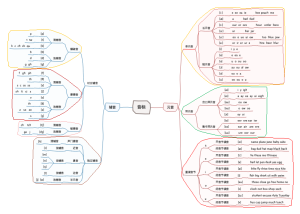
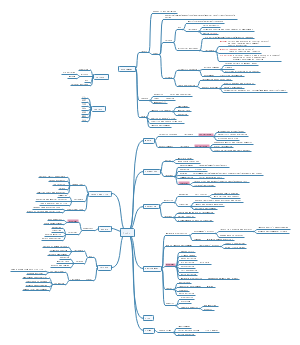
这张思维导图系统梳理了医学考博英语语法百日规划,通过每日一练攻克长难句。全图将语法考点划分为八大核心板块:一、非谓语动词,强调主动与被动、完成式及作定语状语的区别;二、定语从句,涵盖关系代词与关系副词、限制性非限制性及介词前置等考点;三、名词性从句,解析主语、宾语、表语及同位语从句的引导词选型;四、时态与语态,针对医学文献中常见的现在完成时与被动语态进行专项突破;五、虚拟语气,聚焦条件句与含蓄虚拟(如suggest、without、but for)的倒装与固定句式;六、主谓一致,强调单复数、集合名词及“距离、时间、金额”作主语的特定规则;七、倒装与强调,深入剖析完全倒装、部分倒装及It is...that强调句型;八、高频杂项,总结了代词的指代一致、比较级的倍数表达及情态动词推测的微妙差异。规划建议每天翻译10个长难句,坚持“先结构、后词汇、再翻译”三步法。适用人群:备考医学博士英语考试的考生、需阅读外文医学文献的临床医生及医学科研人员。
提示: 本内容由社区用户上传并分享。平台不对内容的真实性、合法性、知识产权归属及是否侵害第三方权利进行事前审核或保证。本内容可能包含受版权保护的图片、字体或其他第三方素材,使用前请自行确认授权范围。
这张思维导图系统梳理了医学考博英语语法百日规划,通过每日一练攻克长难句。全图将语法考点划分为八大核心板块:一、非谓语动词,强调主动与被动、完成式及作定语状语的区别;二、定语从句,涵盖关系代词与关系副词、限制性非限制性及介词前置等考点;三、名词性从句,解析主语、宾语、表语及同位语从句的引导词选型;四、时态与语态,针对医学文献中常见的现在完成时与被动语态进行专项突破;五、虚拟语气,聚焦条件句与含蓄虚拟(如suggest、without、but for)的倒装与固定句式;六、主谓一致,强调单复数、集合名词及“距离、时间、金额”作主语的特定规则;七、倒装与强调,深入剖析完全倒装、部分倒装及It is...that强调句型;八、高频杂项,总结了代词的指代一致、比较级的倍数表达及情态动词推测的微妙差异。规划建议每天翻译10个长难句,坚持“先结构、后词汇、再翻译”三步法。适用人群:备考医学博士英语考试的考生、需阅读外文医学文献的临床医生及医学科研人员。
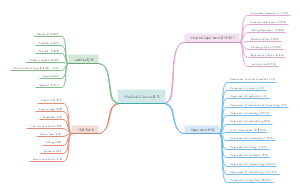
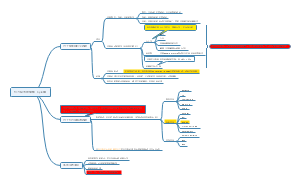
吴雄志脾胃研究,其中补泻用药法:仲景枳朴承气,治在腑阳;叶桂甘凉濡润,治在胃阴;东垣大升阳气,治在脾阳;慎斋甘平淡渗,治在脾阴。
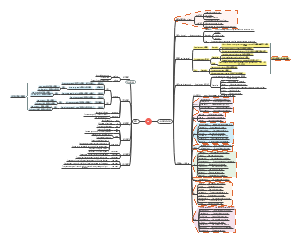
益生菌的常见种类季作用机制:糖化菌(Bacillus mesentericus T0-A)产生的淀粉糖化酶(Amilase)、蛋白分解酶(Protease)等可促进消化,并可使乳酸菌、双歧杆菌增殖活化。
社区模板帮助中心,点此进入>>
这张思维导图系统梳理了医学考博英语语法百日规划,通过每日一练攻克长难句。全图将语法考点划分为八大核心板块:一、非谓语动词,强调主动与被动、完成式及作定语状语的区别;二、定语从句,涵盖关系代词与关系副词、限制性非限制性及介词前置等考点;三、名词性从句,解析主语、宾语、表语及同位语从句的引导词选型;四、时态与语态,针对医学文献中常见的现在完成时与被动语态进行专项突破;五、虚拟语气,聚焦条件句与含蓄虚拟(如suggest、without、but for)的倒装与固定句式;六、主谓一致,强调单复数、集合名词及“距离、时间、金额”作主语的特定规则;七、倒装与强调,深入剖析完全倒装、部分倒装及It is...that强调句型;八、高频杂项,总结了代词的指代一致、比较级的倍数表达及情态动词推测的微妙差异。规划建议每天翻译10个长难句,坚持“先结构、后词汇、再翻译”三步法。适用人群:备考医学博士英语考试的考生、需阅读外文医学文献的临床医生及医学科研人员。
吴雄志脾胃研究,其中补泻用药法:仲景枳朴承气,治在腑阳;叶桂甘凉濡润,治在胃阴;东垣大升阳气,治在脾阳;慎斋甘平淡渗,治在脾阴。
益生菌的常见种类季作用机制:糖化菌(Bacillus mesentericus T0-A)产生的淀粉糖化酶(Amilase)、蛋白分解酶(Protease)等可促进消化,并可使乳酸菌、双歧杆菌增殖活化。
医学考博英语语法背诵手册
使用方法:每条规则只背那"一句话",然后精读 10 个例句,把加粗的结构读熟、背熟。第一遍看译文理解,第二遍盖住译文自己翻译,第三遍只看英文说出考点。建议每天攻一个考点,八天一轮,考前滚动四轮。
一、非谓语动词(第一大考点)
> 规则一句话:主动进行用 doing,被动完成用 done,将来目的用 to do;前面动词决定后面接什么,固定的就靠死记。
The doctor advised taking the medicine twice a day. 医生建议一天服两次药。(advise 后接动名词 doing,不接不定式)
The patient refused to take the prescribed medicine. 病人拒绝服用处方药。(refuse 后固定接不定式 to do)
Seen from this perspective, the disease is preventable. 从这个角度看,这种疾病是可以预防的。(句子主语 disease 与"看"是被动关系,用过去分词作状语)
Walking briskly for 30 minutes daily can lower blood pressure. 每天快走 30 分钟可以降血压。(动名词短语作主语,谓语用单数)
The researchers found the patients recovering faster than expected. 研究人员发现病人恢复得比预期快。(宾语 patients 主动发出动作,用现在分词作宾补)
To determine the cause of death, an autopsy was performed. 为了确定死因,进行了尸检。(不定式作目的状语,"为了……")
The drug, developed over a decade, has finally been approved. 这种历时十年研发的药物终于获批。(过去分词作后置定语,表被动和完成)
I remember giving him the injection yesterday. 我记得昨天给他打过针了。(remember doing = 记得做过的事;remember to do = 记得要去做)
The nurse stopped to check the patient's temperature. 护士停下来去量病人的体温。(stop to do = 停下原来的事去做另一件;stop doing = 停止做某事)
Not having received adequate treatment, the patient deteriorated rapidly. 由于没有接受充分治疗,病人病情迅速恶化。(非谓语的否定式:not 放最前面;分词动作先于谓语发生用 having done)
二、定语从句
> 规则一句话:先行词是人用 who/whom,是物用 which/that,表所属用 whose,表时间地点原因用 when/where/why;介词后面只用 which(物)和 whom(人),绝不用 that。
Patients who smoke are at higher risk of lung cancer. 吸烟的病人患肺癌的风险更高。(先行词是人,从句缺主语,用 who)
The drug that/which was approved last year is now widely used. 去年获批的那种药现在已广泛使用。(先行词是物,that 和 which 通用)
The hospital where he received treatment is a top-tier institution. 他接受治疗的那家医院是顶级机构。(从句不缺主宾,缺地点状语,用 where = in which)
The doctor whose research focuses on acupuncture gave a lecture. 那位研究针灸的医生做了一场讲座。(表所属关系,"……的",用 whose,人和物都可用)
This is the way (in which/that) the virus spreads. 这就是病毒传播的方式。(the way 后的关系词可省略或用 in which,但不可用 how)
All that we know about the disease is still limited. 我们对这种疾病所知的一切仍然有限。(先行词是 all/everything 等不定代词时,只用 that)
He was the first surgeon to perform this operation in China. 他是中国第一位实施这种手术的外科医生。(先行词被序数词/最高级修饰时,用 that 或不定式)
The report contains data, none of which is conclusive. 报告包含一些数据,但没有一项是结论性的。("代词+of+which/whom"结构,指物用 which)
The symptoms, which vary from person to person, include fever and fatigue. 症状因人而异,包括发热和乏力。(非限制性定语从句有逗号,只能用 which,不能用 that)
2020 was the year when the pandemic broke out. 2020 年是疫情暴发的那一年。(从句缺时间状语,用 when = in which)
三、名词性从句(主语、宾语、表语、同位语从句)
> 规则一句话:从句缺成分用 what/who/which,不缺成分只起连接作用用 that,表"是否"用 whether(介词后、句首、or not 前只能用 whether 不用 if)。
What the study shows is encouraging. 这项研究所显示的结果令人鼓舞。(主语从句,从句中 shows 缺宾语,用 what)
The doctor explained that the treatment had some side effects. 医生解释说这种治疗有一些副作用。(宾语从句不缺成分,用 that,常可省略)
Whether the vaccine is safe remains to be tested. 这种疫苗是否安全尚待验证。(句首主语从句表"是否",只能用 whether,不能用 if)
The question is how we can prevent the recurrence. 问题是我们怎样才能防止复发。(表语从句缺方式状语,用 how)
There is no doubt that early diagnosis saves lives. 毫无疑问,早诊断能挽救生命。(doubt 用在否定句中,从句用 that;肯定句用 whether)
The news that the drug trial succeeded spread quickly. 药物试验成功的消息迅速传开。(同位语从句,that 不可省略;从句完整解释 news 的内容)
The doctor was accused of what he had done. 那位医生因自己的所作所为受到指控。(介词后宾语从句缺宾语,用 what)
It is well known that smoking causes cancer. 众所周知,吸烟致癌。(it 作形式主语,that 引导的真正主语从句后置)
I don't know whether he will recover or not. 我不知道他能否康复。(与 or not 直接连用时只能用 whether)
The evidence suggests that diet plays a key role in heart disease. 证据表明饮食在心脏病中起关键作用。(suggest 表"表明"时从句用陈述语气,不用虚拟)
四、时态与语态
> 规则一句话:有明确过去时间状语(ago, last year, in 1990)用一般过去时;强调对现在的影响或与现在的时间段连用(since, so far, in recent years)用现在完成时;医学论文描述实验流程用被动,描述结果用一般过去时。
The patient was diagnosed with diabetes last year. 这位病人去年被诊断出糖尿病。(明确过去时间 → 一般过去时 + 被动语态)
Smoking has been shown to cause lung cancer. 吸烟已被证明会导致肺癌。(强调结论至今成立 → 现在完成时被动)
The researchers have published five papers since 2020. 自 2020 年以来,研究人员已发表五篇论文。(since + 过去时间点 → 现在完成时)
The virus had spread to ten countries before the WHO issued a warning. 在世卫组织发出警告之前,病毒已蔓延到十个国家。(过去的过去 → 过去完成时)
Water boils at 100 degrees Celsius. 水在 100 摄氏度沸腾。(客观真理、科学事实 → 一般现在时)
So far, no effective cure has been found for this disease. 迄今为止,尚未找到这种疾病的有效疗法。(so far / up to now → 现在完成时)
By the end of next year, the project will have been completed. 到明年年底,这个项目将已完成。(by + 将来时间 → 将来完成时)
The doctor is performing an operation now. 医生此刻正在做手术。(now / at present → 现在进行时)
The treatment was being tested on animals at that time. 当时这种疗法正在动物身上进行试验。(at that time → 过去进行时被动)
It is the first time that the technique has been applied clinically. 这是这项技术首次应用于临床。(It is the first time + that 从句 → 从句用现在完成时)
五、虚拟语气
> 规则一句话:与现在相反从句用 did、主句用 would do;与过去相反从句用 had done、主句用 would have done;suggest/demand/essential 等词后的从句用 (should) do,should 可省略但动词保持原形。
If the patient had taken the medicine on time, he would have recovered. 如果病人按时服药,他本来会康复的。(与过去事实相反:if + had done, would have done)
If I were you, I would see a doctor immediately. 如果我是你,我会马上去看医生。(与现在事实相反:be 动词一律用 were,不用 was)
If it should rain / were to rain tomorrow, the free clinic would be postponed. 万一明天下雨,义诊就会推迟。(与将来事实相反:if + should do / were to do)
The doctor suggested that the patient (should) quit smoking. 医生建议病人戒烟。(suggest 表"建议"时,从句用 (should) do 虚拟)
It is essential that the dose (should) be adjusted for elderly patients. 必须对老年患者调整剂量。(essential/important/necessary 等形容词后从句用 (should) do)
I wish I had taken the doctor's advice earlier. 真希望我早点听从医生的建议。(wish 与过去相反 → had done)
Without timely treatment, the patient would have died. 要是没有及时治疗,病人早就死了。(without/but for 引出含蓄虚拟条件,主句用虚拟)
Had he arrived earlier, he would have caught the consultation. 要是他早点到,就能赶上会诊了。(省略 if 的倒装:had/were/should 提前)
It is high time that we took measures to control the epidemic. 我们早该采取措施控制疫情了。(It is high time + 从句用一般过去时虚拟)
He talks as if he were an expert on virology. 他说起话来好像他是病毒学专家似的。(as if 引导的从句与现在相反 → 用过去时)
六、主谓一致
> 规则一句话:找到真正的主语,隔着修饰语也要对准它;a number of + 复数动词,the number of + 单数动词;each/every/either/neither 作主语用单数。
The number of patients is increasing. 病人的数量在增加。(the number of ……的数量 → 单数)
A number of patients have recovered. 许多病人已经康复。(a number of 许多 → 复数)
Each of the doctors has an office. 每位医生都有一间办公室。(each/every/either/neither → 单数)
Neither the doctor nor the nurses were aware of the risk. 医生和护士们都没有意识到这个风险。(neither...nor...就近原则:谓语跟着近的那个走)
There is a pen and two books on the desk. 桌上有一支钢笔和两本书。(there be 句型就近原则)
The data show that the treatment is effective. 数据显示这种疗法有效。(data 是 datum 的复数,正式文体中用复数动词)
Fifty years is a long time in medical history. 五十年在医学史上是一段很长的时间。(时间、金钱、距离等总量 → 单数)
The doctor, together with his assistants, was present. 医生和他的助手们都出席了。(together with/along with/as well as 是"干扰项",谓语只跟前面的主语走)
Two-thirds of the water is polluted. / Two-thirds of the patients are elderly. 三分之二的水被污染了。/三分之二的病人是老年人。(分数修饰名词,谓语看 of 后面名词的单复数)
Either the students or the teacher is responsible for the lab. 要么学生们负责,要么老师负责这个实验室。(either...or... 就近原则)
七、倒装与强调
> 规则一句话:否定词或 only 开头的句子要部分倒装(助动词提到主语前);强调句结构是 It is/was + 被强调部分 + that/who,判断方法:把 It is...that 去掉后句子仍然完整。
Never before have I seen such a severe case. 我从未见过这么严重的病例。(否定词 never 开头 → 部分倒装,助动词 have 提前)
Not until the results came out did the doctor make a diagnosis. 直到检查结果出来,医生才做出诊断。(not until 开头 → 主句部分倒装)
Only when the patient cooperates can the treatment succeed. 只有病人配合,治疗才能成功。(only + 状语开头 → 部分倒装)
Hardly had the operation begun when the power went out. 手术刚开始,电就停了。(hardly...when... 一……就……,主句用过去完成时倒装)
So severe was the pain that the patient couldn't sleep. 疼痛如此剧烈,病人无法入睡。(so...that 中 so + 形容词提前 → 完全倒装)
It was not until 2020 that the vaccine was developed. 直到 2020 年疫苗才被研制出来。(强调句强调时间状语 not until 2020)
It is the immune system that protects us from infection. 正是免疫系统保护我们免受感染。(强调主语,指物用 that)
It was the nurse who first noticed the abnormal signs. 是那位护士最先发现了异常体征。(强调主语,指人可用 who)
No sooner had he taken the pill than he felt dizzy. 他刚服下那片药就感到头晕。(no sooner...than... 主句过去完成时倒装)
Only in this way can we control the spread of the disease. 只有用这种方法,我们才能控制疾病的传播。(only + 介词短语开头 → 部分倒装)
八、高频杂项(代词、比较、情态动词)
> 规则一句话:比较结构中同类事物才能相比,用 that/those 代替重复名词;must have done 表对过去的肯定推测,can't have done 表否定推测,should have done 表"本该做而没做"。
The mortality rate of this hospital is lower than that of the county hospital. 这家医院的死亡率低于县医院。(比较中避免重复,单数名词用 that 代替,复数用 those)
The new drug is far more effective than the old one. 这种新药比旧药有效得多。(far/much/even + 比较级,加强语气)
The patient can't have taken the medicine — his condition got worse. 病人不可能吃了药——他的病情反而加重了。(对过去的否定推测 → can't have done)
The symptoms must have been caused by the infection. 这些症状一定是感染引起的。(对过去的肯定推测 → must have done)
You should have told the doctor about your allergy earlier. 你本应该早点告诉医生你的过敏史。(should have done = 本该做却没做,含责备意味)
He is the more experienced of the two surgeons. 他是两位外科医生中经验更丰富的那个。(两者比较"较……的那个" → the + 比较级)
The sooner the disease is detected, the better the prognosis. 疾病发现得越早,预后越好。(the + 比较级..., the + 比较级... 越……越……)
This is one of the most challenging cases that have been reported. 这是已报道的最棘手的病例之一。(one of + 复数名词 + 定语从句,从句谓语用复数,呼应先行词 cases)
Little did he realize the seriousness of his condition. 他几乎没有意识到自己病情的严重性。(little 等半否定词开头 → 部分倒装)
The medicine is too expensive for ordinary patients to afford. 这种药太贵,普通病人买不起。(too...to... 太……而不能……)
背诵计划建议
轮次 时间 任务 第一轮(8天) 每天一个考点 规则一句话背熟 + 10句对照译文理解 第二轮(8天) 每天一个考点 盖住中文,看英文复述考点和句意 第三轮(8天) 每天一个考点 只看中文,自己译回英文,对照检查 第四轮(考前) 每天快速过 只看加粗结构,脱口而出规则一句话
每轮结束后在希赛题库做对应考点专项题 30—50 道,错题抄进你自己的错题本,标注属于哪条规则——那才是你真正的薄弱点。