导图社区 高阶英语词汇Unit 1
- 3
- 0
- 0
- 举报
高阶英语词汇Unit 1
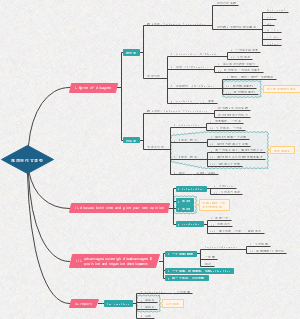
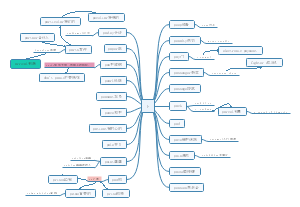
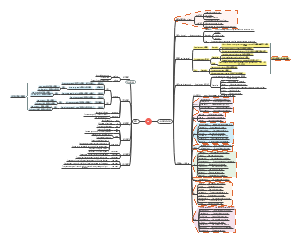
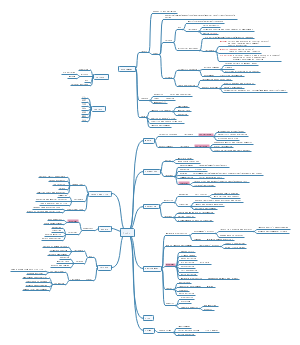
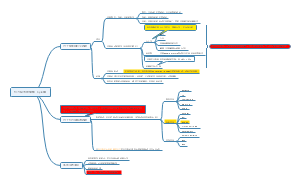
这是一篇关于高阶英语词汇Unit 1:第 1 单元:善恶、爱恨、战争与和平、轻重与古的思维导图,围绕 8 个高频拉丁词根以及 8 个源自古希腊罗马神话历史的词汇展开,一共 40 个核心词汇,是《韦小绿》开篇单元内容。8 个拉丁词根分别为 BENE(好、善)、AM(爱、友好)、BELL(战争)、PAC(和平)、CRIM(罪行、过错)、LEV(轻、减轻)、GRAV(重、严肃)、PROB(检验、正直),每个词根附带词源背景、衍生单词与释义。同时设置专题板块,收录来自希腊罗马神话、历史人物与城邦文化的词汇,包含 cicero、hector、hedonism 等词。配套练习板块有词根配对、词义配对、语境填空、用法辨析四类题型,配套习题与解析。导图把同源单词归类,标注词源逻辑,方便理解单词之间的关联,摆脱孤立背词模式,适用于 GRE / 托福词汇备考、韦小绿单词学习、英语词根词缀系统学习、英语高阶词汇积累。
提示: 本内容由社区用户上传并分享。平台不对内容的真实性、合法性、知识产权归属及是否侵害第三方权利进行事前审核或保证。本内容可能包含受版权保护的图片、字体或其他第三方素材,使用前请自行确认授权范围。
- 词根词缀
- 英语词源
- 高阶英语词汇

- 相似推荐
- 大纲



Unit 1:第 1 单元:善恶、爱恨、战争与和平、轻重与古典人物典故
单元概览:本单元围绕 8 个高频拉丁词根(BENE, AM, BELL, PAC, CRIM, PROB, GRAV, LEV)以及 8 个源自古希腊罗马神话与历史的词汇展开,共 40 个核心词汇,构成《韦小绿》极具代表性的开篇体系。
[词根] BENE (Latin) — 好;善;福祉 / well, good
词源背景:源自拉丁语副词 bene(好地、妥善地),对应形容词 bonus(好的)。常作为前缀与词根组合构成抽象名词或施动者名词,与表示“坏、恶”的词根 MAL- 形成鲜明对照。
benediction /ˌben.ɪˈdɪk.ʃən/ (n.)
中文释义:祝福;祈福祷告(尤指宗教仪式结束时的祝福)
英文释义:A prayer that asks for God's blessing, especially one given at the end of a religious service; an expression of good wishes.
词源拆解:bene- (well, 好) + dict (to speak, 说) + -ion (名词后缀) → 说出美好的祝愿 → 祝福
例句 (EN):The priest raised his hands and pronounced a solemn benediction over the congregation before they departed.
例句 (ZH):牧师举起双手,在会众离开前为他们念诵了庄严的祝福祷告。
词形变形:benedictory (adj. 祝福的); malediction (n. 诅咒,反义词)
近义拓展:blessing, invocation, benison
benefactor /ˈben.ɪ.fæk.tər/ (n.)
中文释义:恩人;捐助者;施主(尤指提供金钱资助的人)
英文释义:Someone who helps another person, group, or institution, especially by giving money or financial support.
词源拆解:bene- (well, 好) + fact (to do/make, 做) + -or (施动者后缀) → 行善之人 → 捐助者
例句 (EN):An anonymous benefactor donated five million dollars to construct the university's new medical research wing.
例句 (ZH):一位匿名捐助者捐赠了五百万美元,用于建造大学的新医学研究翼楼。
词形变形:benefactress (n. 女恩人); benefaction (n. 善行;捐赠物); malefactor (n. 罪犯,反义词)
近义拓展:patron, donor, sponsor, philanthropist
beneficiary /ˌben.ɪˈfɪʃ.ər.i/ (n.)
中文释义:受益人;受惠者;(遗嘱或保险的)继承人
英文释义:A person or organization that receives advantages, profits, or money from something such as a will, trust, or insurance policy.
词源拆解:bene- (well, 好) + fic (to do, 做) + -iary (承受动作的人) → 接受善果/利益的人 → 受益人
例句 (EN):She named her younger brother as the sole beneficiary of her life insurance policy.
例句 (ZH):她将自己的弟弟指定为人寿保险单的唯一受益人。
词形变形:beneficial (adj. 有益的); benefit (n./v. 利益;使受益)
近义拓展:recipient, heir, inheritor, payee
benevolence /bəˈnev.əl.əns/ (n.)
中文释义:仁慈;善心;慷慨
英文释义:Kindness, generosity, and a sincere disposition to do good and promote the happiness of others.
词源拆解:bene- (well, 好) + vol (to wish/will, 意愿) + -ence (名词后缀) → 心怀善意 → 仁慈
例句 (EN):Throughout his long career as a magistrate, he was admired for both his strict fairness and his quiet benevolence.
例句 (ZH):在他漫长的治安官生涯中,人们既敬佩他严明的公正,也敬重他低调的仁慈。
词形变形:benevolent (adj. 仁慈的); benevolently (adv. 仁慈地); malevolence (n. 恶意,反义词)
近义拓展:kindness, compassion, charity, goodwill
[词根] AM (Latin) — 爱;友好 / to love
词源背景:源自拉丁语动词 amare(爱)及名词 amicus(朋友)、amor(爱)。在英语中常用来描述人际关系的融洽、友爱或深陷迷恋的状态。
amicable /ˈæm.ɪ.kə.bəl/ (adj.)
中文释义:友好的;和睦的;心平气和的(多用于形容关系、协议或协商)
英文释义:Characterized by friendliness and goodwill; showing peaceable intent and lack of bitterness, especially in agreements or disputes.
词源拆解:amic- (friend, 朋友,源于 amare) + -able (能…的) → 如朋友般的 → 友好的
例句 (EN):Despite their differing views on strategy, the two co-founders reached an amicable agreement to split the company.
例句 (ZH):尽管在战略上存在分歧,两位联合创始人还是达成了友好的分家协议。
词形变形:amicability (n. 友善); amicably (adv. 友好地)
近义拓展:cordial, harmonious, peaceable, friendly
enamored /ɪˈnæm.ərd/ (adj.)
中文释义:倾心的;迷恋的;着迷的(常与 of 或 with 连用)
英文释义:Charmed, captivated, or filled with strong fondness and love (usually followed by 'of' or 'with').
词源拆解:en- (in, 进入) + amor (love, 爱) + -ed → 陷入爱河之中 → 迷恋的
例句 (EN):Tourists quickly become enamored of Kyoto's tranquil bamboo groves and centuries-old wooden temples.
例句 (ZH):游客很快就会被京都宁静的竹林和数百年历史的木制寺庙深深迷住。
词形变形:enamor (v. 使迷恋;使倾心)
近义拓展:captivated, infatuated, charmed, smitten
amiable /ˈeɪ.mi.ə.bəl/ (adj.)
中文释义:和蔼可亲的;温和友善的(多用于形容人的性格)
英文释义:Having a pleasant, good-natured, and sociable personality; easy to get along with.
词源拆解:am- (love, 爱) + -iable (值得…的) → 可爱可亲的 → 和蔼的
例句 (EN):Our new department chair is an amiable scholar who always greets students with a warm smile.
例句 (ZH):我们的新系主任是一位和蔼可亲的学者,总是带着温暖的微笑向学生问好。
词形变形:amiability (n. 和蔼可亲); amiably (adv. 和蔼地)
近义拓展:affable, genial, pleasant, good-natured
amity /ˈæm.ɪ.ti/ (n.)
中文释义:友好关系;和睦(常指国家或团体之间)
英文释义:Friendly, peaceful, and harmonious relations, especially between nations or rival groups.
词源拆解:am- (love/friend, 爱/友) + -ity (抽象名词后缀) → 友爱之情 → 友好关系
例句 (EN):The two neighboring countries signed a treaty of amity and commerce to stabilize border trade.
例句 (ZH):这两个邻国签署了一项友好通商条约,以稳定边境贸易。
词形变形:enmity (n. 敌意;仇恨,反义词)
近义拓展:friendship, harmony, concord, fellowship
[词根] BELL (Latin) — 战争;交战 / war
词源背景:源自拉丁语名词 bellum(战争)。注意不要与拉丁语 bellus(美丽的,如 embellish、belle)混淆。
antebellum /ˌæn.tiˈbel.əm/ (adj.)
中文释义:战前的(尤指美国南北战争之前的)
英文释义:Existing or occurring before a war, especially before the American Civil War (1861–1865).
词源拆解:ante- (before, 在…之前) + bellum (war, 战争) → 战争之前的 → 战前的
例句 (EN):The historic district is famous for its preserved antebellum mansions with towering white columns.
例句 (ZH):这个历史街区以保存完好、带有高耸白柱的战前宅邸而闻名。
词形变形:postbellum (adj. 战后的,反义词)
近义拓展:prewar, pre-Civil War
bellicose /ˈbel.ɪ.koʊs/ (adj.)
中文释义:好战的;挑衅的;好斗的
英文释义:Demonstrating a willingness or eagerness to fight, argue, or go to war; aggressively hostile.
词源拆解:bell- (war, 战争) + -icose (充满…倾向的) → 充满战争倾向的 → 好战的
例句 (EN):The general's bellicose rhetoric alarmed diplomats who were still trying to negotiate a cease-fire.
例句 (ZH):这位将军好战的言辞令仍在努力谈判停火的外交官们感到震惊。
词形变形:bellicosity (n. 好战;好斗)
近义拓展:pugnacious, combative, aggressive, warlike
belligerent /bəˈlɪdʒ.ər.ənt/ (adj./n.)
中文释义:好战的;寻衅的;交战国(或交战方)
英文释义:Hostile and aggressive in attitude; or a nation or person actively engaged in a war or conflict.
词源拆解:bell- (war, 战争) + ger (to wage/carry on, 进行) + -ent → 发动战争的 → 敌对的;交战方
例句 (EN):When the customer became loud and belligerent, the store manager calmly asked him to leave.
例句 (ZH):当那位顾客开始大声喧哗并显得极具攻击性时,店长冷静地请他离开。
词形变形:belligerence (n. 好战性;交战状态); belligerently (adv. 挑衅地)
近义拓展:hostile, antagonistic, truculent, combatant
rebellion /rɪˈbel.jən/ (n.)
中文释义:叛乱;反抗;造反
英文释义:An open, armed, and usually organized resistance to an established government, ruler, or authority.
词源拆解:re- (again/back, 再次/反过来) + bell (war, 战争) + -ion → 再次挑起战端 → 反叛
例句 (EN):Heavy taxation on grain eventually sparked a widespread peasant rebellion across the northern provinces.
例句 (ZH):沉重的粮食税最终在北方各省引发了广泛的农民起义。
词形变形:rebel (v./n. 反抗;反叛者); rebellious (adj. 反叛的)
近义拓展:uprising, insurrection, revolt, mutiny
[词根] PAC (Latin) — 和平;协议;平息 / agree, peace
词源背景:源自拉丁语名词 pax(属格 pacis,意为“和平”)及动词 pacare(平息、安抚),与 BELL(战争)构成核心反义对。
pacify /ˈpæs.ɪ.faɪ/ (v.)
中文释义:安抚;平息;使平静
英文释义:To soothe the anger or agitation of; to restore peace and order to a troubled area or restless crowd.
词源拆解:pac- (peace, 和平) + -ify (to make, 使) → 使恢复和平 → 安抚;平息
例句 (EN):The airline offered hotel vouchers and meal coupons to pacify the passengers stranded by the storm.
例句 (ZH):航空公司提供了酒店代金券和餐券,以安抚因暴风雨滞留的乘客。
词形变形:pacification (n. 平定;安抚); pacifier (n. 婴儿安抚奶嘴;调解者)
近义拓展:appease, placate, mollify, calm
pacifist /ˈpæs.ɪ.fɪst/ (n./adj.)
中文释义:和平主义者;反战者(也可作形容词:和平主义的)
英文释义:A person who opposes war, military force, and violence on moral, philosophical, or religious grounds.
词源拆解:pac- (peace, 和平) + -ify + -ist (主义者) → 奉行和平主义的人
例句 (EN):As a lifelong pacifist, she refused to accept research grants funded by weapons manufacturers.
例句 (ZH):作为一名终身的和平主义者,她拒绝接受武器制造商资助的研究经费。
词形变形:pacifism (n. 和平主义); pacifistic (adj. 和平主义的)
近义拓展:peacemaker, noncombatant, dove
pact /pækt/ (n.)
中文释义:条约;协定;契约
英文释义:A formal agreement, treaty, or solemn promise made between two or more nations, groups, or individuals.
词源拆解:源自拉丁语 pactum(协议,与 pax 同源,意为双方达成和平一致)
例句 (EN):The two rival studios made a secret pact not to release their blockbuster films on the same weekend.
例句 (ZH):两家竞争对手电影公司秘密达成协议,不在同一个周末上映各自的大片。
词形变形:compact (n. 契约;协定)
近义拓展:treaty, accord, covenant, agreement
pace /ˈpɑː.tʃeɪ/ or /ˈpeɪ.si/ (prep.)
中文释义:恕…冒昧;请…原谅(用于礼貌地表示与某人观点相左,置于人名之前)
英文释义:Contrary to the opinion or with all due deference to (used before a person's name to express polite disagreement).
词源拆解:拉丁语 pax 的夺格形式 pace,字面义为“在…的允许/和平之下(with the peace/leave of)”
例句 (EN):Pace the city planners who drafted the report, widening the highway will only encourage more commuter traffic.
例句 (ZH):恕撰写该报告的城市规划师们见谅,拓宽高速公路只会招来更多的通勤车流。
词形变形:(拉丁介词,无常见词形变化;注意与普通英语名词 pace /peɪs/ 步伐区分)
近义拓展:with all due respect to, begging the pardon of
[词根] CRIM (Latin) — 过失;罪行;控告 / fault, crime, accusation
词源背景:源自拉丁语名词 crimen(判决、控告、罪行),本身又可追溯至动词 cernere(筛选、裁决)。
criminology /ˌkrɪm.ɪˈnɒl.ə.dʒi/ (n.)
中文释义:犯罪学
英文释义:The scientific study of crime, criminal behavior, law enforcement, and the social factors behind offenses.
词源拆解:crimin- (crime, 犯罪) + -ology (study of, …学) → 研究犯罪的学科
例句 (EN):Courses in criminology often combine sociology, psychology, and forensic statistics.
例句 (ZH):犯罪学课程通常结合了社会学、心理学以及司法统计学。
词形变形:criminologist (n. 犯罪学家); criminological (adj. 犯罪学的)
近义拓展:penology, criminalistics
decriminalize /diːˈkrɪm.ɪ.nəl.aɪz/ (v.)
中文释义:使非罪化;使合法化;取消对…的刑事处罚
英文释义:To remove the criminal classification from an act so that it is no longer treated as a crime under the law.
词源拆解:de- (away/remove, 去除) + criminal (犯罪的) + -ize (动词后缀) → 去除犯罪属性 → 非罪化
例句 (EN):Several municipalities voted to decriminalize minor parking infractions and handle them through civil fines instead.
例句 (ZH):多个市政当局投票决定将轻微违章停车非罪化,改为通过民事罚款处理。
词形变形:decriminalization (n. 非罪化); criminalize (v. 使入罪,反义词)
近义拓展:legalize, deregulate, legitimize
incriminate /ɪnˈkrɪm.ɪ.neɪt/ (v.)
中文释义:连累;使负罪;控告;显示…有罪
英文释义:To make someone appear guilty of a crime or wrongdoing; to charge or implicate in a crime.
词源拆解:in- (into/upon, 使进入) + crimin (crime/accusation, 控罪) + -ate → 使卷入罪行 → 连累;指控
例句 (EN):Under the Fifth Amendment, a witness cannot be forced to give testimony that might incriminate himself.
例句 (ZH):根据美国宪法第五修正案,证人不能被迫提供可能使自己获罪的证词。
词形变形:incriminating (adj. 归罪的;可作为犯罪证据的); incrimination (n. 控告;连累); self-incrimination (n. 自证其罪)
近义拓展:implicate, inculpate, indict, accuse
recrimination /rɪˌkrɪm.ɪˈneɪ.ʃən/ (n.)
中文释义:反控;相互指责;反唇相讥
英文释义:An accusation made in retaliation against someone who has just accused you; mutual blaming.
词源拆解:re- (back, 回敬) + crimin (accusation, 指控) + -ation → 回敬以指控 → 相互指责
例句 (EN):After the product launch failed, the marketing and engineering teams fell into bitter recriminations.
例句 (ZH):产品发布失败后,市场团队与工程团队陷入了激烈的相互指责。
词形变形:recriminate (v. 反控;反责); recriminatory (adj. 反责的)
近义拓展:countercharge, retaliation, finger-pointing, reproach
[词根] PROB (Latin) — 检验;证明;诚实;正直 / prove, proof, honesty, integrity
词源背景:源自拉丁语动词 probare(检验、证明为好)及形容词 probus(正直的、经得起考验的)。经受考验为良即“正直、赞许”,经受不住考验即“堕落”。
approbation /ˌæp.rəˈbeɪ.ʃən/ (n.)
中文释义:赞许;认可;官方批准
英文释义:Official or enthusiastic approval, praise, or commendation.
词源拆解:ap- (ad-, toward, 朝向) + prob (prove good, 证明为善) + -ation → 认定为好并给予肯定 → 赞许
例句 (EN):The young pianist's debut performance earned warm approbation from even the most skeptical critics.
例句 (ZH):这位年轻钢琴家的首演赢得了甚至连最挑剔的评论家也赞不绝口的好评。
词形变形:disapprobation (n. 不赞成;谴责,反义词); approve (v. 赞成)
近义拓展:approval, commendation, acclaim, sanction
probate /ˈproʊ.beɪt/ (n./v.)
中文释义:遗嘱检验(程序);(经法院)验证遗嘱
英文释义:The official legal process of proving that a deceased person's will is valid and administering the estate.
词源拆解:prob- (to prove, 证明) + -ate → 法律上验证遗嘱真实性
例句 (EN):Because the estate was complex, it remained tied up in probate court for nearly eighteen months.
例句 (ZH):由于遗产情况复杂,该案在遗嘱检验法庭搁置了将近十八个月。
词形变形:probation (n. 试用期;缓刑); probe (v./n. 探查)
近义拓展:validation, authentication, verification
probity /ˈproʊ.bɪ.ti/ (n.)
中文释义:正直;诚实;廉洁(不可收买的操守)
英文释义:Complete and confirmed integrity, uprightness, and adherence to high moral principles.
词源拆解:prob- (honest/tested, 正直的) + -ity (名词后缀) → 经得起检验的品格 → 正直廉洁
例句 (EN):Investors trusted the auditing firm because of its decades-long reputation for financial probity.
例句 (ZH):投资者信任这家审计公司,因为它数十年来一直享有财务廉洁正直的声誉。
词形变形:improbity (n. 不正直;不诚实,反义词)
近义拓展:integrity, rectitude, uprightness, honesty
reprobate /ˈrep.rə.beɪt/ (n./adj.)
中文释义:道德败坏的人;恶棍;放荡不羁的
英文释义:An unprincipled, wicked, or morally depraved person; also used as an adjective meaning unprincipled.
词源拆解:re- (back/against, 否定/排斥) + prob (good/honest, 正直) + -ate → 经检验被淘汰的不良分子 → 恶棍
例句 (EN):Though he pretended to be a charming gentleman, he was actually a cynical reprobate who cheated his partners.
例句 (ZH):虽然他装作是一位迷人的绅士,实际上却是个欺骗合伙人的无耻恶棍。
词形变形:reprobation (n. 严厉谴责;唾弃)
近义拓展:scoundrel, degenerate, rogue, miscreant
[词根] GRAV (Latin) — 重;沉重;严肃 / heavy, weight, serious
词源背景:源自拉丁语形容词 gravis(沉重的、严重的、庄重的)。在英语中既指物理重量(gravity),也引申指局势严峻或气质庄重。
aggravate /ˈæɡ.rə.veɪt/ (v.)
中文释义:加重;使恶化;激怒
英文释义:To make an existing problem, injury, or unpleasant situation worse or more severe; informally, to annoy.
词源拆解:ag- (ad-, toward, 加强) + grav (heavy, 重) + -ate → 使变得更沉重 → 加剧;恶化
例句 (EN):Continuing to run on a sprained ankle will only aggravate the injury and delay recovery.
例句 (ZH):脚踝扭伤后还继续跑步只会加重伤势并延缓康复。
词形变形:aggravation (n. 加剧;恼怒); aggravating (adj. 令人恼火的;加重的)
近义拓展:worsen, exacerbate, intensify, compound
grave /ɡreɪv/ (adj.)
中文释义:严峻的;严重的;庄重严肃的(作名词时意为“坟墓”,词源不同)
英文释义:Giving cause for alarm; very serious, critical, or solemn in manner and appearance.
词源拆解:直接源自拉丁语 gravis(沉重的 → 重大而严肃的)
例句 (EN):The ambassador delivered a grave warning about the humanitarian crisis unfolding near the border.
例句 (ZH):大使就边境附近正在发生的人道主义危机发出了严峻警告。
词形变形:gravity (n. 重力;严重性); gravely (adv. 严重地;严肃地)
近义拓展:serious, solemn, critical, dire
gravitas /ˈɡræv.ɪ.tɑːs/ (n.)
中文释义:庄重;威严;沉稳气度
英文释义:High seriousness, dignity, poise, and substance in a person's bearing, speech, or character.
词源拆解:直接借自拉丁语名词 gravitas(重量;在古罗马文化中指公民最崇高的美德——庄严稳重)
例句 (EN):Even at thirty-five, the judge spoke with a calm gravitas that commanded the entire courtroom's respect.
例句 (ZH):即使只有三十五岁,这位法官说话时也带着一种沉稳的威严,赢得了整个法庭的敬重。
词形变形:(拉丁直借名词,不可数)
近义拓展:dignity, solemnity, sobriety, poise
gravitate /ˈɡræv.ɪ.teɪt/ (v.)
中文释义:被吸引;向…自然移动;倾向于(常与 toward/to 连用)
英文释义:To move naturally toward or be strongly attracted to someone or something, as if by gravity.
词源拆解:grav- (heavy/weight, 重力) + -itate → 受重力牵引般移动 → 趋向;被吸引
例句 (EN):At crowded conferences, attendees naturally gravitate toward speakers who share compelling real-world stories.
例句 (ZH):在人头攒动的会议上,参会者自然而然地会被那些善于分享精彩真实故事的演讲者吸引过去。
词形变形:gravitation (n. 引力;吸引倾向); gravitational (adj. 重力的)
近义拓展:incline, drift, be drawn, lean
[词根] LEV (Latin) — 轻;减轻;举起 / light; to raise or lighten
词源背景:源自拉丁语形容词 levis(轻的)及动词 levare(举起、减轻),与 GRAV(重)形成完美对称反义。
alleviate /əˈliː.vi.eɪt/ (v.)
中文释义:缓解;减轻;缓和
英文释义:To make suffering, pain, or a severe problem less intense and easier to bear.
词源拆解:al- (ad-, toward, 使) + lev (light, 轻) + -iate → 使负担变轻 → 缓解
例句 (EN):Expanding public transit was proposed to alleviate chronic traffic congestion in the downtown core.
例句 (ZH):人们提议扩建公共交通,以缓解市中心长期的交通拥堵。
词形变形:alleviation (n. 减轻;缓解); palliative (adj./n. 姑息的;缓和剂)
近义拓展:relieve, mitigate, ease, assuage
elevate /ˈel.ɪ.veɪt/ (v.)
中文释义:举起;提升;提拔;振奋
英文释义:To lift or raise to a higher physical position, rank, moral plane, or emotional state.
词源拆解:e- (ex-, out/up, 向上) + lev (raise, 举) + -ate → 向上举起 → 提升
例句 (EN):The museum's new curator hopes to elevate regional folk artists onto the international stage.
例句 (ZH):博物馆的新馆长希望能把本土民间艺术家推向国际舞台。
词形变形:elevation (n. 海拔;提升); elevator (n. 电梯); elevated (adj. 崇高的;升高的)
近义拓展:raise, promote, uplift, exalt
levity /ˈlev.ɪ.ti/ (n.)
中文释义:轻浮;轻率;不合时宜的幽默
英文释义:Lack of appropriate seriousness; humor or frivolity, especially when treating a serious matter lightly.
词源拆解:lev- (light, 轻) + -ity (名词后缀) → 态度轻飘 → 轻浮
例句 (EN):While a brief moment of levity eased the tension, the committee quickly returned to the grim budget figures.
例句 (ZH):虽然片刻的轻松玩笑缓解了紧张气氛,但委员会很快又回到了严峻的预算数字上。
词形变形:(与 gravity / gravitas 构成反义对)
近义拓展:frivolity, lightheartedness, flippancy, jocularity
cantilever /ˈkæn.tɪˌliː.vər/ (n./v.)
中文释义:悬臂;悬臂梁;(使)以悬臂形式伸出
英文释义:A long projecting beam or structural girder fixed at only one end, used to support balconies, bridges, or overhangs.
词源拆解:canti- (corner/bracket, 托架) + lever (源自 levare, 抬起之物) → 支托抬起伸出结构的梁 → 悬臂
例句 (EN):Frank Lloyd Wright's Fallingwater uses dramatic concrete cantilevers suspended directly over a waterfall.
例句 (ZH):弗兰克·劳埃德·赖特设计的流水别墅采用了极具戏剧张力的混凝土悬臂结构,直接悬挑在瀑布上方。
词形变形:cantilevered (adj. 悬臂式的)
近义拓展:overhang, bracket, projecting beam
[★ 专题] Words from Mythology and History (Classical Culture) — 神话与历史典故词(古希腊罗马人物与城邦文化) / Words derived from Greco-Roman heroes, thinkers, and city-states
词源背景:《韦小绿》每单元压轴的专题板块。本组 8 个词均源自古希腊或古罗马的历史人物、荷马史诗英雄及著名学派或城邦的生活方式。
cicerone /ˌsɪs.əˈroʊ.ni/ (n.)
中文释义:(博学的)导游;古迹讲解员
英文释义:A knowledgeable guide who conducts sightseers and explains the history of museums, antiquities, or monuments.
词源拆解:源自古罗马雄辩家西塞罗(Marcus Tullius Cicero)之名,意指像西塞罗一样能言善辩、学识渊博的向导
例句 (EN):Our Italian cicerone brought the ruins of Pompeii to life with vivid stories of daily Roman life.
例句 (ZH):我们的意大利向导用一个个生动的古罗马日常生活故事,让庞贝古城遗址焕发了生机。
词形变形:cicerones 或 ciceroni (pl.)
近义拓展:docent, tour guide, escort
hector /ˈhek.tər/ (v./n.)
中文释义:欺凌;威吓;大声斥责
英文释义:To intimidate, bully, or harass someone with bluster and domineering talk.
词源拆解:源自荷马史诗《伊利亚特》中的特洛伊第一勇士赫克托耳(Hector),后世在17世纪伦敦街头演变为指代嚣张好斗的恶霸
例句 (EN):The defense attorney tried to hector the nervous witness into contradicting his earlier testimony.
例句 (ZH):辩护律师试图用威吓的语气逼迫紧张的证人推翻此前的证词。
词形变形:hectoring (adj. 咄咄逼人的)
近义拓展:bully, badger, harass, browbeat
hedonism /ˈhiː.dən.ɪ.zəm/ (n.)
中文释义:享乐主义;唯乐论
英文释义:The ethical doctrine or lifestyle devoted solely to the pursuit of pleasure and sensory enjoyment.
词源拆解:源自希腊语 hedone(快乐、欢愉)+ -ism(主义)
例句 (EN):After years of relentless work, his sudden retreat into tropical hedonism surprised all of his colleagues.
例句 (ZH):在多年不知疲倦地工作之后,他突然隐退到热带过起享乐主义生活,让所有同事大吃一惊。
词形变形:hedonist (n. 享乐主义者); hedonistic (adj. 享乐主义的)
近义拓展:self-indulgence, sybaritism, epicureanism
nestor /ˈnes.tər/ (n.)
中文释义:德高望重的长者;睿智的老前辈
英文释义:A wise, experienced, and deeply respected elder advisor or senior leader in a field.
词源拆解:源自《伊利亚特》中希腊联军最年长且足智多谋的皮洛斯国王涅斯托耳(Nestor)
例句 (EN):At ninety, the retired chief justice was revered as the nestor of American constitutional law.
例句 (ZH):九十岁高龄的退休首席大法官被尊为美国宪法界的泰斗长老。
词形变形:(专有名词普通化,常小写或大写)
近义拓展:sage, mentor, patriarch, elder statesman
spartan /ˈspɑːr.tən/ (adj.)
中文释义:简朴的;刻苦的;斯巴达式的
英文释义:Marked by strict self-discipline, extreme simplicity, frugality, and avoidance of luxury or comfort.
词源拆解:源自古希腊城邦斯巴达(Sparta),该城邦以严酷的军事训练与简朴禁欲的生活方式闻名
例句 (EN):The monastery's guest quarters were spartan—just a narrow wooden bed, a desk, and a single lamp.
例句 (ZH):修道院的客房极其简朴——只有一张窄木床、一张书桌和一盏台灯。
词形变形:Spartan (n. 斯巴达人;刚毅简朴的人)
近义拓展:austere, ascetic, frugal, stark
stentorian /stenˈtɔːr.i.ən/ (adj.)
中文释义:声音洪亮的;震耳欲聋的
英文释义:Extremely loud, booming, and powerful in voice or sound.
词源拆解:源自荷马史诗中的希腊传令官斯滕托耳(Stentor),传说他的声音响亮如五十人齐呼
例句 (EN):Without even touching a microphone, the auctioneer called out bids in a stentorian voice.
例句 (ZH):甚至无需触碰麦克风,拍卖师就用洪亮如钟的声音报出了竞价。
词形变形:stentorianly (adv. 洪亮地)
近义拓展:booming, thunderous, resounding, sonorous
stoic /ˈstoʊ.ɪk/ (adj./n.)
中文释义:坚忍的;淡泊克己的;斯多葛派学者
英文释义:Seeming unaffected by pleasure or pain; enduring hardship calmly without complaint or display of emotion.
词源拆解:源自希腊语 Stoa Poikile(彩绘柱廊),公元前3世纪哲学家芝诺(Zeno)在此创立主张克制欲望、泰然处世的斯多葛学派
例句 (EN):She remained remarkably stoic throughout the grueling rehabilitation process, never once uttering a complaint.
例句 (ZH):在漫长艰苦的康复过程中,她始终表现出非凡的坚忍,从未抱怨过一句。
词形变形:stoical (adj. 坚忍的); stoicism (n. 斯多葛主义;坚忍克己)
近义拓展:impassive, unflinching, forbearing, phlegmatic
sybaritic /ˌsɪb.əˈrɪt.ɪk/ (adj.)
中文释义:奢靡的;纵情享乐的;骄奢淫逸的
英文释义:Characterized by extravagant luxury, sensuous pleasure, and self-indulgent living.
词源拆解:源自古希腊位于意大利南部的殖民城邦锡巴里斯(Sybaris),以极度富庶奢华的生活作风著称(与 spartan 形成反义对比)
例句 (EN):The resort promised a sybaritic weekend of private hot springs, vintage champagne, and gourmet dining.
例句 (ZH):这家度假村承诺打造一个私人温泉、陈年香槟与精致美食相伴的奢靡周末。
词形变形:sybarite (n. 沉溺享乐者)
近义拓展:luxurious, hedonistic, voluptuous, decadent
单元配套练习与解析 (Unit 1 Quiz)
一、词根配对题 (Root Matching)
Q1. BENE
A. 好;善(well, good) ✅
B. 战争(war)
C. 重量;严肃(heavy)
D. 罪行(crime)
答案与解析:A — BENE 源自拉丁语,意为“好;善”,如 benefactor(捐助者)、benevolence(仁慈)。
Q2. BELL
A. 爱;友好(to love)
B. 战争(war) ✅
C. 和平(peace)
D. 举起;轻(light/raise)
答案与解析:B — BELL 源自拉丁语 bellum(战争),如 antebellum(战前的)、belligerent(好战的)。
Q3. PROB
A. 控告;过失(accusation)
B. 呼吸(breath)
C. 检验;正直(prove/honesty) ✅
D. 跟从(follow)
答案与解析:C — PROB 源自拉丁语 probare,意为“检验、证明、正直”,如 probity(正直)与 approbation(赞许)。
Q4. GRAV
A. 重;严肃(heavy/serious) ✅
B. 轻;减轻(light)
C. 狂热(madness)
D. 协议(agree)
答案与解析:A — GRAV 源自拉丁语 gravis,意为“重、严肃”,如 gravitas(庄重)与 aggravate(加重)。
Q5. LEV
A. 战争(war)
B. 轻;举起(light/raise) ✅
C. 灵魂(soul)
D. 投掷(throw)
答案与解析:B — LEV 源自拉丁语 levis / levare,意为“轻;举起”,如 alleviate(减轻)、levity(轻浮)。
二、词义配对题 (Word Matching)
Q1. probity
A. 绝对的正直与廉洁 ✅
B. 公开的武装叛乱
C. 极度简朴的生活
D. 遗嘱的法律验证
答案与解析:A — probity 源自 PROB(正直、经得起检验),意为“正直、诚实、廉洁”。
Q2. levity
A. 威严庄重
B. 不合时宜的轻率幽默 ✅
C. 剧烈的痛苦
D. 和平协议
答案与解析:B — levity 源自 LEV(轻),指态度轻飘、缺乏应有的严肃性,常与 gravitas 相对。
Q3. recrimination
A. 非罪化改革
B. 相互指责与反控 ✅
C. 宗教祝福祷词
D. 自然吸引趋势
答案与解析:B — recrimination = re-(回敬)+ crim(指控),指被指控后的反控或互相指责。
Q4. stentorian
A. 奢靡享乐的
B. 沉默寡言的
C. 声音洪亮震耳的 ✅
D. 善解人意的
答案与解析:C — stentorian 源自荷马史诗嗓音如雷的传令官 Stentor,意为“声音极其洪亮的”。
Q5. sybaritic
A. 斯巴达般简朴的
B. 骄奢淫逸、纵情享乐的 ✅
C. 好战挑衅的
D. 博学多识的
答案与解析:B — sybaritic 源自古希腊奢华城邦 Sybaris,意为“奢靡享乐的”,正好与 spartan 反义。
三、语境填空题 (Fill in the Blank)
Q1. To ____ the angry commuters waiting for the delayed train, the transit authority offered free round-trip passes.
A. aggravate
B. pacify ✅
C. incriminate
D. hector
答案与解析:B — 句意为“为了安抚愤怒的通勤者,交通局提供了免费往返乘车券”,应选 pacify(安抚、平息)。
Q2. Although the divorce was emotionally painful, the couple managed an ____ settlement without hiring aggressive lawyers.
A. amicable ✅
B. bellicose
C. antebellum
D. stentorian
答案与解析:A — amicable 常用来修饰协议、和解或离婚,表示“友好协商的、心平气和的”。
Q3. Despite the terrifying diagnosis, he remained remarkably ____ and never allowed panic to show on his face.
A. sybaritic
B. stoic ✅
C. enamored
D. belligerent
答案与解析:B — stoic 意为“坚忍的、临危不乱的”,符合句中“从未流露惊慌”的语境。
Q4. The committee praised the treasurer's ____ after an independent audit found every cent properly accounted for.
A. probity ✅
B. levity
C. hedonism
D. rebellion
答案与解析:A — 审计显示分毫不差,因此委员会赞扬了财务主管的“廉洁正直(probity)”。
Q5. Walking on the injured knee will only ____ the inflammation; you need at least a week of rest.
A. alleviate
B. elevate
C. aggravate ✅
D. probate
答案与解析:C — 受伤后继续行走会“加重(aggravate)”炎症,而非减轻(alleviate)。
四、用法辨析题 (Usage Discrimination)
Q1. 在描述“一个人性格随和友善”和“一份协议友好达成”时,哪组搭配最地道?
A. an amiable colleague / an amicable settlement ✅
B. an amicable colleague / an amiable settlement
C. a stoic colleague / a spartan settlement
D. a bellicose colleague / a stentorian settlement
答案与解析:A — amiable 多修饰人的性情(和蔼可亲的同事);amicable 多修饰关系、协商或协议(友好的和解)。
Q2. 下列哪一对词汇构成典型的“反义对照”?
A. benefactor ↔ beneficiary(施惠者 ↔ 受益人)与 spartan ↔ sybaritic(简朴 ↔ 奢靡) ✅
B. amiable ↔ enamored(和蔼 ↔ 迷恋)与 grave ↔ gravitas(严肃 ↔ 庄重)
C. bellicose ↔ belligerent(好战 ↔ 敌对)与 cicerone ↔ nestor(向导 ↔ 长者)
D. pacify ↔ pact(安抚 ↔ 条约)与 probate ↔ probity(遗嘱检验 ↔ 正直)
答案与解析:A — benefactor(施与者)与 beneficiary(接受利益者)为施受对立;spartan(禁欲简朴)与 sybaritic(奢靡享乐)为生活方式反义对。
Q3. 在学术或评论文章中,表示“恕某位学者冒昧(礼貌不同意其观点)”应如何正确使用 pace?
A. Pace Professor Smith, the archaeological evidence points to an earlier date. ✅
B. I pace with Professor Smith about the archaeological evidence.
C. Professor Smith made a pace argument on the date.
D. The evidence is very pace compared to Professor Smith.
答案与解析:A — pace 是拉丁语直借介词,固定置于人名或机构名之前,表示“恕……见谅;与……观点不同”。
Q4. 下列哪组词属于“表面看似同根,实则来自不同词根/意义方向”?
A. grave(adj. 严肃的,源于 gravis 重)与 grave(n. 坟墓,源自古英语 grafan 挖掘) ✅
B. elevate(提升)与 alleviate(减轻)
C. bellicose(好战的)与 rebellion(叛乱)
D. criminology(犯罪学)与 incriminate(控罪)
答案与解析:A — 形容词 grave(严峻的、庄重的)来自拉丁语 gravis(GRAV 词根);名词 grave(坟墓)则源自日耳曼语“挖掘”,二者属同形异源词。
Q5. 如果一位建筑师设计了一座没有立柱支撑、直接向外悬挑的玻璃观景台,最精准的工程词汇是?
A. cantilever ✅
B. approbation
C. cicerone
D. benediction
答案与解析:A — cantilever 意为“悬臂、悬臂梁”,即一端固定、另一端自由悬挑的建筑构件。