导图社区 英语核心语法
- 40
- 1
- 1
- 举报
英语核心语法
判断从句类型:V>=2,连接词=V-1-----复合句;状语从句起副词作用修饰谓语,非谓语动词,定语,状语,整个句子。
编辑于2021-12-02 11:03:39- 核心语法
- 相似推荐
- 大纲


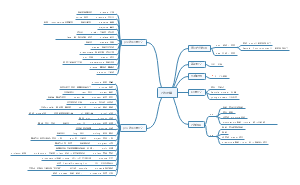

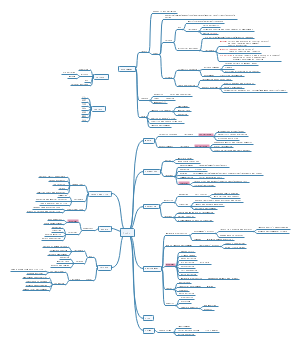

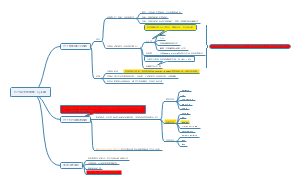
四六级核心语法
从句
判断从句类型
V>=2,连接词=V-1-----复合句
主句完整
定,状,补
主句不完整
主,宾,表
状语从句
起副词作用
修饰谓语,非谓语动词,定语,状语,整个句子、
时间状语从句
引导词
when,while,as,after,before,since,ever since,as soon as,once,till,until,whenever,no sooner...than,hardly/scarely...when,the moment/the minute/instant/second,every time,each time,any time,the first time,next time,last time,all the time,by the time,directly,instantly
when 引导从句表示过去动作的常见时态
主句一般过去时+从句一般过去时(主句动作先发生)
主句一般过去时+从句过去完成时(从句动作先发生)
主句一般过去时+从句过去进行时(eg.The bell rang when I was washing the dishes.)——门铃响了,此时我正在洗盘子
主句过去进行时+从句一般过去时(强调动作突然发生)(eg.I was washing the dishes when the bell rang.)—— 我正在洗盘子,门铃突然响了
主句一般将来时,从句一般现在时
while引导的时间状语从句表示在一段时间或某一阶段再发生的动作,所以从句中的谓语动词一般都是延续性动词
eg.Someone called while you are were out.
until
主句用延续性动作,从句用短暂性动词表示一个动作一直持续到了某一个时间点
如果主句是短暂性动词,那么通常用否定形式,即not......until
eg.I didn't notice this matter until yesterday.
as
类似于when,强调同时发生
随着......
表伴随动作 一边。。。一边。。。
强调两个动作紧接着发生
一......就.....
从句动作先于主句(主从句时态一般保持一致,主从句都是短暂性动词)
as soon as,once,the minute,the moment,the instant,immediately,directly,instantly
先翻译后面的,然后翻译前面的
主句动作先于从句(主从句时态一般不一致,主句要倒装)
hardly....when ,scarely....when,no sooner ......than
eg.No sooner she said it than she burst into tears.
地点状语从句
目的状语从句
引导词:in order that ,so that(为了)
目的状语从句的谓语中常含有may,might,can,could,should,would,will等情态动词
条件状语从句
引导词:if,unless,on condition that,as/so long as,provide/providing (that),suppose/supposing(that),祈使句+and/or/or else /otherwise+陈述句
if
主现从现:表示科学常识,经常性的动作,倾向,自然会发生
主将从现 :表示将来的可能性,包括能力,允诺,命令,要求,请求,建议等语气
unless(如果不,除非)————一般可以翻译为除非...否则...
eg.Unless bad weather stops me ,I go for a walk every morning.
on condition that 只有在...的条件下
on condition that 引导的条件状语从句是主句中事件发生的前提条件或唯一条件
as/so long as只要....就...————表示一种前提条件
provide/providing (that) 假若——表示一种假设
eg.I will join the club providing that you do too.
suppose/supposing that 假若,倘若
Supposing it rains,shall we continue the show?
原因状语从句
引导词:because,since,for,as
since
一般放在句首表示“既然,鉴于”
eg.Since there is no more business ,we can all go home.
for
对某种情况加以推断,表示补充说明理由
due to 和owing to 只能接名词
结果状语从句
引导词:so that(因此),so...that,such...that
so...that:如此...以至于...,————so+adj/adv+that...
such...that...:如此...以至于...————such+n+that...
结果状语从句中的谓语一般是不含有情态动词的
so/such ...that...引导的结果状语从句可以把so/such之后的倒装(一般不用)
eg:The road surface became so hot that it melt.==So hot does the road surface become that it melt.
让步状语从句
引导词:though,although,even though和even if,while 尽管,即使
不能和but放在一起用,但是可以和yet/neverthless/still放在一起用
如果从句中的主语和主句中的主语指的是一个人或者物时,可以把从句中的,也就是though/although后面的那个主语省略
其他引导词
as引导的倒装句:adj/adv/n/分词+as+主语+谓语
eg.Praised as he was,he remained modest.
no matter+what/which/where/when/who=whatever/whichever/wherever/whenever
方式状语从句
引导词
as正如
as if和as though 好像
the way 用这样的方法,从.....的样子看来
名词性从句(一个句子代替一个名词来用)
主语从句
出现位置(变陈述语序)
句首
句尾(it做形式主语)---it be+n/adj/动词的过去分词/seems/happens+that从句
宾语从句
做宾语(用陈述语气)
that可以省去一般
that不可省
动词后接了多于两个由that引导的宾语从句,只有第一个that可以省去
that从句是双宾语中的直接宾语时
可以跟that从句做宾语的动词有:say,think,insist,wish,hope,demand,imagine,wonder,know,suppose,see,believe,agree,admit,deny,except,explain,order,command,feel,know,suppose、see,believe,agree,admit,deny,except,explain,order,command,dream,suggest,hear,mean,notice,prefer,request,require,propose,declare,report
表语从句
作表语(用陈述语序)
当主语是表示建议命令,表语从句中的谓语应是should+v原
同位语从句
判断从句类型————从句中缺什么成分连接词就充当什么成分,不缺成分看意思
引导词系统(1886)
连接代词(从句缺成分)
which,who,whom,what(+ever)
做主宾表
连接副词(从句不缺成分)
how,when,where(+ever),why,whether
作状语
连接形容词
what,which,whose(+ever)
做定语
狭义连接词
that
不做成分
注意:
从句必须用陈述语序
宾从第一个that可以省略
判断从句类型看主句,选连接词看从句
定语从句
最简单的例子:I have an apple/ that is red. 其中apple是先行词,that是从属词/连接词/引导词/关系词
关系词的作用:1.引导从句 2.在从句中做成分3.替代先行词
关系词怎么选择:1.判断这个句子是不是定从(方法:看主语是否完整+从句要修饰主句里的名词)2.划出先行词 3.把先行词代入从句,看它在从句中做什么成分(a.做主宾表,填关系代词that,which,who,whom,as b.作状语,填关系副词when,where,why或介词+which c.作定语,填关系形容词whose=of whom或of which 4.根据先行词在从句中所作的成分,得出3里面的关系词 eg.He is still the boy xxx he was ten years ago. 解析:1.这个句子是定从吗?是的,因为这个句子的主句是完整的,从句是修饰the boy的 2.先行词是the boy 3.把the boy代入从句,发现它是做表语的,所以填关系代词 ,而且是人,所以填that或who,但是who和whom一般是不做表语的,所以这里填写that就ok
关系词
关系代词(从句中缺主宾表的时候填关系代词)三大技巧
缺宾语
什么词后面缺宾语:1.及物动词 2.介词 3.双宾语eg.1.This is the reason that /which she told me.(双宾--缺直接宾语)
被动即完整(间宾除外)
eg.This is the place where the party was held.
eg2.This is the reason that/which I was told.
关系代词做宾语可以省略掉关系代词
关系副词(从句中不缺成分,即不缺主宾表的时候)
关系形容词(whose=of which/whom)
非限制性定语从句
主从句之间打逗号
非限制限制性定语从句去掉从句句意是完整的,就是主句里的那个名词是惟一的,从句只是起到补充的作用,并没有起到限制的作用,即并没有把那个名词的范围给缩小
引导词
关系代词:which,who,whom,as
关系副词:when,where,介词+which
关系形容词
怎么翻译
which翻译为这件事,as是正如的意思
which:分先后,主句先发生,后评价 as:不分先后,把主句当成事实
主谓一致
看先行词:先行词是单数,那么从句中的动词用单数,先行词是复数,从句中的动词用复数
That,Which,As的区别
共同点:三个都是关系代词
只用That不用which的情况:1.先行词是不定代词2.先行词是序数词或最高级3.先行词是the only,the very,the last 4.当主句是以who,which开头时5.当先行词既有人又有物时
只用which不用that:1,非限制定语从句中只用which不用that2.介词+which
只用as不用which和that:限制性定语从句中先行词含有so,as,such,the same等表示一类的先行词
定从整体分析思路
判断是否为定从
限制性
从句完整
关系代词
从句不完整
关系副词
关系形容词
前置定语
whose
后置定语
of which(指物)
of whom(指人)
非限制
不用that,why
which,as代指整句话
虚拟语气
倒装句
强调句
非谓语(在句子中充当主宾表定状)
to do(充当除了谓语之外的所有成分)
1.放句首 :表目的/未完成的事
2.放句末:It is 做形式主语
3.跟在及物动词之后做宾语(谓语和to do的主动发出者都是这个句子的那个主语)
动词+it+宾语补足语+to do
eg.find,think,believe,consider,deem,feel,make
做定语:修饰前面的名词
做目的状语,结果状语,条件状语
目的:in order to do ,so as to do
结果;only to do(不料却),so ...as to do,.....enough to do(足够/可以....),too...to...
条件:不定式前面的句子相当于一个主句,不定式所在的句子相当于一个从句
接在形容词之后的不定式
用在表示愿望的形容词之后
eg.She is eager to learn a new language.
用在表示潜在可能性的形容词之后
They are able to buy whatever they want.
用在形容词的及物/不及物动词之后
句子的主语做它意义上的宾语
to后面的动词如果是不及物动词,需要加介词
在形容词前面加一个名词,那么这个名词后面的内容就相当于整个句子的补语
eg.This problem hard to deal with.
doing (做分词时,充当定状补;做动名词,充当主宾表定)
意义:表示主动意义,与所修饰的名词构成主谓关系
时态:一般表示在进行的动作,相当于一个进行时态/一般性的动作,相当于一个一般时态
当现在分词表示主动的,进行的动作时
改为定语从句:谓语要用进行时态
eg.A swimming boy=A boy that is swimming
当现在分词表示主动,一般的动作
改为定语从句:谓语要用一般时态
an understanding teacher=A teacher that can understand others
功能
做主语
一般放句首,谓语动词用单数
eg.Living in Tokyo is very expensive.
也可以放在句末
It is no good/no use/a waste of time doing something. 干某事没有用
There is no point /use/good in doing something 干某事没必要
There is no doing something 不可能做某事
作宾语
放在某些特定的动词后
放在介词后
固定搭配
某事遇到了困难/乐于做某事:have fun/difficulty in doing sth
情不自禁做某事:can‘t help/resist/keep from /hold back from doing sth
be well worth doing sth 值得做某事
作表语
作定语
一般放在名词前面
done(充当表定状补)——相当于形容词或副词
分词做状语的结构和意义
n+分词做状语
eg.John being unprepared,the exam was too difficult for him.
分词动作的执行者和谓语动词的执行者不同,分词有自己的主语
with+n+分词作状语
eg.1.WIth autumn coming on,the leaves turns yellow. 2.The principal came in with several students following behind.
分词动作的执行者和句子的谓语动词的执行者不同,表示伴随状态,补充说明,具体举例,也可以表示原因
固定用法
副词+speaking
eg.Generally speaking,most people in this city are stressful.
分词+介词
eg.It will take about an hour to get there,allowing for travelling delays.
分词+that从句
eg.Admitting that I had a problem was the first step to my recovery.
分词的逻辑主语和主句的主语仍然不一致,而且分词的逻辑主语是模糊的,所以这时主语可以省略,这个分词就成了独立分词
独立分词
单独的分词或是分词短语作状语:分词的逻辑主语必须和主句的主语保持一致
非独立分词
分词做状语的意义
1.表示条件
可以把if'开头的条件状语从句改为分词开头
eg.1.Weather permitting,the sports meeting will be held next Sunday. ===If weather permits,the sports meeting will be held next Sunday. 2.Given better attention,the cabbages could grow even faster. ===If the cabbages are given better attention,they could grow faster.
2.表示原因
可以把原因状语从句改为分词短语
eg.Not knowing her number,we couldn‘t get in touch with her. ===Since we don't know her number,we couldn't get in touch with her. 2.Being unemployed,he hasn't got much money. ===Because he is unemployed,he hasn't got much money.
3.表示时间
eg.Having finished her work ,she went home.
独立主格结构表示时间,条件,原因时,一般是放在句首,表原因时也可以放在句末
4.表示让步
出现了一些标志性的词语,例如though,still等就说明这个句子是表示让步的
eg.Having studied in Canada for four years,she still can't speak English well.
5.表示结果
He fired,killing one of the turkeys.
6.表示方式
修饰句子中的谓语动词
eg.Smiling,he responded.
分词做定语
位置
置于被修饰的名词前
单个分词做定语
类型
现在分词作定语
与所修饰的名词是主谓关系
eg.I saw a sleeping girl in the waiting room.
过去分词作定语
与所修饰的名词是动宾关系
The stolen bike belongs to Jack.
置于被修饰的名词之后
分词短语做定语
三种被动结构的后置定语
to be done(表示将来的动作)
eg.The bridge to be built next year will join up the three big cities.
being done(表示被动且正在进行)
The bridge being built will be completed next year.
done(表示一般过去或完成的动作)
eg.The bridge built in 1960 is the first modern one in ChongQing.
分词做补足语
只出现在宾补动词(宾补动词是及物动词,而且只接一个名词不能完全表达句子的意思,需要再接一个名词)
常见的宾补动词有:find,hear,smell,observe,watch,notice,see
eg.I see the sun rising from the horizon.
分词的一般式和完成式
一般式:doing/done
分词短语的动作和主句的动词所表示的动作是同时发生的
完成式:having done/having been done
分词短语的动作先发生,主句的动作后发生
独立主格
主谓一致