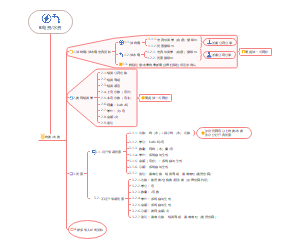
1. Ferrous metals - based on iron, comprises about 75% of
metal tonnage in the world:
• Steel and cast iron
2. Nonferrous metals - all other
metallic elements and their alloys:
• Aluminum, copper, nickel,
silver, tin, etc
2. Polymers and elastomers
热塑性Thermoplastic polymers - can be subjected to multiple
heating and cooling cycles without altering molecular
structure
弱键刚度小熔点低such as polyethylene, have weak forces
between the chains.The low bond strength and stiffness gives
these polymers a low strength and melting temperature
冷却结晶 不透明·but they
are capable of forming ordered structures (crystallising) if cooled
slowly from the liquid state (after which they become opaque –
since light is scattered by the regular polymer structure).
热固性Thermosetting polymers - molecules chemically transform
into a rigid structure – cannot reheat
强键拉伸强度大Polymers with stronger, chemical cross linking between the
chains have higher tensile strengths, are incapable of forming
ordered structures
非晶透明加热不融化但燃烧(so remain amorphous and transparent, like
glasses) and do not soften with heating (they burn instead)
Rubbers: Natural and synthetic rubbers (for example neoprene
or silicone) are flexible and can be made hard wearing with the
addition of fillers such as sand or graphite.
They are used for car
tyres, tubing, “O” rings and gaskets and for insulating electric
cables
3. Ceramics
Compounds containing metallic (or semimetallic) and nonmetallic element
1. Crystalline ceramics – includes:
• Traditional ceramics, such as clay,
and modern ceramics, such as
alumina (Al2O3
)
2. Glasses
• mostly based on silica (SiO2
4. In Addition: Composites
子主题
子主题
子主题
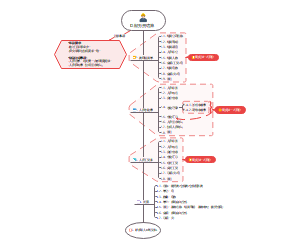
Choose of Materials and
Processes
如何选择恰当的材料?
The performance of a material under different service
conditions can be defined by the appropriate materials
property
• Values can be used as a metric to compare the benefits of one
material versus another
• For new materials, these properties can be determined by
standardised tests
• Often it is not one single material property that is important
and cost and ease of manufacture must also be considered
子主题
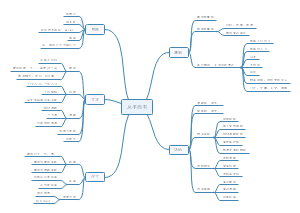
Manufacturing Processes
1. Processing operations - transform a work
material from one state of completion to a
more advanced state
改变材料几何形状属性外观
Operations that change the geometry, properties, or
appearance of the starting material
造型Shaping Processes – Four Categories
凝固1. Solidification processes - starting material is a
heated liquid or semifluid
加热至液体或高塑形状态Starting material is heated sufficiently to
transform it into a liquid or highly plastic state
casting process
铸造过程
casting product
颗粒处理2. Particulate processing - starting material
consists of powders
原始材料粉末 压制烧结(1) Starting materials are metal or ceramic
powders, which are (2) pressed and (3)
sintered
变形3. Deformation processes - starting material is a
ductile solid (commonly metal
超出材料屈服强度的力Starting workpart is shaped by application of
forces that exceed the yield strength of the
material
forging
锻造
extrusion
挤压
材料去除4. Material removal processes - starting material
is a ductile or brittle solid
Excess material removed from the starting
piece so what remains is the desired
geometry
2. Assembly operations - join two or more
components to create a new entity
紧固2. Mechanical assembly – fastening by mechanical
methods
• Threaded fasteners (screws, bolts and nuts); press
fitting, expansion fits
basic science
弹性性质Elastic properties
Stiffness or elastic modulus
定义:The elastic modulus (or stiffness, E) defines the resistance of a
material to elastic deformation
It is defined as the ratio (for small strains) of the stress to strain
Engineering Stress
Tensile stress拉伸应力
Shear stress剪切应力
Engineering Strain
Tensile strain
Lateral strain横向应变
Shear strain:
Linear Elastic Properties
Other Elastic Properties
Elastic Stored Energy
Stored energy per unit volume of material (or work done in J/m3) can be
determined from the area under the stress-strain curve
The maximum elastic (recoverable) energy stored corresponds
to an applied stress equal to the elastic limit
For a given stress, stiffer materials will store less elastic energy
单位:The SI units are those of stress (N/m2)
什么决定弹性模量?What dictates the Elastic Modulus
Examine the structure of materials and the nature of the
forces holding the atoms together
Properties from Bonding
Ionic Bonding离子键
Occurs between + and - ions
• Requires electron transfer
• Example: NaCl
Strong primary bonding (the strongest type !)
Covalent Bonding共价键
Requires shared electrons
• Example: CH4
Bonding is directional
Strong primary bonding
Metallic Bonding金属键
Arises from a sea of donated valence electrons
(1, 2, or 3 from each atom).
Free electrons gives good conductivity
Strong primary bonding (weaker than ionic and covalent)
Secondary Bonding次级键
偶极Arises from interaction between dipoles
• Permanent dipoles-molecule induced
变形时滑动而不是拉伸,弱碱决定性质而不是碳碳主键As polymers deform it is the chains that slide past each other,
they do not stretch. It is the weak secondary bonds that dictate
stiffness and not the strong covalent bonding of the C-C
backbone