导图社区 治愈系英语-总结篇
- 166
- 9
- 4
- 举报
治愈系英语-总结篇
治愈系英语导图,让你轻䡆了解英语本质,能够自由输入,输出。很详细,有需要的同学一定要收藏一下哟~
编辑于2022-03-16 17:49:53- 治愈系英语

- 相似推荐
- 大纲
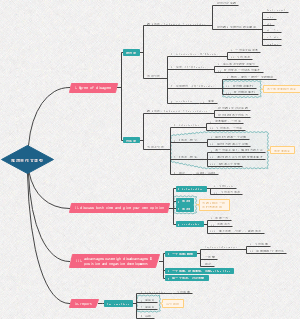

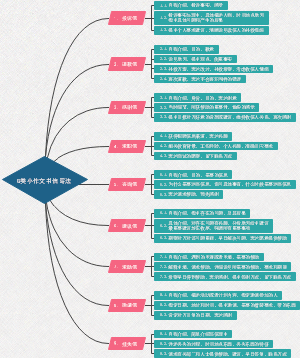
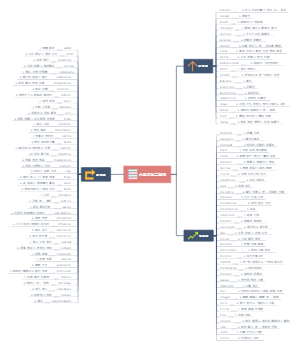

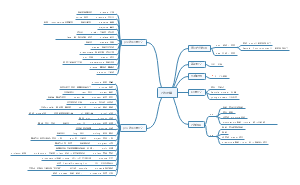

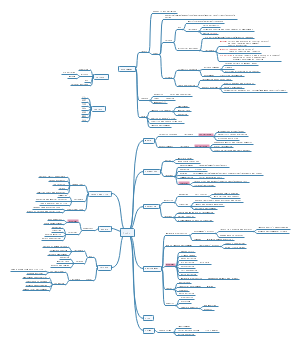

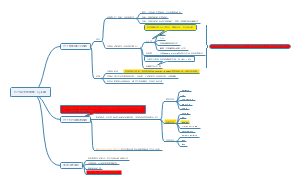
治愈系英语 -总结篇
时态
7大体系
时态+被动语态+情态动词+虚拟语气+陈述句从句+非谓语动词
8大充节
连词,冠词,代词,使动词,使役动词,系动词,独立主格,倒装句
特殊疑问句
一般现在时
do/does
一般过去时
did
一般将来时
be going to do
现在进行时
be doing
时态
时间
现在
过去
将来
过去将来
特点
一般
完成
进行
完成进行
时态的组成
一般现在时
一般过去时
一般将来时
现在完成时
过去完成时
将来完成时
现在进行时
过去进行时
将来进行时
现在完成进行时
过去完成进行时
将来完成进行时
疑问词
Who/whom(谁)
what(什么)
whose谁的
which(哪个)
when(什么时候)
where(哪里)
why(为什么)
how(怎么)
主语
第一人称
我
I
me
my
mine
myself
我们
We
us
our
ours
ourselves
第二人称
你
you
you
your
yours
yourself
你们
you
you
your
yours
yourselves
第三人称
他
he
him
his
his
himself
她
she
her
her
her
herself
它
it
it
its
its
itself
他们
they
them
their
theirs
themselves
时表词
be
am
我
are
你,你们,我们,他们
is
他,她,它(第三人称单数)
do
does
常用时态
一般现在时
平常 一般 老 肯定回答
一般过去时
过去的事情,动作已发生
一般将来时
以后的事情,动作还未发生
现在进行进
现在的事情,动作正在发生
句子
疑问句
特殊疑问句
有疑问词
有多种回答
一般疑问句
无疑问词
只有两种回答
你平常在家吃饭吗
do you eat at home
do you usually at eat home
你吃了吗
did you eat
Have you eaten?
你准备吃饭吗
are you going to eat
Are you ready for dinner
你在吃饭吗
are you eating
Are you eating?
否定疑问句
在时表词后加not
你平常不看电视吗
don't you watch TV ?
Don't you watch TV?
你为什么不给他打电话
why didn't you call him
Why don't you call him
你不准备买个手机吗
aren't you going to buy cellphone
Aren't you going to get a cell phone?
他为什么没在吃饭
why isn't he eating
Why isn't he eating
陈述句
肯定句
否定句
10*4公式练习
一般过去时
你没给他打电话吗
didn't you call him
Didn't you call him
你为什么没给他打电话
why didn't you call him
Why didn't you call him
你给他打电话了吗
did you call him
Did you call him
你为什么给他打电话
why did you call him
Why did you call him
你给谁打的电话
who did you call
Who are you calling
你在哪里给他打的电话
where did you call him
Where did you call him
你什么时候给他打的电话
when did you call him
When did you call him
你怎么给他打的电话
how did you call him
How did you call him
你用什么给他打的电话
with what did you call him
What did you call him from
你跟谁一起给他打的电话
with whom did you call him
Who did you call him with
你用谁的手机给他打的电话
with whose phone did you call him
Whose cell phone did you call him from
你用的哪部手机给他打的电话
with which phone did you call him
Which phone did you use to call him
一般将来时
你不准备给他打电话吗
aren't you going to call him
Aren't you going to call him
你为什么不打算给他打电话
why aren't going to call him
Why aren't you going to call him
你要给他打电话吗
are you going to call him
Are you going to call him
你为什么要给他打电话
why are you going to call him
Why are you calling him
你要给谁打电话
who are you going to call
Who're you gonna call?
你准备在哪给他打电话
where are you going to call him
Where are you going to call him
你打算什么时候给他打电话
when are you going to call him
When are you going to call him
你打算怎么给他打电话
how are you going to call him
How are you going to call him
你要用什么给他打电话
with what are you going to call him
What are you going to call him with
你要跟谁一起给他打电话
with whom are you going to call him
Who are you going to call him with
你要用谁的手机给他打电话
with whoes phone are you going to call him
Whose cell phone are you calling him from
你要用哪部手机给他打电话
whit which phone are you going to call him
Which phone are you gonna use to call him
现在进行时
你没在给他打电话吗
aren't you calling him
Aren't you trying to call him
你为什么没在给他打电话
why aren't you calling him
Why aren't you calling him again
你在给他打电话吗
are you calling him
Are you trying to call him
你为什么在给他打电话
why are you calling him
Why are you calling him
你在跟谁打电话
who are you calling
Who are you talking to on the phone
你正在哪里跟他打电话
where are you calling him
Where are you talking to him on the phone
你正在什么时候给他打电话
when are you calling him
What time are you calling him
你在咋给他打电话呢
how are you calling him
I can't believe you're calling him
你在用啥给他打电话呢
with what are you calling him
What are you using to call him
你在跟谁一起给他打电话呢
with whom are you calling him
Who are you calling him with
你在用谁的手机给他打电话
with whoes phone are you calling him
Whose cell phone are you calling him from
你在用哪部手给他打电话
with which phone are you calling him
Which hand are you using to call him
一般现在时
你平常都不给他打电话吗
don't you call him
You don't usually call him
你平常为什么不给他打电话
why don't you call him
Why don't you call him normally
你平常都给他打电话吗
do you call him
Do you usually call him
你为什么平常老给他打电话
why do you call him
Why do you always call him
你平常都跟谁打电话
who do you call
Who do you usually call
你平常都在哪给他打电话
where do you call him
Where do you usually call him
你平常都什么时候给他打电话
when do you call him
When do you usually call him
你平常都咋给他打电话
how do you call him
I don't know how you call him
你平常都用啥给他打电话
with what do you call him
What do you usually use to call him
你平常都跟谁一起给他打电话
with whom do you call him
Who do you usually call him with
你平常都用谁的手机给他打电话
with whoes phone do you call him
Whose cell phone do you usually call him on
你平常都用哪部手机给他打电话
with which phone do you call him
Which phone do you usually use to call him
测试
一般过去时
你没买吗
didn't you buy it
Didn't you buy
你为什么没买
why didn't you buy it
Why didn't you buy it
你买了吗
did you buy it
Did you buy
你为什么买它呢
why did you buy it
Why did you buy it
你在哪买的
where did you buy it
Where did you buy it
你什么时候买的
when did you buy it
When did you buy
你咋买的
how did you buy it
Does your zha to buy
你用什么买的
with what did you buy it
What did you buy it with
你和谁去买的
with whom did you buy it
Who did you buy it with
你买给谁的
to whom did you buy it
Who did you buy it for
你用谁的钱买的
with whoes money did you buy it
Whose money did you buy it with
你用哪张卡买的
with which bank card did you buy it
Which card did you buy it with
判断
你要去北京
are you going to beijing
OK
are you going to go beijing
OK
现在进行时表将来
不可延续的词表将来
go
走;达到;运转;趋于
come
来;开始;出现;发生;变成;到达
leave
离开;留下;遗忘;委托
arrive
到达;成功;达成;出生
start
开始;启动
begin
开始;首先
作业
你要去北京吗?
are you going to beijing?
你不打算告诉他吗?
Aren't you going to tell him?
你怎么给他打的电话
how did you call him
他要和谁去买房子
Who is he going to buy a house with
with whom is he going to buy a house
他没回来吗?
Didn't he come back?
你是在找我吗?
Were you looking for me?
他昨天为什么没来
Why didn't he come yesterday
你找到他了吗
Did you find him
他要离开北京吗
Is he leaving Beijing
你平常跑步吗
Do you usually run
一般现在时
以现在为中心的一段时间
平常习惯与真理平常,一般,老
eat
call
watch
come
study
需要重复,才可延续至一个时间段,因些表示习惯,需要加平常,一般,老
know
have
has
like
hate
want
need
look
look like
不需要重复 便可延续至一个时间段 不需加平常,时态极好判断 不强调过去或将来就是现在
判断
aren't you going to love me
结构
中文意思
常用不常用,地道
结构成立+中文意思+绝对正确
do you love me
are you loving me
did you love me
are you going to love me
how do you think of him
how did you think of him
how are you going to think of him
how are you thinking of him
do you miss me
did you miss me
are you missing me
are you going to miss me
+名词(n)想要
want
need
+to do +sb to do
一般现在时与一般过去时特殊性
因为时表词与动词是同一个词
使用与疑问词与主语相同的句子里
疑问词与主语相同时
谁给你打的电话
who did who call you
who did call you
who called you
疑问词与主语相同省掉主语
动词连上did 变过去式 加ed called
补充说明:一般过去式变化规则:
绝大部份动词的过去式都 是在这个动词原形的后面加ed
如:
work
worked
以字母e结尾的动词变过去式一般只用在后面加字母d
如:
like
liked
以一个元音字母和一个辅音字母结尾的重读闭音节动词,双写末尾的辅音字母,再加ed
如:
travel
travelled
以辅音字母加y结尾的动词,变y为i再加ed
如:
study
studied
不规则变化的动词
如:
see
saw
你给谁打电话
who did you call
什么发生了
what did what happen
what happened
谁认识他
who does who know him
who knows him
does动词后加s
谁,什么,不知道的情况下一定要用三单,does
当主语是谁或什么的时候一定要用does
谁在哭
Who is crying
谁来了
Who's coming
who is going to come
列句
what happens
发生什么
what happened
发生什么了
what is happening
正发生什么
what is going to happen
将要发生什么
作业:
他看起来怎么样
What does he look like?
what is he like?
how does he look?
你不想吃饭吗
Don't you want to eat
他长什么样
what does he look like
我看起来紧张吗
Do I look nervous
我平常都不在家吃饭吗
Don't I usually eat at home
谁说的
Who said that?
谁打算跟我一起学英语
Who is going to study English with me
谁在找我
Who is looking for me
昨天谁来了
Who came yesterday
什么改变了他
What changed him
中文句子中,有像加like, 没像不加 like
区别想(want)强调的是欲望,与打算,准备,要(be going to do)强调打算计划
不带动词的句子
扩充点
com back
fly back
fight back
call back
run back
pull back
take back
talk back
look back
give back
get back
lean back
turn back
jump back
ask back
造句
鸟儿为什么会在冬天飞回来
why do birds fly back in winter
你为什么不反击
why didn't you fight back
你想让我什么时候给你回过去
When do you want me to call you back
你是打算跑回来吗
Are you going to run back
你把它夺回来吗
Did you take it back
你为什么老顶嘴
Why do you always talk back
why do you talk back
人们为什么在机场会回头看
Why do people look over their shoulder at airports
why do people look back at the airport
你把钱还回去了吗
Did you give the money back
did you give the money back
你怎么把它弄回来的
How did you get it back
你平常都会往后靠吗
Do you usually lean back
你当时转身了吗
Did you turn around
你要跳回来吗
Are you going to jump back
你是在反问我吗
Are you asking me a rhetorical question
你为什么要把他拉回来
Why did you pull him back in
句子
疑问句
带动词
动作
陈述名
不带动词
状态
疑问词+时表词+主语+
名词
形容词
副词
介词短语
状态
副词
here
there
介词短语
介词+名词
in
on
at
from
状态是不会出现现在进行时的
重点
有动词用
do
does
did
没动词用be动词
一般现在时
am
我
is
第三人称单数
are
你及所有复数
am not
isn't
aren't
一般过去时
was
我和第三人称单数都用
were
你及所有复数
wasn't
weren't
例如:
did he get married
is he married
does he come form china
is he form china
补充
why
表原因
为什么
how
表惊讶
怎么
状态*12
他是老师吗
is he a teacher
他为什么是老师
why is he a teacher
他怎么是个老师
how is he a teacher
他不是老师吗
isn't he a teacher
他为什么不是老师
why is he a teacher
他咋就不是老师了
how is he a teacher
他以前是老师吗
was he a teacher
他以前为什么是个老师
why was he a teacher
他以前怎么会是名老师呢
how was he a teacher
他以前不是老师吗
wasn't he a teacher
他为什么以前不是老师
why wasn't he a teacher
他之前怎么会是名老师呢
how wasn't he a teacher
手机phone
is the phone on the desk
why is the phone on the desk
how is the phone on the desk
isn't the phone on the desk
why isn't the phone on the desk
how isn't the phone on the desk
was the phone on the desk
why was the phone on the desk
how was the phone on the desk
wasn't the phone on the desk
why wasn't the phone on the desk
how wan't the phone on the desk
疑问词
问什么什么就是疑问词
重复
信息完整
列如:
你吃的什么
你去哪个国家了
谁家的狗在叫
你喜欢什么颜色
你想成为什么样的人
你喜欢吃什么牌子的蛋糕
你们家的地是用什么牌子的地板砖铺的
他多漂亮
你多久上一次课
疑问词
who
what
whose
which
who
whom
what
名词性疑问词,可以单独做成份
what
whose
which
形容词性疑问词,后面需加名词
when
where
why
how
时间
地点
原因
方式
副词性疑问词,副词是用来修饰动词的
副词
修饰动词
suddenly
beautifully
quickly
slowly
loudly
修饰形容词及副词(表 程度的词)
so
very
pretty
quite
a little
too
extremely
how
对是程度的提问
how very beautifully
how old
how beatiful is she?
how beatiful she is
变感叹词
how 单独使用时
修饰动词时
提问方式
怎么
修饰形容词/副词
提问程度
多
句中无动词时
询问情况
怎么样
惊讶,怀疑
怎么会
列如:
how beautiful is she
how is she beatiful
how beautiful she is
how did she get beatiful
how about
表提出建议或请求
修饰形容词
how old
how big
how beautiful
how tall
how long
how many
how much
修饰副词
how fast
how often
how soon
how slowly
how much
how long
many
修饰可数名词
后面的加s
how many times
how many friends
how many books
how many days
how many dogs
how many cars
much
修饰不可数名词
后面不加s
how much water
how much food
how much time
how much money
how much work
how much time
time
做时间时不可数,做次数时可数
只要对动词进行提问的就直接用
how much
作业:
你吃了多少食物
how much food did you eat
你一年挣多少钱
how much money do you make in one year
你有多少朋友
how many friends do you have
我跟你说多少次了
how many times did I tell you
你多久回一次家
how often do you go home
你准备在这里呆多久
how long are you going to stay here
你多想念他
how much do you miss him
作业
你有多少钱
how much money do you have
你需要多少时间
how much time do you need
你多久上一次课
how often do you have classes
你做了多少工作
how much work did you do
你喝了多少水
how much water did you drink
你多喜欢他
how much do you like him
你的婚礼怎么样
how was your wedding
五节课内容总结回顾:
第一课
时态
中文流程
特殊疑问句
第二课
一般疑问句
否定疑问句
现在进行时表将来
第三课
两种有特殊性时态的问句
一般现在时的问题
第四课
不带动词的问句
第五课
疑问词
五节课作业标准答案:
作业1
你买什么了
what did you buy
你刚说什么
what did you say about
你在说什么呢
what are you saying about
你告诉谁了
who did you tell
你在等谁
who are you waiting for
你要去哪个国家
which country are you going to go to
你什么时候回来
when are you going to come back
你一般什么时候睡觉
when do you sleep
你要去哪学习
where are you going to study
你怎么来的
how did you come
作业2
你要去北京吗
are you going to go to BJ
are you going to BJ
你不打算告诉他吗
aren't you going to tell him
你怎么给他打的电话
how did you call him
他要和谁去买房子
with whom is he going to buy a house
who is he going to buy a house with
他没回来吗
didn't he come back
你是在找我吗
are you looking for me
他昨天为什么没来
why didn't he come yesterday
你找到他了吗
did you find him
他要离开北京吗
is he going to leave BJ
is he leaving BJ
你平常跑步吗
do you run
作业3
他看起来怎么样
how does he look
你不想吃饭吗
don't you want to eat
他长什么样
what does he look like
我看起来紧张吗
do I look nervous
你平常都不在家吃饭吗
don't you eat at home
谁说的
who did who say it
who said it
谁打算跟我一起学英语
who is going to stduy English with me
谁在找我
who is looking for me
昨天谁来了
who come yesterday
什么改变了他
what changed him
作业4
这件事重要吗
is the thing important
他没在这里吗
isn't he here
你最喜欢的人是谁
who is your favorite person
他多漂亮
how beautiful is he
远吗
is it far
你还没准备好吗
aren't you ready
他来自中国吗
is he form china
does he come form china
你昨天为什么那么累
why were you so tired
花儿为什么这么漂亮
are flowers so beautifu
这手机不好看吗
isn't the phone beautiful
作业5
作业:
你吃了多少食物
how much food did you eat
你一年挣多少钱
how much money do you make in one year
你有多少朋友
how many friends do you have
我跟你说多少次了
how many times did I tell you
你多久回一次家
how often do you go home
你准备在这里呆多久
how long are you going to stay here
你多想念他
how much do you miss him
作业
你有多少钱
how much money do you have
你需要多少时间
how much time do you need
你多久上一次课
how often do you have classes
你做了多少工作
how much work did you do
你喝了多少水
how much water did you drink
你多喜欢他
how much do you like him
你的婚礼怎么样
how was your wedding
被动语态
结构
be+done
动词是be动词
when is the hamburg going to be eaten
when is the hamburg being eaten
when is the hamburg is eaten
when is the hamburg eaten
when was the hamburg was eaten
when was the hamburg eaten
常用的词,过去式及过去分词
吃
eat
ate
eaten
告诉
tell
told
told
卖
sell
sold
sold
买
buy
bought
bought
带
bring
brought
brought
拿
take
took
taken
看
see
saw
seen
写
write
wrote
written
偷
steal
stole
stolen
给
give
gave
given
扔
throw
threw
thrown
咬
bit
bitten
bitten
过去式及过去分词
开除
fire
fired
fired
找到
find
found
found
移动
move
moved
moved
制造
make
made
made
建造
build
built
built
解决
solve
solved
solved
举行
hold
held
held
邀请
invite
invited
invited
拒绝
refuse
refused
refused
惩罚
punish
punished
punished
选择
choice
chose
chosen
养育
raise
raised
raised
结束
finish
finished
finished
完成
complete
completed
completed
翻译
translate
translated
translated
列句:
这辆车被谁卖了
by whom was this car sold
这辆车被卖给谁了
to whom was this car sold
谁被卖了
who was who sold
who was sold
他借了你多少钱
how much money did he borrow you
他借给你多少钱
how much money did he lend you
borrow
借入
对主语来说
lend
借出
对主语来说
你的手机被谁借走了
by whom was your phone borrowed
谁借走了你的手机
who borrowed your phone
主语是谁 借入borrow
你把手机借给谁了
to whom did you lend the phone
主语是你 借出 lend
一般疑问句的被动句
他被开除了吗
was he fired
这个问题会被解决吗
is this problem going to be solved
这个房子被卖给他了吗
was this house sold to him
那个会议正在北京被举行吗
is the meeting being held in BJ
如有两个疑问词时用and连起来
他什么时候在哪被找到的
where and when was he found
他什么时候又是怎么来的
when and how did he come
选做题
罪犯被逮捕了吗
那个病人正在被抢救吗
错误被改正了吗
他被打败了吗
他是被他的父母抛弃了吗
现在完成时
特点对比(一般过时,现在完成时)时间点
一般
没特点
纯叙述
完成
强调完成
对之后的事情有影响
一般句子里会有
已经
还没
过
句子里会有
already
yet
ever
never
just
before
once
twice
three
times
对比:
我吃了一个汉堡
我已经吃了一个汉堡了
我看了一部电影
我已经看过这部电影了
我没给他打了个电话
我还没给他打电话
一般过去时
表示过去的一个时间段,与现在无关,一般接过去的时间
现在完成时
从过去开始一直延续到现在的时间段
时间点与时间段的判断
句中的时间
他昨天就已经走了
我已经在这里住一辈子了
我2007年告诉的他
我已经告诉他两天了
他上个星期走了
他走了一个星期了
他那个夏天这里住过
他之前在这里住过仨个月
他睡了一会儿
时态
have done
has
has是have的第三人称单数
时间段
对于一个时间段的提问和回答要用
how long
和
for
或
since
动词要用可延续,如不可延续要变成可延续的谓语动词或系动词
例如:问,答。绿色为一般过去时,黑色为现在完成时
你知道多久了
我知道很久了
你住在这里多久了
我在这里住两年了
你之前在这里住过多久
我之前在这里住过两年
他们造地铁多久了
他们造地铁好几个月了
你睡了多久了
我从八点睡的
你工作多久了
我从5年前就工作了
你之前在这里工作过多久
我之前在这里工作过5年
你学英语多久了
我学英语3年了
你之前学过多久的英语
我之前学过3年的英语
你看电视多久了
我看电视俩小时了
你喜欢英语多久了
我从小就喜欢英语
不可延续的词变了be动词
come
arrive
come back
go
leave
go out
begin
start
finish
die
wake up
join
put on
open
close
lose
be动词
be here
be back
be away (from)
be out
be on
be over
be dead
be up (awake)
be in
be on
be open
be closed
be missing
如果换不成be动词就换动词
borrow
keep
buy
have
catch a cold
have a cold
hear
know
如果前面两者都不好变就用
how long has it been since
find
你找到钥匙多久了
eat
你吃了多久了
tell
你告诉他多久了
fire
你开除他多久了
知识点归纳
只有在表示时间段时,动词需要变延续
when 提问时间点,一般都用一般过去时;
how long 提问时间段
have been to
表示去过
区别
have been to
have gone to
have been in
情态动词
can
could
能力
could 是 can 的过去式
许可
could 比 can 更委婉
推测
can 不能用于肯定句,但有两种情况下可以
理论上不可能而实际有可能时
can 加 only 时
有时
can+be/get
惊讶, 怀疑
will
would
将要
would 是 will 的过去时
提出建议或请求
would like 是由 want 和 like 变时表词而来
过去或现在的习惯,倾向性
may
might
允许
表请求允许时,只能用在第一人称疑问句中,might 比 may 更委婉
表给予请允许时,只能用在第二三人称陈述句中,只能用 may
推测
may 不能用于疑问句句首,也就是一般疑问句
might 比 may 的可能性更小,如果想变大,加 well,表示加强语气
祝愿
may+陈述句(动词用原型)
may you be happy
不妨,还是
may / might + as well
must
have to
must 表主动
have to 表被动
must 可以表示推测
musn't 和 have to 不可以
对 must 的否定回答
要用
not have to
或
not need to
shall
should
ought to
be supposed to do
shall 用于第一人称疑问句中表征求意见
用于第二,三人称陈述句中表
命令
警告
承诺
决心等
ought to 比 should 语气重,场合更正式
should 等于 be supposed to do
可表推测
need
dare
need 和 dare 有情态动词与实义动词两种用法
在疑问句与否定句中,两种都可以用
在肯定句中只能用实义动词
need doing 可表被动
情态动词
情态动词是时表词
情态动词后加动词原型
主+谓+宾 主+系+表
谓语部分=时态/情态动词+谓语动词
系语部分=时态/情态动词+系动词
谓语或系语部分=时态/情态动词+动词
例句:
动词
他吃
he (does+eat)eats
他吃了
he (did+eat) ate
他将要吃
he(be going to do+eat) is going to eat
他在吃
he (be doing+eat) is eating
他已经吃过了
he (have done+eat) has eaten
系动词
他在北京
he (does+be) is in BJ
他昨天在北京
he (did+be) was in BJ
他将在北京
he (be going to do+be) is going to be in BJ
他正在在北京
he (be doing+be) is being in BJ
他已经在北京2年了
he(have done+be) has been in BJ for 2 years
情态动词
他能来
he can come
他可能会来
he could come
他将会来
he will come
他可能是个老师
he could be a teacher
他一定在家
he must be at home
他可能是对的
he may be right
be动词5种时态
be动词5种时态
am
is
are
一般现在时
was
were
一般过去时
be going to be
一般将来时
be being
现在进行时
have/ has been
现在完成时
+
n
a
adv
介短
done
被动时
be being 用在被动时
只要是被动时,就是主 系 表
表推测
can
cluld
may
might
表可能
肯定句
can不能用
3种
一般疑问句
might不能用
3种
特殊疑问句
4种都能用
否定句
4种都能用
否定句
can't
couldn't
不可能
may not
might not
可能不
must
表一定
should
表应该
表提出建议或请求,允许,许可
will
would
can
could
may
might
疑问句
建议或请求 第二人称
许可 第一二三人称
允许 第一人称
may
might
陈述句
建议或请求
许可第一二三人称
允许 第一人称
may
情态动词
情态动词时态(两种)
do 动词原型
表现在或将来
be doing
表进行
have done
表过去
对过去的推测
can
can't
may
might
must
对过去的评介
could
表 能力
能 可以
would
表 推测
将要 会
should
needn't
虚拟语气
虚拟语气结构
与将来可能相反
虚拟语气条件句
if+主+ did / were to / should do
主句
主+ would/could/should/might do
如果明天下雨,我们就取消课程
If it rains tomorrow, we'll cancel the class
if it rained tomorrow, we'll cancel the class
if it were to rain tomorrow, we'll cancel the class
if it should do rain tomorrow, we'll cancel the class
与现在相反
虚拟语气条件句
if+主+did/ were
主句
主+ would/could/should/might do
如果我有钱的话,我可能会买个手机
If I had money, I might buy a mobile phone
如果他现在在这的话,我们就能告诉他这个好消息
If he were here now, we could tell him the good news
如果我是你的话,我不会那样做的
I wouldn't do that if I were you
如果我有个哥哥的话,我就能向他请求帮助
If I had a brother, I could ask him for help
与过去相反
虚拟语气条件句
if+主+ had done
主句
主+ would/could/should/might have done
如果你没起那么晚的话,你本来该完成作业的
You would have finished your homework if you hadn't got up so late
如果我昨天早到些,那个孩子是可以被救的
If I had come earlier yesterday, the child could have been saved
如果你早告诉我,我当时不会对他那么生气的
If you had told me, I would not have been so angry with him
如果我早知道他是这种人,我不会帮他的
If I'd known he was like this, I wouldn't have helped him
只与主句相反
要加一个否则 要不然
不是句子用
without
but for
句子用
otherwise
or
只与从句相反
wish
我希望
我希望和你一样高
I wish I were as tall as you
How I whish
我多希望; 我真希望
我多希望现在下雨呀
How I wish it would rain now
我多希望他没离开呀
How I wish he hadn't left
if only
只要;要是……多好
要是我听了你的建议就好了
If only I had taken your advice
would rather
宁愿,宁可
As if
as though
Even if
even though
错综时间句
从句是过去 主句是现在
是成立的
从句是过去 主句是将来
是成立的
陈述句第一部分
句子结构
主+谓
主+谓+宾
谓语部分=时态/情态动词+谓语动词
列举-谓语部分
时态列:
特殊疑问句
一般现在时
do/does
一般过去时
did
一般将来时
be going to do
表打算
will
表结果
现在进行时
be doing
他吃
he(does+eat)aets
he aets
他吃了
he(did+eat)ate
he ate
他将要吃
he be going to do+eat) is going to aet
he is going to aet
他在吃
he(be doing+eat)is eating
he is aeting
他已经吃过了
he(have done+eat)has eaten
he has eaten
b动词的5种时态:
be动词5种时态
am
is
are
一般现在时
was
were
一般过去时
be going to be
一般将来时
be being
现在进行时
have/ has been
现在完成时
+
n
a
adv
介短
done
他在北京
he(does+be) is in bejing
he is in bejing
他昨天在北京
he did+be) was in bejing
he was in beijing
他将在北京
he be going to do+be) is going to be in beijing
he is going to be in beijing
他正在在北京
he (be doing+be) is being in beijing
he is being in beijing
在已经在北京2年了
he(have done+be) has been in beijing for 2 years
he has been in beijing for 2 years
情态动词:+原型:
他能来
he can come
他可能会来
he could come
他将会来
he will come
他可能是个老师
he could be a teacher
他一定在家
he must be at home
他可能是对的
he may be right
谓语或系语部分=时态/情态动词+动词
主+谓+宾+宾补
补充说明宾语的情况,修饰说明宾语的情况
如:他把房间涂成了蓝色
He painted the room blue
如:他把头发染成了黄色
He dyed his hair yellow
宾+宾补可造成 (主 系 表) 结构
主+谓+间宾+直宾
有两个做宾语的时候:动作的直接受益者为直宾
如:他给我讲了一个故事
他:主语 我:间宾 故事:直宾
He gave me a chance
如:他给了我一次机会
他:主语 我:间宾 机会:直宾
He told me a story
主+系+表
系语部分=时态/情态动词+系动词
谓语或系语部分=时态/情态动词+动词
结构+情态动词
任何一句话都要有时态或情态动词
情态动词
can
can only
can be
can get
could
will
would
would like
may
may as well
might
might as well
must
have to
shall
should
ought to
be supposed to do
need
dare
句子结构+时态
情态动词
do
动词原型 表现在或将来
be doing
表进行
have done
表过去
对过去的推测
can
can't
may
might
must
对过去的评价
could
would
should
needn't
句子结构+情态动词
掌握所有结构的句子
高频词汇组句型扩充
want
他想让你现在就过来
need
我需要洗澡
need
我明儿得早起
have to
你不用担心
had better do sth
你最好等会给他打电话
had better(not) do sth
你最好别告诉他这件事
have sht to do
我有很多工作要做
祈使句:
表说话者对,对方的请求、命令、叮嘱、邀请、劝告、警告等
祈使句主语是:你或你们
动词需要用原型
祈使句主语可以省略
如:试一下
请看
开心点
休息一下
祈使句否定前面直接加Don't
祈使句前面可以加
never
always
带动词
不带动词
let
如:+v/a/adv/介短
让我们走吧
Let's go
让他出去
Let him go out
让我进去
Let me in
让我们做朋友吧
Let's be friends
let us
表示的是单方
可以用
Don't
not
子主题
let's
表示的是双方
我们别告诉他真相了
Let's not tell him the truth
只能用
not
让我们别做作业了
Let's not do our homework
否定
not
Don't
省略
一杯咖啡,谢谢
再一分钟
再来一个
不定代词做主语
nobody
everybody
somebody
anybody
列句
都别动
来个人告诉我
都进来
都站起来
来人叫救护车
被动
禁止
no+N/doing
公共场合提示
禁止拍照
禁止抽烟
禁止乱扔
反义疑问
别告诉他,行吗?
Don't tell him, will you
告诉我,行吗?
tell me,will you
tell me,won't you
认真点,行吗?
让他走吧,行吗?
让我们出去吧,行吗?
there be
there be+名词
是(主 系 表)结构
如:
屋里有多少人
桌上有多少书
中国有多少人
杯子里有多少水
加情态动词
屋里应该有10人
There must have been 10 people in the room
桌上肯定有很多书
中国可能有很多人
杯子里将会有很多水
感观系动词
look
看起来
你看起来很累
sound
听起来
这主意听起来不错
smell
闻起来
这花闻起来很香
taste
尝起来
这道菜尝起来很美味
feel
摸起来
这种材料手感不错
+adj/+like+n
花
花时间
人花物
spend
(spent/spent)
物花人
take
(take/taken)
也有带走的意思
花金钱
人花物
spend
(spent/spent)
物花人
cost
(cost/cost)
人花物
如:我准备花三个小时去学习
物花人
如:做作业花了我两个小时
使用方式:
spend time+(in) doing/ onsth/ with sb
你花了多长时间在你的作业上
你一般都花多长时间做作业
他花了多久看电视
it take (sb) time to do sth
做作业花了你多久
你找到他花了多长时间
什么耽误了你这么久
区分差别
做作业花了我两小时
物花人
我花了两小时做作业
人花物
我做了两小时的作业
跟花没有关系,直接造就行
I did my homework for two hours
what....for
what....for 类似于 why
这是干嘛的
what is this for
这电脑是干嘛的
你买电脑干麻
你干麻告诉他
what did you tell him for
how come+陈述句(怎么会出现种情情况)
你怎么会在这
how come you aer here
你怎么会知道
你怎么会不喜欢他
你怎么会不知道
你怎么会输了(lose)
how come you lost
how about / what about +n/doing/陈述句
提出建议或请求
出去走走怎么样
我们去哪啊?北京怎么样
what if
一般现在时
如果他走了怎么办
你要变胖了怎么办
他们不来怎么办
如果有人敲人怎么办
虚似语气
练习150句话做为总结
你准备好玩转语法了吗!
句子的种类
按结构分
简单句
he is a boy
并列句
he is a boy,and he came here
复合句
he is the boy who came here
从句
非谓语动词
按类型分
陈述句
肯定句
否定句
疑问句
特殊疑问句
一般疑问句
句子的本质
5种句子结构
8种句子成分
11类词性
组合
11种词类
动词
时表词
名词
形容词
副词
介词
代词
连词
冠词
数词
感叹词
数词可分为
数序词
基数词
8大句子成分
主语
名词
代词
谓语
动词
宾语
名词
代词
表语
名词
形容词
副词
介短
done
补语
名词
形容词
副词
介短
done
同位语
如:
Mr,Smith,my teacher, will not come tomorrow
I met Tom, one of my friends
同位语只能同位名词
同位谁,就要谁的后面加,号
定语 (前置定语 后置定语)
对名词进行修饰限定的词语
如:
a new car
a cute girl
定词一般为形容词
材料 用途 时间 地点 内容 类别
形容词
a clver boy
a young man
a new car
名词
a diamond ring
a stone bridge
the pohone number
the railway station
a story book
the grammar rules
children eudcation
代词
my book
his name
our mooey
some books
many people
every day
数词
three boys
two cars
the fisrt person
the last one
副词
后置定语
china today
the situation now
the boy there
介词短语
后置定语
the book on the table
people around the world
the money in the drawer
状语
修饰动词,副词,形容词或整句
表示时间,地点,原因,方式,程度
时间
he came yesterday
he called me this morning
he is going to come at night
地点
he is going to come here
he didn't go there
I put the book on the desk
I saw him on the street
原因
he bought the flower for her
he died of heart disease
he jumped with excitement
方式
they are talking in English
he came in queitly
they are playing happily
程度
he is very/so/too/pretty/quite young
the book is very/so/too/pretty/quite interesting
I can barely see anything
I am deeply moved
系
be动词
5大句子结构
主+谓
he died
he left
he is eating
主+谓+宾
he bought a car
he likes cars
he is watching tv
主+谓+宾+宾补
he calls me tom
he painted the room blue
he made me angry
主+谓+间宾+直宾
he bought me a car
he told me a story
he gave me a book
主+系+表
he is a teacher
he is tall
he is here
he is in beijing
陈述句第二部分
一句话在句子结构完整,并不涉及到并列句和复合句的情况下,想变长,只能加定语,同位语和状语
公式:一个简单句在句子结构完整的情况下,想变长,只能加定语和状语(介词短语和副词)
如:
a boy bought a car
two young boys at school bought their first second-hand sports car
two young boys at school excitly bought their first second-hand sports car with thier parents in the afternoon last week at 4s shop with quite a lot of money.
状语要放在动词前面翻译
定语放在修饰的(名词)人或物前面翻译
two young boys at school excitly bought their first second-hand sports car with thier parents in the afternoon last week at 4s shop with quite a lot of money.
翻译:
two young
at school
boys
excitly
with thier parents in the afternoon last week at 4s shop with quite a lot of money.
bought their first second-hand sports car
副词:
副词作状语时,可前,可后,可中:
在句中时,要在时表词前后,一般置后
做定语时放在所修饰的名词之后
一句话加上或去掉副词结构不变
介词短语
介词短语由介词+名词、doing、从句组成
作状语时,一般可前可后;
做定语时:要紧跟修饰的名词
状语在动词之前翻译;定语要放在修饰的名词之前翻译,一般加;的
如:
he even didn't tell me
he is really a teacher
he clearly knows it
he didn't even tell me
he really is a teacher
he quickly got into the room
翻译方式
I saw him on the street(on the street,i saw him)
the phone on the desk is mine
he bought the car with a lot of money
he went to beijing
people all around the world came here
I have travelled all around the world
I bought a car at 4s shop
look at the sentences on the blackboard
write the sentences one the blackboard
因为:副词/介词短语时,我们要注意的是,他即可做定语,也可做状语。
区分
副词很好区分,因为做定语时必需放在名词后做时间和地点
副词做介词短语时,就要自己去分析做定语适合还是做状语合适
副词/介词短语
定语/状语
主要是由副词/介词短语构成的
怎么放
怎么翻译
怎么区分
公式反用:举一反三
he went abroad
主 谓结构 abroad 这样做为副词
he is going to drive abroad
he is是主语 going to drive谓语 abroad副词
he flew abroad
he is learning abroad
he saw him abroad
he is lost abroad
he was killed abroad
he is working abroad
he is abroad
主 系 表
he went upstairs
he died upstairs
he is studying upstairs
he ran upstairs
he sleeps upstaris
he is drank upstairs
I didn't see him upstairs
he is waiting upstairs
he is upstairs
判断词子时分三方面:
句子结构对不对
中文意思是对的
在再常用不常用 任何一句话都可以加副词
公式反用:词性判断-清晰
he lives XX
主 谓 XX 副词或介词短语
I don't know about X
I主语 don't know谓 主谓完整了,只能加副词或介词短语 about这里是介词(关于) X一定是个名词
she is angry XX
she is angry 主 系 表 是完整的 所以XX只能加副词或介词短语 可以是一个介词短语,两个词 或两个副词 如果后X是me 那吗前X是介词
he X on the street
on the street是介词短语 X肯定是谓语,可以判断是动词。所以只有为状语
I left beijing X him
I left beijing 主 谓 宾 X肯定是介词
he is looking X
he is looking 主谓 x如果是名词就是 主谓宾 或者X为副词
he lives near here
near here介词短语 near 介词 here为名词
he lives here
主 谓 here是副词
he came here late
两个都是副词
判断时,可以把一个词给去除看看本身的意思有没有变,就是副词,如果意思变了。就是介词短语
及物动词
可直接加名词
I found him
不及物动词
名词前需加介词
he went to beijing
he lives in beijing
I am thinking about shis thing
he is looking at you
he is listening to the music
I am talking to you about him
he got home late
home 做为副词
公式造句,突出结构 get
vi 到达
主 谓 宾
vt 得到
link.v 变得
变化系动词
主 系 表
状态转换成动作
a,adv,介短,done
get
he is tall
he got tall
it is dark
it got dark
she is old
she got old
she is married
she got married
he is angry
he got angry
he is up
he got up
he is down
he got down
he is in the car
he got in the car
he is off the car
he got off the car
he is out of the house
he got out of the house
he is fired
he got fired
作业的要求,明确知道句子结构
如:
I met him on the street yesterday
I met him主 谓 宾 on the street介词短语/yesterday副词
案例
我5分钟就回来(如果没有明确状态)
I'll be back in five minutes
I'll come back in five minutes
I'll get back in five minutes
他还没回来
He hasn't come back yet
He hasn't be back yet
He hasn't get back yet
注意事项
在有动词的情况下,强调动作完成,用现在完成时
已经,还没,过
用现在完成时
have/ has been
现在句子是如没有动词
有 (已经,还没,过)
也跟现在完成时没有关系
如:
他还没确定
He's not sure yet
一般用这三个词
already
yet (表否定时可以用)
still (表肯定时)
高频介词的补充
in
on
to
方向
east
west
south
north
如:
广州在中国的南部
Guangzhou is in the south of China
内部的用 in
广西在广东的西部
Guangxi is on the west of Guangdong
靠边上的用on
日本在中国的东部
Japan is to the east of China
不靠边上的用to
往东走200米
Go east for 200 meters
方向
over
under
on
beneath
above
below
over有正上方的意思,还有一个是覆盖的意思
前后
in the front of
in
at the back of
in front of
before
in
at back of
behind
周围和附近
by
beside
next to
around
near
比较近的用里面的,比较远的用外面的
在中间
between
among
in the middle of
穿过
through
across
over
past
by
代替
instead of
instead
根据
according to
以.......什么为基础
based on
除了
besides
包括除了的那一部分
except
不包括除了的那部分
在什么的前面
ahead of
可以用数词,量词来修饰
几
afew of
several
a couple of
至于
as for
表原因
Due to
owing to
Because of
on account of
as a result of
多亏了
thanks to
如:
多亏了你的帮助,我们才得以成功
Thanks to your help, we were able to succeed
常用的表原因,比较小块的原因
for
at
from
of
with
by
out of
through
介词、副词多意思
关于的意思
of
比较渐的关于
他前几天提到了他的老板
我昨天想到了这件事
I thought of it yesterday
about
正常的关于
我们聊到了他的老板
We talked about his boss
我昨天考虑了这件事
on
正式的关于
这是本关于中国历史的书
like
当喜欢时=动词
当像时=介词
as
我们选 他作为队长
他把这书当扇子用了
我是在以朋友的身份跟你说话
作为
ln exchange for
ln return for
ln reward for
如:
作为帮我的报答,我告诉了他真想
In return for helping me, I told him what I really wanted
为了报答他的好意,他给他指了路
In return for his kindness, he showed him the way
疑问句的翻译方法:
疑问句句子结构判断及更多重要花式运用
who
whom
what
名词性疑问词 主 宾 表 补
whom 是宾格
whose
which
形容词性疑问词,形容词+名词,名词可以做,主,宾,表
when
where
why
how
副词性疑问词,是修饰动词的,做壮语。在翻译时,需放在动词前翻译
翻译列句疑问词以状语进行翻译
did you tell him
are you going to buy a car
is he watching tv
did you see him on the street
when did you see him on the street
how did you come
why did you tell him
加名词,作主 宾 表
what else are you going to give him
who are you calling
what are you looking at
who are you looking for
by whom was he fired
who was he fired by
to whom was the house sold
which hospital did you go to
变形-清晰结构
with whom is he angry
who is he angry with
for what did he by the computer
what did he buy the computer for
at which hospital did you see him
which hospital did you see him at
with what money did he buy the car
what money did he buy the car with
by what did he go to beijing
what did he go to beijing by
连词 第10单,第9节
这些连词可以连接句子内所有成分的
Neither...nor
我和他都不想见你
Either...or
不是你错了就是我错了
Not only...but also
不仅他,而且TOM也去了北京
As well as
他不光去了北京还去了上海
就远原则
Both...and
And
I and him went to beijing
连主语
I like basketball and football
连宾语
He is kind and friendly
连表语
I went to beijing and shanghai
连介词短语
he runs fast and beautifully
连副词
he came back and left
连谓语(句子)
he made me excited and happy
补语
my teachers,Mr G and D, will come later
同位语
代词,不定代词
代词
人称代词
主格 宾格
物主代词
形容词性物主代词,名词性物主代词
反身代词
myself
ourselves
yourself
yourselves
himself
herself
itself
themselves
相互代词
each
other
on another
指示代词
this
that
these
those
不定代词
不定代词
some
any
some常用语于肯定句,any常用于不定和疑问句
我有一些问题
I have some questions
我买了一些书
I bought some books
some表示提出建议和请求,Any表示任何(单数)时除外
任何人都能做到
Anyone can do it
我喜欢任何运动
I like any sport
every
each
every三者或以上 each两者或以上
道路两边都有很多商店
这衣服的每一面都很脏
The dress is dirty on every side
every强调整体等于all each强调个体
每个人都有辆车
Everyone has a car
他每天都很快乐
He is happy every day
other
the other
another
other(s)
the other(s)
一个是特定的用Other
我有三个弟弟,一个是医生,其他的是老师
我们去了北京,其他的人去了上海
没有特定的用 the other
另外一个用another,且单数时
他们去了另一个房间
我不喜欢这个,你能再给我一个吗
both
neither
either
all
补充:四种同样的说法
to
a lso
as well
so am I
如:
他是个老师我也是
to lso只能用于肯定句
many
much
补充
Many
So many
too many
much
so much
too much
a lot of
lots of
little
a little
few
a few
复合不定代词
Someone
somebody
something
Anyone
anybody
anything
No one
nobody
nothing
Everyone
everybody
everything
复合不定代词有6个特性
定语置后
我有重要的事要告诉你
给我讲点有趣的事吧
你想来点吃的东西吗
你有玩的东西吗
所有格
这不是任何人的错
你还记得其他人的名字吗
单复数
一切皆有可能
有人在家吗
任何人都会变老
每个人都知道了
祈使句
都别动
都回家吧
名词
你是个无名小卒,他将来会成为大人物
替代
每个人都有自己的问题
有人告诉你了,对吧
所有人都到了,对吗
否定
不是每个人都喜欢你
不是每个东西都很便宜
名词所有格
名词所有的格式
有生命的名词+‘s
单数名词词尾加+‘s
my friend's car
the boy's bag
复数名词不以s结尾+‘s
my friends'cars
these boys' bags
复数名词以s结尾+‘
men's room
children's day
无生命的名词+of+名词
the gate of the school
the window of the room
特殊所有格
分别有分别加 共同所有最后一个加
lily's and lucy's father
lily and lucy's father
表示店铺,教堂,医院等场所或者某人家时可省略所修饰的名词
the barber's
the doctor's
my parents'
一些表示时间,距离,国家,城市等无生命的词也可以+‘或+‘s
today's newspaper
five minutes' walk
china's future
双重所有格
名词+of+名词所有格/名词性物主代词
a picture of Tom's
a picture of Tom
a friend of my father's
a picture of his
a friend of mine
疑问代词
连接代词
关第代词
冠词,陈述段
定冠词用法口诀
江河海洋与群山,沙漠群岛海峡湾
阶级党派朝代名,家庭民族与报刊
厂矿机关农历节,天体组织会议船
习语特指独有词,普通名词专有含
计量单位洋乐器,人的事物再次谈
方位次序最高级,前面都需用定冠
零冠词口决
下列情况免冠,代词限定名词前
专有名词不可数,学科球类三餐饭
复数名词表泛指,两节星期月份前
颜色语种和国名,称呼习语及头衔
从句
从句-使动词
Move
这部电影让我感动
这部电影令人感动
我很感动
Satisfy
这份工作让我满意
这份工作令人满意
我很满意
interest
这本书让我感兴趣
Embarrass
他让我很
Disappoint
你让我失望
excite
thrill
这个消息让我很兴奋
worry
concern
他让我担心
他很令人担心
puzzle
confuse
这个问题让我迷惑
shock
surprise
amaze
这结果让我惊讶
frighten
terrify
horrify
scare
你吓到我了
你真恐怖
我很害怕
impress
他让我印象深刻
frustrate
这结果让我沮丧
Relax
音乐让我放松
Bore
这工作让我无聊
Disgust
你让我恶心
depress
distress
这结果让我郁闷
tire
exhaust
驾驶让我很累
please
delight
这消息让我高兴
annoy
upset
这声音我很恼火
amuse
entertain
他逗乐了我
他很逗
我被逗乐了
补充
worry
worring
worrisome
impress
impressing
impressive
please
pleasing
pleasant
非谓语动词
特殊章节
主题
主题