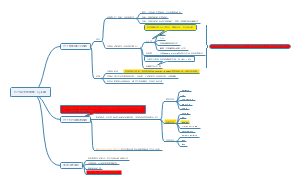
2.bioclimatic interventions—more comfortable urban spaces—improve the quality of life in urban spaces
3.status、problem of HongKong
4. the Sustainable Building Design (SBD) Guidelines and its aim
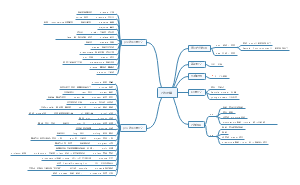
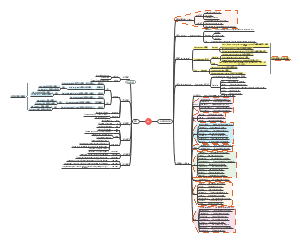
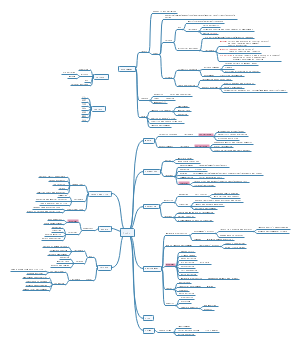
UHI mitigation strategies
Urban form
Urban ventilation
Urban blue space
Urban greenery
Study objectives
(1) expand on existing knowledge of the synergistic effects of UHI mitigation strategies on the microclimates and outdoor thermal comfort of urban waterfronts
2) contribute to a better understanding of bioclimatic design strategies for more appropriate urban redevelopment.
Methodology
Study area
location/climate/temperature
property/density
Microclimatic measurements
Acquisition period
Survey location
Measuring instruments and indicators
ENVI-met simulation
Model description:a holistic three-dimensional non-hydrostatic microcli-
mate model intended for the simulation of surface-plant-air interactions
Model setup
climate: subtropical hot-
humid summer climate
meteorological data :30min
relative indicators:linear interpolation
Simulation scenarios
the previous building configu-
ration (Case A)
redeveloped building configuration (Case B)
Case B with the adoption of a ventilation corridor and extensive greenery (Case C)
Data analysis
results
Evaluation of the ENVI-met model
Synergistic effects of waterfront UHI mitigation strategies
Ta between Cases A,B and C
Comparison of wind speed between Cases A,B and C
Comparison of Tmrt between Cases A,B and C
Comparison of PET between Cases A,B and C
Cooling effect of extensive greenery
Cooling effect of trees on Ta
Cooling effect of green facade and green roof on Ts
Discussion
Effect of UHI mitigation strategies on microclimate change and thermal comfort improvement
Practical implication for UHI mitigation strategies along waterfronts
Conclusions
evaluated the synergistic effect of UHI mitigation strategies on
local microclimate and outdoor thermal comfort in a waterfront and inner urbanised setting of Hong Kong’s Victoria Dockside area.
Three scenarios for a typical summer day were simulate using ENVI-met
demonstrate the synergistic effects of bioclimatic design on UHI mitigation along waterfronts.