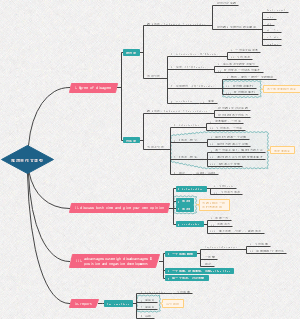
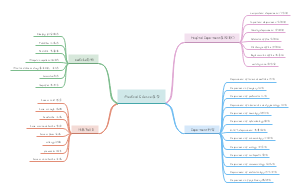
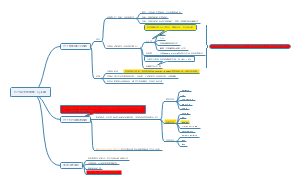
1.Planning provides direction to managers and nonmanagers alike
2.Planning reduces uncertainty by forcing managers to look ahead, anticipate change, consider the impact of change, and develop appropriate responses
3.Planning minimizes waste and redundancy.
4.planning establishes the goals or standards used in controlling. When managers plan, they develop goals and plans.
Planning and Performance
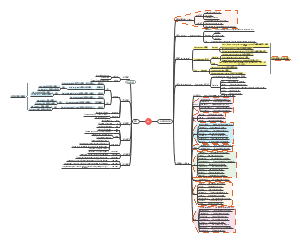
1.Generally speaking, formal planning is associated with positive financial results—higher profits, higher return on assets, and so forth.
2.It seems that doing a good job planning and implementing those plans play a bigger part in high performance than does how much planning is done.
3.In those studies where formal planning didn’t lead to higher performance, the external environment often was the culprit.
4.The planning-performance relationship seems to be influenced by the planning time frame.
Goals and Plans
Definations
Planning is often called the primary management function because it establishes the basis for all the other things managers do as they organize, lead, and control.
Plans are documents that outline how goals are going to be met. They usually include resource allocations, schedules, and other necessary actions to accomplish the goals. As managers plan, they develop both goals and plans.
Types of Goals
Strategic
Strategic goals are related to all other areas of an organization’s performance.
Financial
Financial goals are related to the financial performance of the organization
Types of Plans
Breadth
Time Frame
Specificity
Frequency of Use
Setting Goals and Developing Plans
Approaches to Setting Goals
Goals set by top managers flow down through the organization and become subgoals for each organizational area.
And the goals passed down to each succeeding level guide individual employees as they work to achieve those assigned goals.
The appeal is that it focuses on employees working to accomplish goals they’ve had a hand in setting.
When top managers define the organization’s goals in broad terms—such as achieving “sufficient” profits or increasing “market leadership”—these ambiguous goals have to be made more specific as they flow down through the organization.
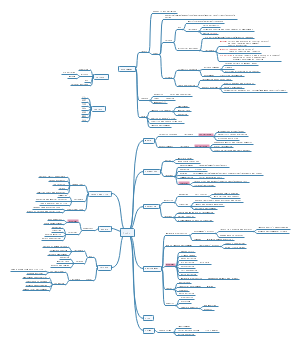
STEPS IN GOAL SETTING
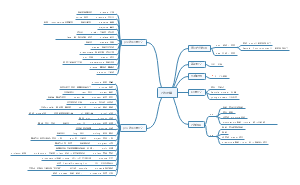
1.Review the organization’s mission, or purpose.
2. Evaluate available resources.
3. Determine the goals individually or with input from others
4. Write down the goals and communicate them to all who need to know.
5. Review results and whether goals are being met.
goal specificity, participative decision making, an explicit time period, and performance feedback.