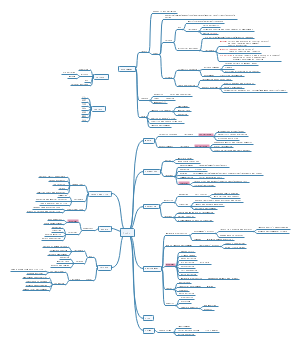
导图社区 Introduction of Reserch Method in Psychology
这是一篇关于Introduction of Reserch Method in Psychology的思维导图,感兴趣的小伙伴可以点赞加收藏
编辑于2022-09-30 05:42:19Reserch
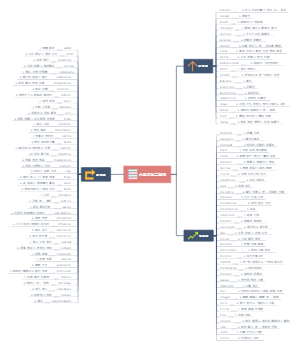
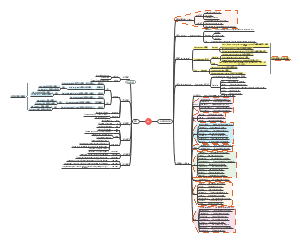
Qualitative reserch
ask a questigon(no prediction), then let people answer it
Naturalistic
Inductive
Subjective
Resech question
Mainly word based data
opened minded questions(what and how)
what strategy students use for developing their skills?
how do people living an inner city view their country?
Quantitative reserch
set a hypothesis(prediction) and use data to prove or disprove it
Manipulative
Deductive
Objective
Hypothesis
Numeric
looking for variables(what,how and does)
how much money students spend a week?
what is the percentage of students who come from China?
does this policy lower the crime rate?
The Object of Research
WORD
Abstraction
Theory
An explanatian of a particular behaviour or phenomenon, typically based on psychological reserch
Experimentation
Revision
Derivation
Data
Interpretation
Empirical Hypothsis
A specific prediction about a behaviour or phenomenon which is could be tested by psychologycal reserch project
Null hypothesis
prediotion that no effects will be found
Example: after drinking Cola, the personality of sample would not be changed
Alternative hypothesis
prediction that the effects will be found
Example: after drinking Cola, the mood of sample would be changed
one-tailed hypothesis
The effects would be specified
Example: the participants would be very happy after drinking Cola
two-tailed hypothesis
The effects will be found, but without directional predictions
Example: after drinking Cola, the mood of participants would be changed, but only diff before and after. not sure better or worse
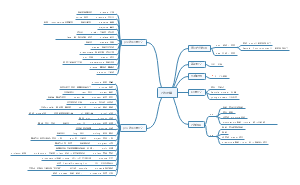
Resech Process
Two factors in a well designed piece of reserch 1 Validity: Does the design measure what you what it to? 2 Reliability: Does the design provide a consistent measure?
1 Reserch idea
1 Pick a topic 2 Translate topic into question or translate topic into hepothesis 3 Preemption reserch
2 Reserch design
1 Selection the methodological approach 2 Operationalizing variables/materials 3 Crafting procedures/ paradigms 4 Determing sample 5 Evaluating the practicality of the reserch
3 Collecting data
1 Approvel for study via RIB 2 Preparation to connect study 3 Recruiting subjects 4 Conducting the study 5 Coding and entering data
4 Analyzing
1 Data prepation and screening 2 Evaluating sample or materal statistically 3 Evaluating procedure statistically 4 Analysing reserch hypothesis 5 interpreting the results
5 Publication Process
1 Decide when to start writing paper 2 How to write psychology manuscript 3 How to write in APA fomat 4 how to decide where to submit manuscript 5 Journal review Process 6 Talks, Posters, and other ways to disserminate your work
1 Identify research questions
2 Develop hypotheses
3 Design study to test the question
4 Apply for ethical approval
5 Run the study, collect data from sample
6 Analyze the data
•use descriptive statistics, inferential statistics
7 Write up results in a report, disseminate
Reserch Design

Basic question about reserch design
Type of study: Observational? Experimental?
Who will take part? Why? Do they represent the wider population? How will you source them?
What will be data look like?
Will the data answer the question?
Reserch ethics
•See excellent guides by the British Psychological Society; American Psychological Association; Research Councils •Any research carried out will need to be approved by the University Ethics Committee (at the School level or higher)
Respect the individual and groups,
Align with your competence
Be carried out with responsibility
Be performed with integrity and honestly
Maximise positive impact on individuals and society;
Minimise risk and harm
Respect the right of the individual and groups
Participation should be voluntary and informed (your participants should consent to taking part and to the use of their data)
Be conducted with integrity and transparency. With honesty and with clear lines of responsibility and accountability
Be free of undue influence. No conflicts of interest or if they exist they should be declared
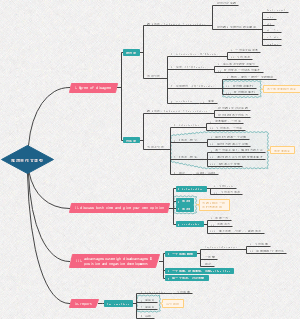
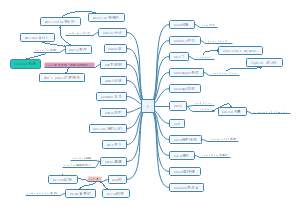
Data Analysis
Descriptive Statistics
Single numbers that best represent and capture the entire data set
Central tendency, its centre
Data Dispersal, its spread
other will be showed on later class
Split the statistics into two types
Numbers
Description of statistics
Inferential Statistics
Use a measure of the data (a statistic) that captures the data so that it answers your research question
Use of what are commonly referred to as statistics here such as t-tests, correlation and many others
Disseminate
Reporting your study
Write a report
A blog or a tweet
Give a talk or a presentation
Write an academic journal article
Describe your study thoroughly
Answering the common questions of:
Why do the study?
What did you do?
How did you do it?
What do you find?
What does it mean?
Individual difference
Social psychology
Development psychology
Biological psychology
Cognitive psychology
浮动主题
浮动主题
浮动主题
Spread e.g:the range
Central eg: the average
Needed skills for developing any studies
Leadership
Time management
Communication
Financial management
Data management
Patience
Sense of humour