导图社区 resources and trade
resources and trade
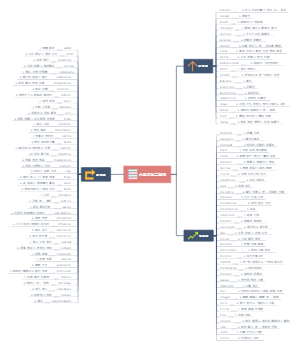
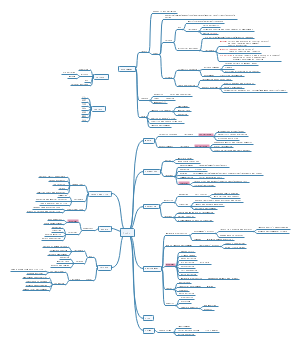
这是一篇关于resources and trade的思维导图,This model shows that comparative advantage is influenced by
编辑于2022-10-17 13:36:35 四川省
- resources and trade
这是一篇关于resources and trade的思维导图,This model shows that comparative advantage is influenced by
- LABOR PRODUCTIVITY ANDCOMPARATIVE ADVANTAGE
we begin with a general introduction to the concept of compara- tive advantage and then proceed to develop a specific model of how comparative advantage determines the pattern of international trade.
- Consumer Choice and Demand
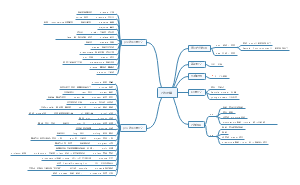
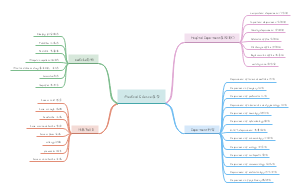
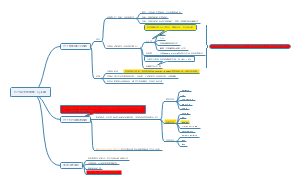
这是一篇关于Production and cost的思维导图,主要包括Types of Firms、Cost and Profit、Production、 Short-Run Production Cost、Long-Run Production Cost。
resources and trade
社区模板帮助中心,点此进入>>
- resources and trade
这是一篇关于resources and trade的思维导图,This model shows that comparative advantage is influenced by
- LABOR PRODUCTIVITY ANDCOMPARATIVE ADVANTAGE
we begin with a general introduction to the concept of compara- tive advantage and then proceed to develop a specific model of how comparative advantage determines the pattern of international trade.
- Consumer Choice and Demand
这是一篇关于Production and cost的思维导图,主要包括Types of Firms、Cost and Profit、Production、 Short-Run Production Cost、Long-Run Production Cost。
- 相似推荐
- 大纲