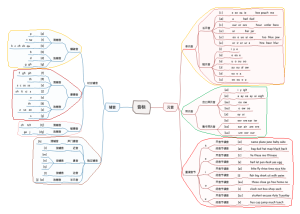
导图社区 时态思维导图
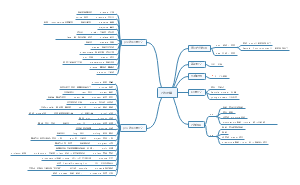
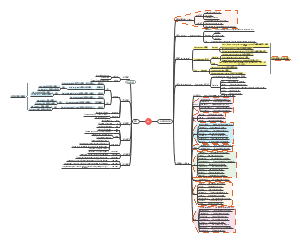
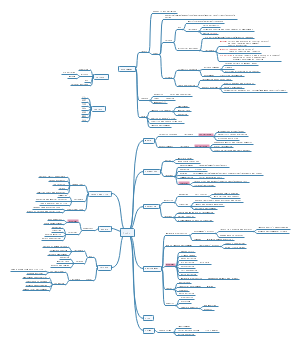
各种时态思维导图含例句,主要整理了过去的过去、过去、现在、未来时态的定义及用法。希望对你有所帮助!
提示: 本内容由社区用户上传并分享。平台不对内容的真实性、合法性、知识产权归属及是否侵害第三方权利进行事前审核或保证。本内容可能包含受版权保护的图片、字体或其他第三方素材,使用前请自行确认授权范围。
社区模板帮助中心,点此进入>>
英文雅思大作文的命题类型和写作框架总结!
G类小作文书信写法
六级高频单词
英语学习:P的逻辑
英语学习p字母相关的单词
医学相关的英语词汇
L814音乐
系动词be的语法
48个国际音标标准学习
topic
时态
过去的过去
过去完成进行体
过去完成体(had +-ed
“已完成”与现在完成相仿,过去完成体把时间推移到过去某一时间之前,与现在时间不发生联系
e.g. I had wtitten the article when they come.
“未完成”一直延续到过去时间
e.g. By six o'clockthey have worked twelve hours.
过去
一般过去时(did)
过去习惯动作和一度存在状态
可用used to\ would +不定式,would只能与动态动词连用且常用于正式语体,used to 不受限制
e.g. He used to smoke.
表示过去时间,与现在不发生关系,动作状态都已成为过去,现已不复存在
e.g. His father was an English teacher all his life.(父亲已死)
表示现在时间和将来时,,表示婉转口气或做想象性用法(虚拟语气)
过去进行时(was\were doing)
表示过去某时正在进行的动作
e.g. What are you doing yesterday at seven p.m.
表示过去某种习惯性动作
e.g. George was getting up at five every day that week.
表示过去将来时间里的动作
按计划即将发生的过去将来时态
They were leaving a few days later.
在时间状从或条件状从中表示过去将来时间即将进行的动作
e.g. He told me to week him up if he was sleeping.
表示现在时间和将来时间里的动作
表示委婉口气,仅限于hope,want,wander
e.g. I was hoping\hoped you could send me some book.
表示主观臆想,过去进行体这一用法经常与一般时交换使用
I wish he was going\went
现在
一般现在时(do)
表示不受时间限制的客观存在
e.g. The earth rotates(自转) on its axis(地轴).
表示现在习惯动作
e.g. Father does not smoke.
表示现在时态和现在瞬时动作
表现在状态通常都有一定连续性,只适用于表示短暂动作的动态动词
e.g. What do you think, Jane?
瞬间现在时
对快速体育运动的实况报道
e.g. Harper passed the ball to Jennings shoots and the goalkeeper laeps for it but ——yes. It is a goal.
戏法表演,技术操作表演等解说词中
专门用于或日常用语中,此类用法动词有:declare, wish, agree, apologize, deny, name, object, promise, say, sentense, suggest, sympathize 等
表示将来时
I hope\ I bet 等后 that 分句用一般时表将来
e.g. I hope you have a good time.
see (to it)\make sure\ make certain+that 分句
I will make sure (that) you don't get lost
if\when 引导的条件或时间状从,主将从现
表示过去时
能用现在时表过去的动词:tell, say,hear, laern, gather 等
e.g. I hear poor old Mrs Smith has lost her son.
一般现在时作为一种修辞手法,在记叙文或新闻报道中追述往事以增进表述的生动性和真实性,即“历史性现在时”
现在进行时(is\are doing)
表示说话时正在进行的动作
e.g. A: What are you doing? B: I am writting a letter.
表示现阶段一直在进行的动作
现阶段一直在进行,但说话时不一定在进行
e.g. Jane is studying law while her sister is doing physics.
现在进行体常与always, continually, constantly, for ever等频道状语连用,对现阶段经常发生的动作表示某种感情色彩,多半表示不满
e.g. She is always borrowing my money and forgetting to pay me back.
表示按计划近期内即将发生的动作(见“将来”中的第四条)
表刚刚过去的动作
e.g. I don't know what you are are taking about.
表委婉语气
e.g. I am hoping you'll give us some advice.
现在完成时(have\has done)
"已完成“:动作或过程发生在说话之前某个没有明确说出的过去时间,现在已经完成了并与现在情况有联系。
He has turned off the light.
"未完成“:动作或状态从过去某时开始,,继续到现在,还可能继续下去,也可能刚刚结束。
He has live here since 1900.
现在完成进行时(have\has been doing)
与“未完成”相仿
将来
一般将来
will\shall +动词原形
表单纯将来时
will还可表“决心”“意愿”
e.g. I will study hard to keep up with my classmates
shall用于第一、三人称问句中,还可表示征求对方意见
e.g. Shall I go with you?
be going to +动词原形
多用于口语,强调事先“打算、计划要做的事或有迹可循的事
e.g. what are you going to do this morning?(表打算)
e.g.Look! there are so many clouds in the sky. It is going to rain.(表有迹可循)
be doing 现在进行表将来
多于表示位移的动词连用:come, go, arrive, fly, start 等
e.g. She is leaving to Beijing.
一般现在时表将来
主要用于时间状从或条件状从中
e.g. I will tell him as soon as I see him.
用于按时刻表规定要发生的动作
e.g. My plane takes off at seen tomorrow morning.
过去将来
was\were going to +动词原形
e.g. I thought the film was going to be very interesting.
would\should +动词原形
e.g. No one know which country would held the next Olypic Games.