导图社区 第四章Lesson Planning
- 63
- 0
- 0
- 举报
第四章Lesson Planning
这是一篇关于课程规划的结构思维导图,全片用英文进行阐述,分为宏观规划和微观规划,课程计划也是教学计划的组成部分。感兴趣的小伙伴可以下载收藏哟。
编辑于2022-11-03 08:14:34- 课程规划

- 相似推荐
- 大纲




第四章Lesson Planning
why is lesson planning important?
Principles for good lesson planning
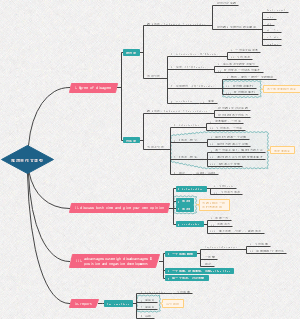
1.Aim目标性——The realistic goals for the lesson The teacher needs to have a clear idea of what he/she would like to achieve for the lesson or what outcomes are expected from the lesson. Aims are not the things teachers intend to do during the lesson,but the things that students are able to do by the end of the lesson. 2.Variety多样性——课堂上设计不同的活动 It means planning a number of different types of activities and where possible, introducing students to a wide selection of materials so that learning is always interesting, motivating and never monotonous for the students. 3.Flexibility灵活性——准备额外的活动以备不时之需 It means preparing some extra and alternative tasks and activities as the class does not always go according to the plan so that teachers always have the options to cope with the unexpected situations rather than being the slaves of written plans or one methodology. 4.Learnability可学性——内容要在学生可理解范围内,否则会削弱积极性It means the contents and tasks planned for the lesson should be within the learning capability of the students. 5.Linkage联系性——前后活动联系紧凑 It means the stages and the steps within each stage are planned in such a way that they are someway linked with one another. Good linkage makes the lesson transit from one stage to the next smoothly and students experience less anxiety.
Macro planning vs. micro planning
Macro planning 宏观计划 What is Macro planning? Macro planning is planning over a longer period of time, for instance, planning for a whole programme or a whole-year course.This is done by a group of teachers who are to teach the same course. In a sense,macro planning is not writing lesson plans for specific lessons but rather helping teachers get an overall feeling or idea about the course and also get familiarized with the context in which language teaching takes place. Macro planning involves the following: Knowing about the profession; Knowing about the institution; Knowing about the learners; Knowing about the curriculum/syllabus; Knowing about the textbook; Knowing about the objectives.
Micro planning微观计划 Micro planning is planning for a specific unit or a lesson,which usually lasts from one to two weeks or forty to fifty minutes respectively. This is often an individual activity and different teachers may have different ways of writing their own lesson plans. 宏观一般是长期的大家一起做的对于整个课程的规划微观的是短时间的教师自己做的对于某节课的规划
备课三备:备教材 备学生 备教法 备课三备:备教材 备学生 备课堂 备课六步骤: 第一步:研读课标和教材。(弄清要求和章节的地位,梳理知识点) 第二步:画出知识网络结构图。(厘清思路,搞清关系) 第三步:确立学生学习目标。(简洁、具体、具有可检测性) 第四步:分析学情确立学生的起点和出发点。(已知、未知、应知) 第五步:精心设计教学的各个环节。(写教案)(根据学情,从学习者的视角来设计教学活动;注意前后衔接和逻辑关系) 第六步:设计导向性信息,制作简洁实用适量的PPT。
Components of a lesson plan
Background information 背景信息,包括课型、学生、时间等。 Teaching aims 教学目标,我们在写教案时候可以用objective这个目标噢 Language contents and skills
Stages and procedures教学过程 ①Five-step teaching model:五步法 • Warm-up/a starter/revision; • Presentation; ·Drilling; · Consolidation; • Summary and homework. ②PPP model (structure-based lesson) ③PWP model (skill-oriented lesson)这三个模式可结合起来使用噢,不是必须用某个Teaching aids如课件、粉笔、投影、直观教具等 End of lesson summary 课堂总结 Optional activities and assignments 可选的活动可以用作备份,以防课程进行太快,还剩几分钟。如果没有足够的时间,可以灵活地取消。 After lesson reflection课后反思 此外,我们还可以添加blackboard design板书设计
Sample lesson plans
第四章Lesson Planning
why is lesson planning important?
Principles for good lesson planning
1.Aim目标性——The realistic goals for the lesson The teacher needs to have a clear idea of what he/she would like to achieve for the lesson or what outcomes are expected from the lesson. Aims are not the things teachers intend to do during the lesson,but the things that students are able to do by the end of the lesson. 2.Variety多样性——课堂上设计不同的活动 It means planning a number of different types of activities and where possible, introducing students to a wide selection of materials so that learning is always interesting, motivating and never monotonous for the students. 3.Flexibility灵活性——准备额外的活动以备不时之需 It means preparing some extra and alternative tasks and activities as the class does not always go according to the plan so that teachers always have the options to cope with the unexpected situations rather than being the slaves of written plans or one methodology. 4.Learnability可学性——内容要在学生可理解范围内,否则会削弱积极性It means the contents and tasks planned for the lesson should be within the learning capability of the students. 5.Linkage联系性——前后活动联系紧凑 It means the stages and the steps within each stage are planned in such a way that they are someway linked with one another. Good linkage makes the lesson transit from one stage to the next smoothly and students experience less anxiety.
Macro planning vs. micro planning
Macro planning 宏观计划 What is Macro planning? Macro planning is planning over a longer period of time, for instance, planning for a whole programme or a whole-year course.This is done by a group of teachers who are to teach the same course. In a sense,macro planning is not writing lesson plans for specific lessons but rather helping teachers get an overall feeling or idea about the course and also get familiarized with the context in which language teaching takes place. Macro planning involves the following: Knowing about the profession; Knowing about the institution; Knowing about the learners; Knowing about the curriculum/syllabus; Knowing about the textbook; Knowing about the objectives.
Micro planning微观计划 Micro planning is planning for a specific unit or a lesson,which usually lasts from one to two weeks or forty to fifty minutes respectively. This is often an individual activity and different teachers may have different ways of writing their own lesson plans. 宏观一般是长期的大家一起做的对于整个课程的规划微观的是短时间的教师自己做的对于某节课的规划
备课三备:备教材 备学生 备教法 备课三备:备教材 备学生 备课堂 备课六步骤: 第一步:研读课标和教材。(弄清要求和章节的地位,梳理知识点) 第二步:画出知识网络结构图。(厘清思路,搞清关系) 第三步:确立学生学习目标。(简洁、具体、具有可检测性) 第四步:分析学情确立学生的起点和出发点。(已知、未知、应知) 第五步:精心设计教学的各个环节。(写教案)(根据学情,从学习者的视角来设计教学活动;注意前后衔接和逻辑关系) 第六步:设计导向性信息,制作简洁实用适量的PPT。
Components of a lesson plan
Background information 背景信息,包括课型、学生、时间等。 Teaching aims 教学目标,我们在写教案时候可以用objective这个目标噢 Language contents and skills
Stages and procedures教学过程 ①Five-step teaching model:五步法 • Warm-up/a starter/revision; • Presentation; ·Drilling; · Consolidation; • Summary and homework. ②PPP model (structure-based lesson) ③PWP model (skill-oriented lesson)这三个模式可结合起来使用噢,不是必须用某个Teaching aids如课件、粉笔、投影、直观教具等 End of lesson summary 课堂总结 Optional activities and assignments 可选的活动可以用作备份,以防课程进行太快,还剩几分钟。如果没有足够的时间,可以灵活地取消。 After lesson reflection课后反思 此外,我们还可以添加blackboard design板书设计
Sample lesson plans