导图社区 英语六级
- 268
- 27
- 3
- 举报
英语六级
全国大学英语六级笔试每年开考两次,分别于6月和12月举行,具体考试时间全国大学英语四、六级考试中心将会在每年年初另行通知。
编辑于2022-12-07 16:20:03 湖北省- 英语六级

- 相似推荐
- 大纲

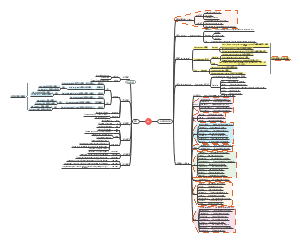

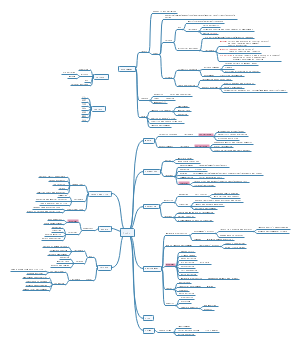

英语六级
听力
1. 顺序原则
97%的听力题目出题顺序与听到的内容出现顺序一致:都是从前往后顺序出现的。
剩下的3%大多是询问“What do we learn about...? ”(文章主旨),其实在文章一开始就会提到,但需要全文听完进行总结(毕竟要看选项)。
因此,当所划的选项关键词都已经听不到时,请迅速开始扫读下一题的选项。这就是所谓的顺序原则在听力题中的应用。
2. 同义替换
四级听力中,至少有50%的正确选项和对应的原文答案句存在同义替换现象,六级听力中比例更高。
常见的同义替换形式有两种:
同义词(主要动词的)替换和同义句式的替换
前者表现为如approve = approval (词根不变,词性变化)more than = over,stress = anxiety这种替换;后者主要包括
主被动语态 的替换, 因果关系 的对调, 肯否定 替换,以及详述和概括的替换等。
听力题几乎每个选项都带有原文词,干扰项通常由
原文词+错误的修饰词 构成。而那些看起来找不到对应的同义替换,反倒是正确答案。
3. 首尾处常设考点
不管是听力的什么题型,新闻、讲座、长对话、短文听力(passages),开头(首句)和结尾(尾句)历来是设题的重点。
多考查对听力材料主旨的把握。且老外叙事喜欢开门见山,四级新闻/六级讲座听力中,一开头就会概述新闻或讲座主题内容,揭示整体结构,通常对应第1题。
因此,开篇划好选项+做好笔记非常重要。
4. 转折、强调处常设考点
当听到明显的转折(
特别在but后 ),意味着有考点的出现。转折通常表示语义变化,在听力中则直接表现为语音语调的变化。
当句中突然出现语音,语调,语速的变化,暗示了答案的出现。升降调
表疑问、表转折、强调 等处常设考点。近年来反复考到的 强调句式do/did +动词原形
5. 比较处常设考点
表示比较的词句前后往往也是(特别是短文听力)出题的重点。
考过的结构如:as ... as, more than any other, not ... as
可能是直接对两个现象或事物进行比较来说明某个问题,也可能是通过一件事来突出另一件事。
6. 年份、年龄、价钱、时间等数字处常设考点
此外,在听到表示数字、年代、时间的表达时,注意听这些数字、年代和时间指代的具体事项和内容,这些通常是考点。一定要记笔记。
当然,预读选项时,4个选项是数字的题目必定会考查与时间/年龄/价格等有关的信息。听到相关信息,just write it down!
7. 综合考查(必考处)
最后,以上6点中了2~3点的内容,考察可能性为90%,必须记笔记 + 听懂每一个细节。
举例说明,假如文中突然出现了时间+地点+比较级+but转折,这句话肯定会考。先记好笔记,等待问题出来后再选答案吧~
综上,根据以上7点,听前,做好主旨和问题的猜测;听中记笔记,听后结合问题印证猜测和答案。
8.表示强调的信号词
1)含义强调:indeed,in fact,do+动词,certainly,specially,especially
2)解释原则:which is,that is,which means,that is to say
3)举例强调:for example,for instance,such as,illustrate
短文听力中,为说明一个问题,常常会使用列举或举例,或直接引用某人的话,这些地方往往是考查的重点。因此当听到such as,for example,for instance,the first,the second等短语或he says,she said,as they say等时应加以留意。
4)结论强调:above all,in short,in a word,in conclusion,all in all,in brief
5)最高级强调:The most/ -est/ chief / primary / main / leading
6)唯一强调:only / unique / prefer / perfect / solely
二、逻辑关系信号词:
1)注意听表示转折和对比的逻辑词:▲ 转折:but, however, nevertheless, yet, still, anyhow, anyway, after all, whereas, while, instead of, otherwise
▲ 转折:but, however, nevertheless, yet, still, anyhow, anyway, after all, whereas, while, instead of, otherwise
2)注意听表示因果的逻辑词:as a result;since,due to;because of;therefore,thus,so;eventually,consequently
9.关键信息和单词
一、序数项信号词first/ another / the other / next / last / in addition / on the other hand二、观点信号词
1) 总结观点:
all in all / in brief / to conclude / at last / in summary / in short
2)陈述观点:
文章中,还有一些表达观点的句子,通常出现在例子之前,表示某人或机构的看法。
因为四六级听力只播放一遍,我们没法等例子信号词for example出现后,再回听观点,但,我们可以通过以下词语来帮助识别观点句。
这些句子通常带有以下特征词:
① Scientist/ psychologist/ expert/professor 做主语
② Believe/found/ estimate/point out/suggest/mean/explain 做谓语
③ Research/ studies/,survey/ finding 做主语
④ Indicate/show/review/are/explain/prove/ mean/ 做谓语
记笔记提醒 →
笔记在精不在多,指代清楚 。只记关键信息和关键词汇。
如果选项中出现了相关词语,
标注好相关内容(时间、地点、人名或相关事件,或者具体数字)
根据信号词,写下具体信息的时候,把笔记和选项比对,自然就知道听到哪一题了。也就能顺着往下听了。
把所记内容与具体的选项进行关联,
建议用箭头标明 。这样听到问题后,看笔记就能轻松选出答案。
尽量用最简单的形式来记笔记,推荐用
简写或符号 。这个在考前的听力训练中非常重要,大家务必重点训练这个技巧。
10.几个原则
相近原则
相反原则
视听一致原则
概括、抽象保留原则
阅读
解题思路
1、扫描题干,划出关键词。选项不要看,用时越短越好。
2、通读全文,抓住中心。
3、仔细审题,返回原文。关键:定位。
定位的三大原则:
(1)关键词定位原则:由题干出发,寻找题干中的关键词,
首选大写字母、数字等,其次是表时间地点人物的词。
(2)自然段定位原则:出题顺序与文章段落顺序大体一致。
(3)出题点定位原则:答案一定蕴涵在有特殊标点符号、
句式列举、强转折逻辑关系的地方。
做题思路
(一)五大解题思路题型A、细节题 1、标志:针对6w1h提问 2、作题的关键在于返回原文,不要凭印象作题,返回原文要有定位意识。3、细节题迷惑选项的常用手段:偷换概念、扩大范围、正反混淆、颠倒因果、常识判断(列举和文章无关的常识,尽管常识是对的,但文章中未提,也是错的) 形式一:词汇题1、标志:在题干中明确指出原文的单词或词组,要求辨其意。2、关键:该单词认识与否并不重要,重要的是该单词的上下文。3、做题方法:在文章中寻找同义词词组;代入替换法。 形式二:指代题 1、标志:在题干中明确指出原文中某个代词,要求辨别其指代关系,即it, that, one 2、做题方法:(1)首先返回原文定位此指代词,90%向上,10%向下, 形式三:句子理解题 1、标志:在题干中明确指出原文中的某句话,要求理解其意思。 2、关键:返回原文,对出题句进行语法、句法、词法的分析,精确了解其含义。 3、注意:重要的不是上下文,而是该句本身。正确答案与原文是同义关系,与原文其他无关联,选项一般无绝对的判断,有绝对判断的则必错。题型C、推论题 1、标志:infer imply 2、整体思路:每个选项都列举了文章的一个事实(或错误事实),3、如果四个选项之中都没明确提到,那么与原文意思最接近,所用推理步骤最少的就是正确答案。 4. 尤其要重视话中有话的陈述句或比喻句或反语或长难句, 这些地方一般是分散列举题出题所在。 题型D、态度题 1、标志:attitude 2、作者态度只分三类(1)支持,赞同,乐观(2)客观,中立(3)反对,批评,怀疑,悲观。除此之外没有其他作者态度。 有些选项一定不是答案indifferent, subjective(主观), biased, puzzling等 3、识别作者态度有以下方法;(1)依据中心句推论(2)当作者态度未明确提出时,要找文章中带有褒贬意义的词(3)根据所举例子的正负来判断,只提一方,则不中立;两方均提,不管例子有多少,是否平衡,都中立。 题型E、主旨题1、标志:best title, main idea, main problem, conclusion, best title, the writing purpose。 2、方法:(1)要着重理解首末段,首末句(2)若主旨在文章中间出现或前后段意转折时,应提高警惕(3)若段中出现转折时,该转折句很可能就是主题句(4)作者有意识重复的观点往往是主旨(5)首段出现疑问句时,对该疑问的解答就是主旨(6)主旨出现时常伴有如下词:but, however, therefore, in short 3、选项特点:(1)正确选项一般不含细节信息,并不含过分肯定或绝对意义的词(2)错误选项的特点是就事论事,或细节信息鲜明,或过于笼统。 (二)微观阅读助理解 微观阅读之一——标点的运用 冒号:前后是从抽象到具体的过程,如把冒号前的看懂,则后面的不看。分号:分号前后是并列关系,只看其中一句即可。 破折号:破折号之后是补充说明成分时跳过不读。 引号:引号有三个作用,引语,反语,强调。 知道观点则引语不看,反语反看。 括号:括号有两个作用,补充说明,解释说明生词。 微观阅读之二——长难句的解析 1、从句又多又长,一主带多从。应对方法:先抓主干, 找出长难句中最核心的主谓宾,再层层扩展,理解。 2、主句或从句中带有长长的插入成分。应对方法:读句子时先找主干,不要理会插入语。如果插入语交代说话人身份或某话是谁说的,或修饰、解释、补充前面所言,跳过不看。 3、分词状语或独立主格的干扰。应对方法:主句最重要的特征是有完整的主谓宾结构,有独立的谓语。 一个看似句子的结构,如果没有独立的谓语,那它不是句子,而是分词状语或独立主格。 4、有时上面三种情况混合。应对方法:从前向后,先找独立的谓语部分,从而区分出主语和分词状语,再根据从句的连词(because, as, when)区分出主句和从句,然后层层扩展理解,插入语在哪个层次就放在哪个层次理解,甚至跳过不看。
写作
常用句型
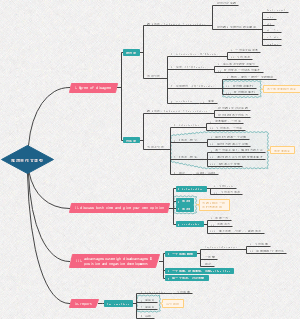
1. 描写漫画、图表的常用句型 2. 句首提出论题或现象的句型 3. 比较、阐述不同观点的常用句型 4. 陈述个人观点/想法的常用句型 5. 结尾的常用句型 1. 用于描写漫画、图表的常用句型 ① As the graph depicts,… ② From the cartoon/picture, we can see that… ③ According to the statistics shown in the first/second graph,… ④ The table shows/indicates/reveals that… ⑤ It can be seen/concluded from the picture/table/figures that… 2. 用于句首提出论题或现象的句型 ① Recently, …has become the focus of the society. ② …has been playing an increasingly important role in our daily life. ③ Nowadays there is a growing concern for… ④ Nowadays it is common to hear/see… ⑤ …has become a common occurrence in our daily life. ⑥ Nowadays more and more people begin to be aware of the seriousness of… ⑦ It is only during the last/past few years that man has generally become aware that… ⑧ There is an old/a popular saying/proverb that says/goes… ⑨ In recent years, there is a general tendency… ⑩ Nowadays…has become a serious problem we have to face. 3. 用于比较、阐述不同观点的常用句型 ① Some people like/prefer…, while others are/feel inclined to… ② There are different opinions among people as to… ③ Some people claim that…is superior to… Others, however, disagree with it. ④ Some people believe… Others maintain… Still others claim… ⑤ Some people suggest… Others, however, hold the opposite opinion. ⑥ On the one hand, people tend to… On the other hand, they feel… ⑦ Some people argue that… Others, in contrast, believe that… ⑧ Although more and more people come to believe that…, there are still others who insist that… ⑨ On the contrary, there are people in favor of… ⑩ There are some people who hold different opinions about… 4. 用于陈述个人观点/想法的常用句型 ① My own experience tells me that… ② In my opinion, we should attach more importance to… ③ As for my own idea about…, I believe that… ④ As far as I am concerned, I plan to… ⑤ Personally speaking, I prefer… ⑥ In my view, both sides are partly right in that… ⑦ But for me, I would rather… ⑧ My own point of view is that… ⑨ In conclusion, I support the statement that… ⑩ As for me, I tend to choose… 5. 用于结尾的常用句型 ① From what has been discussed/mentioned above, we may conclude that… ② Therefore, it is not difficult to draw/come to the conclusion that… ③ It is high time that something was done about… ④ From all the reasons/consideration above, it is evident/clear/obvious that… ⑤ Taking all these factors into account, we may reach the conclusion that… ⑥ Given the reasons I have just outlined/discussed/presented, I strongly recommend that…
翻译
翻译技巧
1. 增词 有时为了能充分表达中文的含义,有必要增加词语来使英文的表达更加具体。 例如: 新冠肺炎可具体以通过人的手传染。 译文为:COVID-19 can be spread by hand contact. contact(接触)就是根据译文需要添加的。 2. 减词 有时,中文里的一些词没有实际含义,翻译时可以适当删去,让译文更简单。 比如: 政府十分重视环境保护的问题。 The government attaches great importance to environmental protection. “的问题”属于多余的成分,指的就是环境保护,因此可以减词,不用翻译“的问题”。 3. 词性转换 词性转换的技巧在汉译英中十分常用,比如动词转名词,动词转介词。 例如: 各国必须同心协力,构筑一个和平的世界。 译文: All countries must work together for a peaceful world. 中文的动词“构筑”转换为了介词for。 4. 切换主语 汉译英时,名词原则上都可以做主语。因此,直译不通时可以选择切换主语。 比如: 过去40年,中国发生了天翻地覆的变化。 译文: In the past forty years, great changes have taken place in China. 这句话也可以用中国或过去40年做主语: --In the past forty years, China has seen great changes. --The past forty years have seen great changes in China. 5. 分译与合译 中文经常会出现很长一句话,全部用逗号连接的情况,翻译的时候可以适当按照意群分开翻译。 比如: 中国目前拥有世界上最大最快的高速铁路网,高铁列车的运行速度还将继续提升,更多的城市将修建高铁站。 这句话就可以分开翻译: China now has the largest and fastest high-speed railway network in the world. The speed of high-speed trains will go on to be improved. More and more cities are building their high-speed railway stations. (原文中三个逗号,译文分开翻译了)
翻译模板
一、现代发展板块 1,近年来,越来越多的…开始… In recent years,more and more…have begun… 2,建设和发展…有利于…和… Construction and development…is conducive to…and… 3,越来越多的人们选择…和…作为日常…或…的主要方式。 More and more people are choosing…and…as the main ways of daily…or… 4,在很多地方,人们只要…和…就可以轻松实现…和…的目标。 In many places,people can easily achieve the goals of…and…as long as…and… 5,这在过去是不能想象的。 This was unthinkable in the past. 6,随着科技的发展,…在未来的日子里将变得更加…和…以满足更多老百姓的…需求。 With the development of science and technology,…will become more…and…to meet the needs of more people in the future. 二、地理位置板块 1,…位于…省东部。 …is located in the eastern part of…province. 2,…的海拔高度是…,占地面积是…,距离…市…公里。 The altitude of…is…and the area is…kilometers away from…city. 3,不同于一般的…,…的最大特征是…。 Unlike general…,the biggest characteristic of…is…. 4,…长期以…为闻名,因此很多…的人每年…的时候都要光顾这里以…。 The…has long been known for its…popularity,so many…people visit it every year to…. 5,随着时间的推移,…的很多部分受到损害,当地政府已经采取很多措施进行修缮和保护。 Over time,many parts of the…have been damaged,and the local government has taken many measures to repair and protect them. 三、历史文化板块 1,…是中国最重要的历史文化遗产之一。 …is one of the most important historical and cultural heritage in China. 2,对…有最早文字记录的时代已距今…年。 The earliest written record of…dates back to…years. 3,在过去,…是人们表达对…的美好祝愿,后来成为…的象征,现在,…已经变成人们…的方式。 In the past,people expressed good wishes for…and later became thesnbol of….Now…has become the way of… for people. 4,现在,…经常出现在世界上一些重大的…场合,成为中华文化的象征。 Nowadays,…often appears on some importantoccasions in the world and becomes the symbol of Chinese culture. 5,随着世界文化的传播和交流,将有更多的人认识…,接受…,并喜欢…。这正是世界文化多元化的魅力所在。 With the spread and exchange of world culture,more and more people will know,accept and like….This is the charm of cultural diversity in the world.