导图社区 GENDER in WORKPLACE (Masculinity Hegemonic)
关于GENDER in WORKPLACE (Masculinity Hegemonic)的思维导图,感兴趣的小伙伴一起学习吧
编辑于2023-02-27 03:45:33GENDER in WORKPLACE
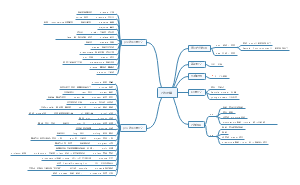
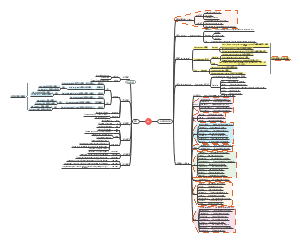
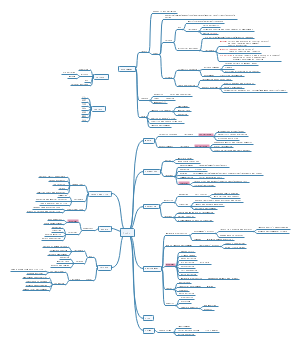
Masculinity in the Workplace: Iranian Women Engineers’ Navigations of Hyper masculine Work Cultures
digs deeper into this issue by exploring the experiences of women who transgress boundaries into masculine careers.
women mainly experience their workplaces as uncontested venues for men‘s performances of hegemonic masculinity.
"creative participation in the gender system" rather than efforts for dismantling gender hierarchies at a macro level.
workplaces as venues for the production and performance of hegemonic masculinity
Hegemonic masculinity refers to
seek to outperform others in masculine performances
invoke feelings of threats to not only men‘s exclusive access to these domains, but also the credibility and status that emerges from their everyday achievements of masculinity
doing types of work that are culturally perceived as exclusively manly
semi-structured in-depth interviews
tape-recorded, manually transcribed, and coded using thematic analysis as the main approach
Doing Gender
The concept of doing gender as a contrast to the idea that gender is a static, personal characteristic
Rather, gender is a characteristic with some flexibility, which is achieved through successfully performing the socially constructed behaviors assigned to one’s sex.
Gender is inherently interactional such that individuals enact gender with awareness that others will assess their performance.
Distinguish sex, sex category and sex criteria
the relationship between categorization and accountability can be studied through observing experiences in social interactions.
Still a “Stalled Revolution”? Work/Family Experiences, Hegemonic Masculinity, and Moving Toward Gender Equality
women made great gains in labor force opportunities, particularly in stereotypically “masculine” fields, yet men did not move comparably into “feminine” roles
hegemonic masculinity as the narrowly constrained expectations for men’s“appropriate” behavior.
why the gender revolution will remain incomplete and “stalled” without redefining hegemonic masculinity
Cross-national research demonstrates that changing views of masculinity are critical for greater gender equality at work and home.
The movement of women into traditionally “masculine” roles, without comparable movement of men into “feminine” roles refer to as the “asymmetry of gender-related change”
Until men are expected – and culturally and structurally encouraged – to pursue stereotypically female-dominated occupations and household responsibilities in a truly egalitarian arrangement, the gender revolution will remain incomplete and, therefore, stalled.

Thoughts on the Workplace as a Masculinity Contest
men qua men feeling threatened and insecure and thus compelled to prove their manliness in survival-of-the-fittest competitions
in the organizational norms and practices that foster masculinity contests
offer possible ways forward for organizational practice and policy aimed at eliminating masculinity contest cultures and their negative effects.
masculinity is problematic not only because organizations reward those who perform masculinity but, more, they reward those who outperform others in masculinity.
Masculinity Contest Culture (MCC) scale
(1) show no weakness, (2) strength and stamina, (3) put work first, and (4) “dog eat dog”mentality.
define the workplace in the first place
Occupations thought to be masculine require attributes that men ideally possess and that women purportedly lack
male-dominated occupations
consultants, firefighters, and business executives; policing
how the masculinity contest culture operates and speculate about what can be done to mitigate it.
“outside-in” approach in which shifts in the broader culture are leveraged to transform the discourse
“inside-out” strategy that starts with organizational leaders developing an aspirational vision for their company
Organizing Men: Power, Discourse, and the Social Construction of Masculinity(s) in the Workplace
draw the attention of the role of men in the workplace and the concomitant social construction of organizational masculinity(s)
position myself as a male social critic writing from a feminist perspective.
how does one critique patriarchy from a masculine subject position?
not accepting male power as a given, monolithic structure, but of examining the tensions and contradictions that are inherent in hegemonic masculinity.
serving both hegemonic and resistant functions
male feminists can both contribute to a critique of male power and explore possibilities for more democratic organizing processes. both men and women are “prisoners of gender.”
Organizational Hegemonic Masculinity and the Impact of Fatherhood on Earnings
the earnings bonus for fatherhood persists after controlling for an array of differences, including human capital, labor supply, family structure, and wives’ employment status.
the theory of hegemonic masculinity within bureaucratic organizations, the fatherhood bonus is significantly larger for men with other markers of workplace hegemonic masculinity.
whose jobs emphasize cognitive skills and deemphasize physical strength receive the largest fatherhood earnings bonuses.
MASCULINITIES IN “SAFE” AND “EMBATTLED” ORGANIZATIONS: Accounting for Pornographic and Feminist Magazines
the content of these masculine performances varies depending on the specific cultural norms and ideologies present in an organization
They bolster their business professional attitude by downplaying the sexualized nature of the workplace
men also utilize unique strategies of doing masculinity depending on the degree to which masculinity is “safe” or “embattled” at their workplace
different workplace contexts may encourage or discourage men’s differentiation from women and from feminism
we consider the possibility that even hegemonic masculinity can be referred to in the plural—as hegemonic masculini(ties).
we pay closer attention to how hegemonic masculinities are actively constructed in different contexts
achieve a more dynamic understanding of how systems of gender inequality are perpetuated and thus have a better understanding of how they may be challenged.