导图社区 General Introduction
General Introduction思维导图,内容有Differences between International Trade and Domestic Trade,欢迎查看更多。
社区模板帮助中心,点此进入>>
英文雅思大作文的命题类型和写作框架总结!
G类小作文书信写法
六级高频单词
英语学习:P的逻辑
英语学习p字母相关的单词
医学相关的英语词汇
系动词be的语法
48个国际音标标准学习
topic
雅思听力临考前策略
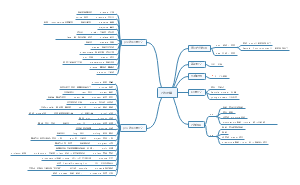
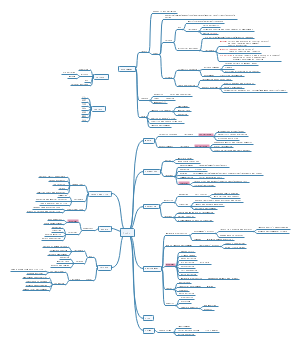
General Introduction
Reasons for international Trade
Definition---The exchange of goods or services between countries
Resources reasons
Economic reasons
Absolute advantage
Comparative advantage
Other reasons
Political reasons--Pakistan-China Economic corridor
Different tastes and preferences
Benefits of International Trade
1.Larger economic growth
2.Cheaper goods or services
3.Greater Variety of goods or services
Differences between International Trade and Domestic Trade
Compared with domestic trade,international trade involves
1.Different languages and Cultural s
2.Foreign laws ,customs and regulations or international rules
3.Foreign currencies
4.Higher risks
Political risks,Commercial risks,Financial risks,and Transportation risks.
5.More complex business procedures
6.Broader range of management skills
Classification of International Trade
1.From the direction of cargo flow
Export trade
Import trade
Transit trade
producing countries-via a third country-consuning country
2.Types of transit trade
Direct transit trade
Indirect transit trade
3.From the number of participants involved
Direct trade
Two parties involved:the impoter and the expoter
Indirect trade
Three parties involved: the expoter,the impoter and the intermediate party
Entrepot trade
One party involved:who is the importer,the processor and also the expoter
4.From the form of the goods
Visible trade/Tangible goods trade
Mostly consuming goods:cars,wines,shoes…
Invisible trade/Intangible goods trade
Services and technology
5.From settlement instrument involved
Barter trade
Exchange of goods or services without an intervening medium of exchange or money.Cash ordest form of trade.
Free - liquidation trade
Exchange of goods or services with an interving medium of exchange or money.Cash trade is one form of it
6.Form mode of transportation
Trade by Roadway/Seaway/Airway/Mail Order
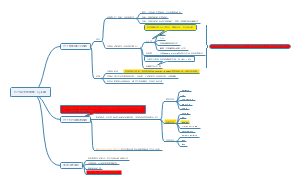
Export and Import Procedures
The Preparation of a Transaction
Selecting the right
Finding the potential partner
Studying creditability of the paetners
Applying for Export or Import License
The negotiation of the sales contract
Two forms of business negotiation
In word---face to face/by phone
In writing---business correspondence by letters,faxes,e-mail
Four main steps involved
Enquiry
asking for price by either seller or buyers
Offer
An answer to enquiry or initiated by either or buyer.Binding force upon the offeret within the validity
Counter-offer
addition,modification or refusal of the offer
Acceptance
The Performance of the Contract
Export procedure(business under CIF on L/C)
Examining L/C
Getting goods ready
Applying for mandatory inspection
Receiving importer's inspection before shipment
Booking shipping space after receiving L/C and getting
Clearing goods for export
Getting goods loaded
Obtaining insurance
Presenting documents for bank negotiation
Import procedure(business under FOB on L/C)
Opening L/C
Booking shipping space
Inspecting and supervising at the port of shipment
Examining documents and making payment
Clearing the goods for import
Taking delivery and inspecting
The settlement of disputes
Negotiation
Mediation
Arbitration
Litigation