导图社区 动词时态(3)
- 71
- 4
- 1
- 举报
动词时态(3)
动词时态,本图汇总了现在、过去、将来的时态知识,可以直接下载,有助于知识点记忆。
编辑于2023-04-11 11:48:51 江苏省
- 相似推荐
- 大纲


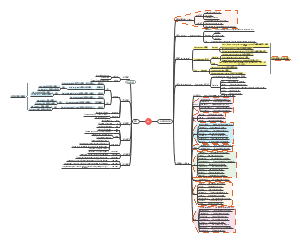

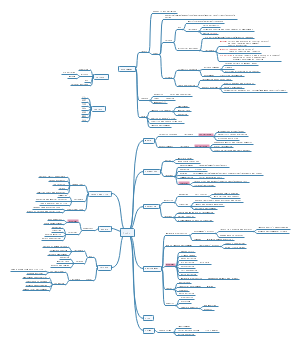

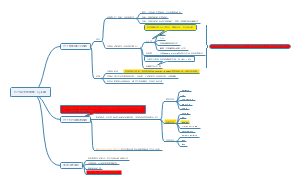
动词时态
现在
一般现在时do/does
第三人称单数动词变形:
非你,非我,非复数
1.原音加y结尾的动词直接加上,例:stay —stays buy—buys
2。以s x sh ch o结尾的动词 词尾加 es,例:pas上—passes ,watch—watches
3。 直接在词尾加s :ask —asks,work—works
4。辅音字母加y结尾变y为i 再加es例:try—tries ,styudy—studies
5。不规则变化:be —is have —has
句子结构
主系表
1。肯定句式:主语+be动词(am/is/are)+表语 例: The twin sisters are from America
2.否定 形式:主语+be动词(am /is/are)+not +表语 例:The twin sisters are not from America
疑问句式:be动词 (am/is/are)+主语+其他成分 例句:Are the twinsisters from america?
主谓
1.肯定句式 :主语+动词原形(-s/-es)第三人称单数+其他成分 例句:We/he/she/speak(s)chinese
2.否定句式:主语+助动词Do not/Does not+动词原形+其他成分 例句:They do not/He /she does not speak chinese
3.疑问句式:Do/Does+主语 +动词原形+其他成分 例句:Do/Does he/she speak Chinese
用法:1.表示习惯性或者反复出现的动作或状态,也可以表示一般事实和真理。常与:often、usually、sometimes、always、in the morning、everyday、once a week等词 连用 。 例句: 1.He is very happy。 2.He goes to shchool everyday。 3.The sun rises in the east and sets in the west every day
2.表示计划、规定要发生的动作(句中带有时间状语),但限于少数动词,如 begin、come、leave、go、arrive、start、stop、return、open、close、等。例句: 1.The next train leaves at 3 o'clock this afternoon. 2.The show begins at seven and ends at ten
3.在时间状语从句中 或条件状语从句中,用一般现在时,表示将来时,例句:1.When I graduate, I'll go to the countryside. 2.If you come this aftenoon ,we'll have a meeting
4.在no mater what/who/where,whatever,whoever,wherever,等引导的状语从句中,也用一般现在时表示将来时。例句:Whever I go ,I will never forget this happy moment .
5.表示状态和感觉的词如(be,like ,think, rember,find,sound,等常用一般现在时,不用现在进行时。)例子:1. The story sounds very interesting 。2.I like English very much
现在进行时am/is/are+现在分词(v-ing)
现在分词变化规则:
1.直接在词尾加ing 例子:listen—listening look——looking
2.以不发音字母e结尾的动词,先去掉e再加—ing,例:write——writing take——taking
3.重读闭音节词结尾,末尾只有一个辅音字母,先双写该辅音字母后加—ing。例子:sit——sitting put—putting
构成:am/is/are 现在分词(ving)
结构:
1.表示现在或当前这段时间正在发生的动作。例句:He is taking to some foreign guest。
2.表示按照计划将要发生的动作 The Smiths are coming to dinner this weekend
Tips : 与always,forever,all the time,still等连用,表示赞赏、埋怨或厌恶等感情色彩而非正在进行。e.g. He is always helping others.
子主题
现在进行时与一般现在时都可用作表示现阶段的动作,现在进行时侧重现阶段延续性动作,一般现在时主要是陈述事实e.g. They are studying English at a universitye.g. They study English at a university
现在完成时have/has+过去分词(done)
have用于,第一人称(我) ,第二人称(你) 单数复数都可以 只限于第三人称复数,has只能用于第三人称单数
过去分词单词变形:同动词过去式变形,需要记忆不规则变化表
用法
1.表示动作在说话之前已经发生,但对现在有影响。句中没有具体的时间状语。 e.g. My brother has just come back from Beijing
影响就是现在在家
2.表示动作开始于过去,持续到现在,也许还会继续下去。常与for或since短语,so far (到目前为止),now,today,this weekend等时间状语连用。 e.g. They have studied English for three years.
过去
一般过去时did
过去式变化规则
1. 直接在动词词尾+ed 例:look—looked、wrok—worked
2. 不发音字母e结尾直接在词尾+d 例:live—lived hope—hoped
3. ic结尾的动词在词尾后+k 再加ed 例:pinic—pinicked traffic—trafficked
4. 不规则变化:is/am—was are—were do—did
5. 动词是重读闭音节词结尾且末尾只有一个辅音字母,双写该辅音字母(r、y、x 除外)+ed 例:stop —stopped plan—planned
1.所有单元音都是重读,2,要有一个原音字母 3.末尾只有一个辅音字母
6. 过去式 不是三单,ed后面不用加s
句子结构
主系表:
1.肯定句式:主语+be 动词 was /were+表语 例子:I /he/she/was a student
2.否定句式:主语+be动词 was/were +not +表语 例子:I/he/she was not a student
3.疑问句式:be动词(was/were)+主语+表语 例子:Was he/she/were you a student
主谓:
1.肯定句式:主语+动词过去式+其他成分(宾语/状语)例子:she often came to help us in those days
2.否定形式:主语+did not +动词原形+其他成分(宾语/状语)例子: I did not you like coffee
3.疑问:did+主语+动词原形+其他成分 例子:Did I do homework ? Yes,you did,No you did not
用法
1.表示过去某个时刻发生的动作或状态;例句:1、He worked in a factory in 1986. 2. He saw Mr.wang yesterday 2.表示过去经常发生的动作,也可用used to/would+动词原形。例句:1.During the vacation I would swim in the sea 。 2. I used to take a walk in the morning.3.用于虚拟语气中,表示现在或将来的动作或状态。 例句:If were you,I would leave as soon as possible 。
子主题
过去进行时
结构was/were+现在分词(v-ing)
1.表示过去某一时刻、某一阶段正在进行的动作 e.g. He was reading a novel when lcame in.
2.表示按计划在过去某时刻将要发生的动作 e.g.We went to say goodbye to ourneighbors. We were moving up to thenorth the next day.
过去完成时 had +done (过去分词)
结构
1。表示过去某时或某动作之前已经发生的动作或存在的状态。 常与by, before, until,when等引导的状语从句连用。 e.g.When we got to the airport, the plane had taken off. e.g. I had learnt 5,000 words before l entered the university.
2。2表示动作在过去某时已发生,一直持续到过去某时,可能还 要持续下去。 e.g.Ileft the company in 1998. I had worked there for eight years.
3。当两个或两个以上的动作按发生的顺序在句中连续出现,可不用过去完成时,用一般过去时。 e.g. He got off the bus, walked to the house, opened the door and stepped in.
4。当两个先后发生的动作不按时间顺序排列时,先发生的动作用过去 完成时。 e.g. He found the umbrella that he had lost.
将来
一般将来时will/shall
句式结构:
1.will/shall +动词原形(do):此结构指按计划将要发生的动作,也可指说话人的预测或临时决定,也可指 事物固有的属性或必然的趋势。 例子:1.We will/shall go to the park next Sunday 。 2.It will be sunny tomorrow ,I suppose 。 3 。Fish will die without water。
will 用于所有人称,shall 用于 I,we 只能用于第一人称
2.此结构在疑问句中表示请求:shall I get you cup of coffee
3.be going to+动词原形(do):此结构主要用于口语,表示打算或准备要做的事,或现在已有迹象几乎肯定发生的事。 例子: 1.We are going to a meeting tomorrow afternoon. 2. Look at the dark clouds. I think it is going to rain.
4.be to +动词原形(do)此结构表示已经安排好将要发生的动作,或表示义务,命令,要求等。语气 比较庄重正式。 例子:1. The boy is to go to school tommorrow. 2. You are to finish your homework befor you watch tv
5.be about to+动词原形(do):此结构意为“正要”“马上就要”,表示在很短时间内即将发生,后面一般不跟时间状语。 例子: 1.We are about to leave。 2. Don't go out now. We are about to have lunch
be about to.......when..... 当。。。时正要做...... 例子:The talk was about to begin when the accient hapend.
tips
go,come, start,move,sail,leave,arrive, stay,等动词可用进行时表示计划即将发生的动作。例子:I'm leaving for beijing
go ,come ,start ,leave ,arrive,stay,get,等动词的一般现在时可以表示将来。 例子:He gets off at the next stop 2.The meeting starts at five o'clock.
将来进行时 shall/will be+现在分词(v_ing)
理解成情态动词
表示将来某一时刻、某一阶段正在进行的动作e.g. This time tomorrow we will be flying to Europe
将来完成时 will/shall+have+过去分词(done)
理解为情态动词,have 无其他变形
would to do sth ,过去常常做某事 ,现在可能做也可能不做
do
did
does
do
not+动词原形