导图社区 情态动词思维导图
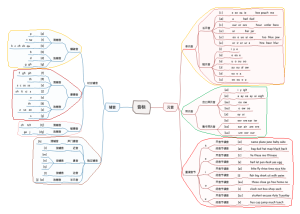
情态动词思维导图,分享了Must、Ought to,need,dare,used、情态动词推测性用法的知识用法,一起来学习吧。
编辑于2023-05-03 15:44:39 贵州情态动词
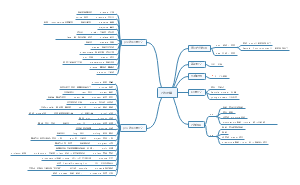
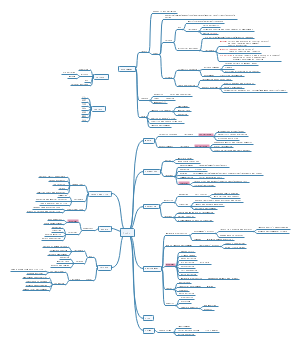
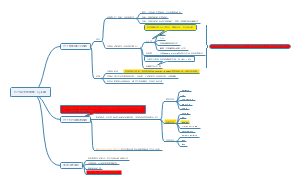
Must
1、表必要“必须”(肯定)
I must study hard. 我必须努力学习。
否定 表必须不“禁止”
You must not tell a lie. 你不能说谎。
must可用should/ought to代替 must not可用may not,can't/be not allowed to代替
可用于疑问句,询问是否“必须”“必要”否定式在附加疑问句中不表禁止 肯定式must表必须 否定式needn't, haven't (got) to或don't have to表不必
Must I clean all the rooms? 我必须打扫所有的房间吗?
2、表建议/劝告
We must think about it very seriously. 我们必须认真考虑这个问题。
3、表必然“不可避免”(用于陈述句)
All men must die. 人总有一死。
4、表坚持“一定要”“偏要”
Must you make so much noise? 你就非得弄出这么大声吗?
5、表推测“必然/一定会发生的情况”
You must be tired after your long walk.你走了那么远的路,一定累了。
Have to也可表推测与must同义
You have (got) to be joking. (You must be joking.) 你一定是在开玩笑。
6、Must与 have (got) to 区别
Must 表说话人坚持或主观认为“必须”have (got) to 表他人坚持或因客观需要而“必须”“只好”“不得不”
You must go and see the boss.说话人意见 You have to go and see the boss. 他人意见
mustn't否定式后随不定式,表"必须不",禁止做 haven't (got) to/don't have to否定半助动词本身,表“不必”,没有必要做
You mustn't tell George. (You are not to tell George.) You don't have to tell George.(You needn't tell George.)
常用have to的适当形式代替must没有的形式
Ought to,need,dare,used
1、Ought to 表应该 (must>ought to>should)
You ought to have a rest. 你应该休息一下。
Had better可代替should或ought to,但语气更强 表“必须”
It's cold. The children had better/ should/ ought to where their coats. 天冷了,孩子们最好穿上外套。
ought to与完成体或完成进行体不定式连用,表对过去事情看法。肯定式表过去应该做而没有做,否定式表过去不该做而做了某事,常常含有批评或责备的意味。
You ought to have told me that yesterday. 你本应该昨天告诉我那件事。
ought to与should都可以表示推测“大概”“应该”
Rose ought to have arrived at her office by now. 罗斯现在应该已经到她的办公室了。
2、Need 疑问句询问表“必要”否定陈述句“不必”
I needn't tell you the answer, need l? 我不必告诉你答案,是吗?
可用于含有疑问,否定意义或表示“唯一”“仅仅”的肯定陈述句表“必要”,“必须”
Do you think I need go to the meeting?你认为我需要去开会吗?
用于否定句表可能性“未必”“不一定”
A bit from the rattlesnake need not necessarily be fatal. 响尾蛇咬伤不一定是致命的。
Needn't反面must, have (got) to,在肯定句中不用need而用must/have (got) to
3、Dare 表“敢”(疑问句和否定陈述句)
Dare you ask him? 你敢问他吗?
可用于含有疑问,否定意义或表示“仅仅”之类的肯定陈述句。
否定句中可以用不带to的不定式做宾语,但在肯定陈述句中必须用带to的不定式做宾语。
Do you dare (to )touch it?=Dare you touch it?
4、Used 表过去经常发生的动作/状态(与现在相对照)
Frank doesn't work here now, but he used to. 弗兰克现在不在这里工作,但他过去在这里工作。
可以进行体不定式连用,表强调或说话人的感情。
They always used to be playing golf with frank.他们过去总是和弗兰克一起打高尔夫球。
表过去惯常的情况,不能和表示确定过去时间或延续时间的状语连用。但可以和表示不确定过去时间的状语连用。
I used to go there on sundays.我过去常在星期天去那里。

情态动词推测性用法
1、表推测—可能性
must>will>would>ought>should>can>cought>may>might(“一定”“必定”“很可能”“大概”“应该”“可能”“也许”)
2、表对现在/将来的推测(一般体或进行体不定式连用)
She may go there tomorrow. 她明天可能去那里。
They should be coming soon. 他们应该很快就来了。
和完成体或完成进行体不定式连用表对过去的推测。
Can/Could they have missed the bus? 他们可能错过了公共汽车吗?
3、疑问句、肯定句、否定陈述句
表推测的情态动词中may,might可能性最小,肯定是和否定是可以出现在同一个句子。
It may be or may not be true. 这可能是真的,也可能不是。
表示推测must语气十分肯定,常用于肯定陈述句,在疑问句和否定陈述句中用can代替。
Tom must be working hard.=Can be working hard?=Tom cannot be working hard.
can用于肯定陈述句表理论可能性,不属于推测性用法,could可用于疑问句,肯定陈述句和否定陈述句表推测,但表示的可能性较小,语气不肯定,can用于否定陈述句表示不可能,语气十分肯定。
情态动词needn't表推测含有未必意思。
4、否定式不否定动词本身,can/could除外,其否定式通常否定情态动词本身而不否定后随的不定式
Pearl may not be serious.(It is possible that Pearl is not serious.) Pearl cannot be serious.(It is not possible that Pearl is serious.)
5、表示推测的情态动词很少用于疑问句,can/could除外。回答can/count提出的问题时,不同情态动词表不同程度可能性