导图社区 动词
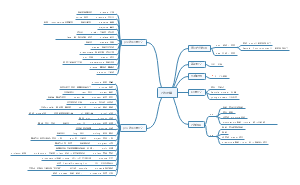
动词分为实义动词、系动词、助动词、情态动词,还介绍了动词的形式、时态、语态等知识,一起来看。
编辑于2023-06-07 13:42:42 河南动词
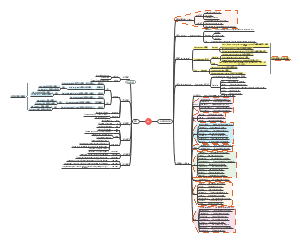
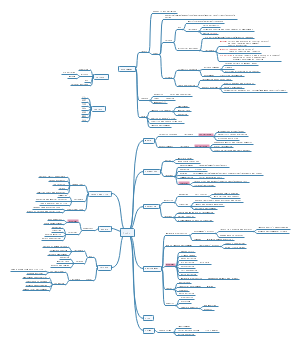
分类
实义动词
及物动词
不及物动词
用介词
有实际含义
系动词
be
am,is,are,were,was
感觉
sound,look,smell,taste,feel
保持
keep,stand,stay,remain
表象
seem,appear(似乎,好像)
结果
approve
变化
go(变坏),get(天气),grow(成长),turn(颜色),become(职业),fall
助动词
作用
引导疑问句,构成否定句,时态,语态
种类
do
do,does,did
be
am,is,are,was,were,being
have
have,had,has
情态动词
作用
意义不完整,后跟动词原形帮助动词构成完整谓语,有感情色彩
种类
must必须
肯定回答:Yes,you must.
否定回答:No,you needn’t./don’t have to .不必
can,could能,可以,可能
will,would将会
may,might也许,可以,可能
肯定回答:Yes,you can./of, course
否定回答:No,you can’t./mustn’t
shall,should应该
need需要
肯定回答
否定回答
短语
need sth 需要某物
need to do sth 需要做某事
人做主语
need to be done 需要被…
need doing sth 需要做某事
(主动表被动)
物做主语
dare敢
短语
dare (to) do sth 敢做某事
ought (not) to (不)应该做…
had better (not)最好(不)做…
used (not) to过去常常(不)做…
表推测
没有实际含义
形式
原形
三单
一般情况直接+s
以s,sh,ch,o,x后面+es
以辅音字母+y结尾的,变y为i+es
have-has
过去时
一般情况下+ed
以e结尾的直接+d
以辅音字母+y结尾的,变y为i+ed
以辅元辅〖重读〗结尾的,双写最后一个辅音字母+ed
ed发音规则:
d,t结尾时发/id/,e发音
以元音音素和浊辅音结尾,发/d/
以清辅音结尾,发/t/
过去分词
与过去式规则相同
现在分词
一般情况下直接+ing
以不发音的e结尾的,去e+ing
e不发音不能去掉(be,see),直接+ing
以辅元辅〖重读〗结尾的,双写最后一个辅音字母+ing
以ie结尾的,ie变y+ing(die-dy)
时态
一般现在时
用法
真理客观时
经常性,习惯性的动作
某人的身份,性格,特征
主将从现(条件,时间)
结构
be型
do型
一样
肯定:am,is,are/do,does
否定:+not
疑问:提到句首
时间标志词
every
every day/night/week/month/year……
频率副词
always>usually>often>sometimes>seldom>never
频率词组
once a week/month,twice,three/four/five/… times(次)
一般过去时
用法
说话者说话之前的动作或状态
发生在过去经常性或者习惯性的动作或状态
结构
Be型
Do型
句型
肯定句
is,am (was) are(were)
do(did)
否定句
be后加not
did+not
疑问句
be动词提到句首
did提到句首
时间标志词
yesterday,yesterday morning …
last,last week,month,year
ago,long long ago,3 year ago
in+过去的时间 2002
just now刚刚
on this morning
一般将来时
用法
动作发生在将来,在未来的时间里发生的动作或状态
结构
will/shall+动词原形
临时决定要做的事情
请求,建议
个人意愿想要做的事情
be going to +动词原形
考虑好计划好要做的事情
有客观迹象表明,有迹可循
句型
肯
否
will/shall+not
be+not going to
疑
will/shall/be提到句首
特殊点
shall只有第一人称能做主语,shall we/l…表示请求,建议
will谁都可以做主语
时间标志词
tomorrow,the day after tomorrow
next,next week,year,month
in+时间段,in two days(两天后)
in the future(在将来) someday(有朝一日)〖将来〗one day(将来有一天)〖将来、过去〗
现在进行时
用法
说话者说话时正在发生的事情,此时此刻正在发生的事情
在现阶段中一直进行的事情 eg:She’s playing with her dog these days.
表示说话者的情绪情感
现在进行表将来时(瞬间性动词,转移位置类动词)
句型
肯
be doing
否
be not doing
疑
be提到句首
时间标志词
now,look,listen,at the moment ,at present
these days,this year,month
过去进行时
用法
过去某一时刻正在进行的动作,发生的事情
过去某一阶段持续进行的动作或事情
故事发生的背景
结构
was/were+doing
句型
肯
否
be+not
疑
be提前
标志词
at+具体时刻+过去时间 eg:at 8 o’clock last night
at+this time (moment)+过去时间
when, while,as “当…”
共同点
⒈接从句⒉"当⋯的时候
eg: As(When) my mother came back,I was doing my homework
区别点
⒈动词类型
when +延续性、瞬间性动词 while+延续性动词as+延续性动词
2.主从句动作顺序
when:主从句可以同时进行,也可以先后发生 while:强调同时进行 as:强调同时进行(随着,一边…一边)
3.时态问题
when接一般过去时 while接过去进行时
eg:❶ l was walking through the trees when I found a cave .
While I was thinking, I heard a noise in the cave
过去将来时
用法
站在过去看未来 ,在过去的时间里说将要发生的事情
主语(一般过去时)+宾语从句(过去将来时)
Tom said he would around my birthday party
结构
would+do
was/were going to +do
句型
肯
否
疑
特殊情况
过去进行可以表示过去将来 (同 现在进行表将来 )
eg: She said she was coming to see me
一般过去时表示过去将来(同主将从现,在条件状语和时间状语的情况下) 〖时间轴往前推〗
eg:❶ The teacher said it would be difficult to make progress(取得进步) if I didn’t work hard. 主句+宾语从句(嵌套if条件状从)
❷ she said she wouldn’t not go with us if it’s rained.
无时间标志词
现在完成时
用法
过去已经完成的事情对现在产生的影响,与现在有关系
过去发生的事情一直持续到现在
强调某人的经历,已经完成某件事或从未做过的某件事以及完成某件事的次数
结构
have/has+done
句型
肯否疑,借助助动词变化
标志词
yet
已经
否定,疑问(句子末尾)
already
已经
肯定(在中间时,have/has后面.也可以在末尾
ever
曾经
never
从不
just
刚刚
句中
before
以前,之前
so far
迄今为止,到目前为止
how long
多久
how many times
多少次
in the past few(two…)years(months…)
在过去的几年里
词组区分
have gone to
去了某地(没回来)
have been to
去过某地(回来了)
have been in
呆在某地(与时间段连用)
for/since
for+时间段(eg: we have been here for 50 years)
since+时间点(eg:we have been here since 1973 )
since+时间段+ago(eg: we have been here since 15 years ago)
since+从句(eg: we have been here since we got married)
since
注意事项
在有时间段的时间状语中,不能用瞬间性动词的肯定,如果要用需要把瞬间变延续。
瞬间性动词的否定形式是可以放在时间段的时间状语中的
eg: I haven’t received收到 his letter for almost几乎 a month.
过去完成时
用法
过去摸鱼时间之前发生的动作,对过去的这个时间产生的影响(影响性)
过去某一时间之前某个动作已经开始,一直持续到过去的这一时间(持续性)
结构
had+done
句型
肯否疑,借助助动词had变化
标志词
before
eg:He had washed clothes before he went to bed.
after
eg: after I had fished my homework,I went to bed.
when
eg: when I woke up,it had already stopped raining.
until直到
not…until…直到…才…
eg: she didn’t go to bed until she had finished her work.
by(截止到)+过去时间
eg: They had planted 600 trees by last Sunday
before+过去时间
I had finished my homework before last night.
by the end of+过去时间(截止到过去时间末)
By the end of last year,he had worked in the factory for 20 years.
如果表示两件事,先发生的用过去完成时,后发生的用一般过去时。
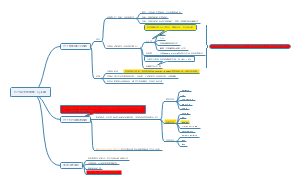
语态
主动语态
被动语态
用法
❶强调动作的执行者 eg:My bike was stolen by him.
❷不知道或者没必要指出动作执行者 eg: my bag was stolen last night.
与时俱进
be done
一般现在时
am,is,are+done
一般过去时
was,were+done
一般将来时
am,is,are going to+be done
will+be done
现在进行时
am,is,are+being done
过去进行时
was,were+ being done
过去将来时
was,were going to+be done
would+be done
现在完成时
have,has+been done
过去完成时
had+been done
情态动词
情态动词 +been done
特殊情况
使役动词
"让,使":let/make/have
句型:let/make/have sb do sth(把to省略)
被动语态
被动语态要把to还原. 句型:sb be done(let,made,had)to do sth.
eg: l made you cry. You were made to cry by me .
感官类动词
hear,see,watch,notice注意
句型:(hear,see,watch,notice)sb. do sth.
跟使役动词用法一样
看见某人做了某事(做过)
(hear,see,watch,notice)sb. doing sth.
看见某人正在做(进行中)
双宾结构
He gave me a book
I was given a book by him
A book was given to me by him.
eg
to强调"给的方向",teach,tell,give,send,show,bring
for强调"为了"有目的性,buy,save,make,cook,prepare (A cake was bought for you by your mother)
注意事项
⒈不及物动词没有被动语态
⒉祈使句没有被动语态
⒊反身代词没有被动语态
⒋系动词没有被动语态(主动表被动) eg: The fish tastes good.(主系表)
⒌静态的及物动词没有被动语态 eg: have拥有, fit适合, suit适合, hold容纳, last持续, belong to属于
⒍need require"需要"(主动表被动) eg: The room needs to be cleaned./The room needs cleaning.
⒎表示事物本身属性 eg:Meat cuts easily. This is kind of hot dog sells well.
be(通过) oneself 靠某人自己
过去的过去
need,dare 此时为实义动词
grow up成长 became是become的过去式