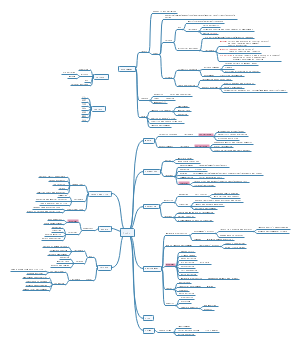
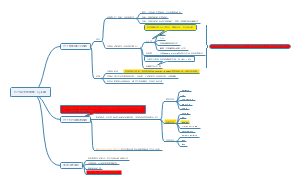
胡壮麟语言学教程chapter1 需要可以看看喔~
Design features refer to the defining properties of human languages that distinguish it from any animal system of communication.
Language is a system of arbitrary vocal symbols used for human communication. This definition has revealed five essential factors of language:systematic,arbitrary,vocal,symbolic and most importantly human-specific.
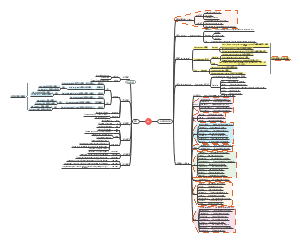
Design features of language
Design features refer to the defining properties of human languages that distinguish it from any animal system of communication.
Arbitrariness
Duality
Creativity
Displacement
Origin of language
The Biblical account
Language was God’s gift to human beings.
The bow-wow theory
Language was an imitation of natural sounds, such as the cries of animals, like quack, cuckoo.
The Pooh-Pooh theory
Language arose from instinctive emotional cries, expression of pain or joy.
The yo-he-ho theory
Language arose from the noises made by a group of people engaged in joint labor or effort-lifting a huge hunted game, moving a rock, etc.
The evolution theory
Language originated in the process of labour and answered the call of social need.
Futures of language
Information function
Language is used to tell something, to give information, or to reason things out. The informative function is regarded as the most important function. Declarative sentences serve this function.
Interpersonal function
The interpersonal function is considered as the most important sociological use of language, by which people establish and maintain their status in a society.
Performative function
The performative function of language is primarily used to change the social status of persons, such as in marriage ceremonies, the sentencing of criminals, the blessing of children, etc. This kind of language employed in performative verbal acts is quite formal and even ritualized.
Emotive function
The emotive function of language is one of the most powerful uses of language because it is so crucial in the emotional status of an audience for or against someone or something.
Photic function
This function refers to expressions that help define and maintain interpersonal relations, such as slangs, jokes, jargons, ritualistic exchanges, switches to social and regional dialects.
Recreational function
The recreational function refers to the use of language for the sheer joy of it, such as a baby’s babbling or a chanter’s chanting.
Metalingual function
The metalingual function refers to the fact that our language can be used to talk about itself.
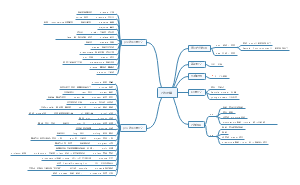
Important distinctions in linguistics
Descriptive vs. Prescriptive
Synchronic vs. Diachronic
Langue & Parole
Competence & Performance
Macrolinguistics
Psycholinguistics
Sociolinguistics
Anthropological linguistics
Computational linguistics
Main branches of linguistics
Microlinguistics
Phonetics 语音学
Phonology 音位(系)学
Morphology 形态学
Syntax 句法学
Semantics 语义学
Pragmatics 语用学
Definition of linguistics
Linguistics is usually defined as the science of language or, the scientific study of language. It not only focus on a particular language, but is based on the systematic investigation of linguistics data, conducted with reference to some general theory of language structure. The four principles which make linguistics a science are exhautiveness, consistency, economy and objectivity.