导图社区 决战B端-产品经理升级之路
决战B端-产品经理升级之路
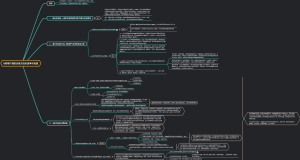
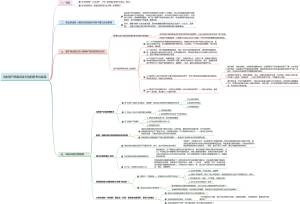
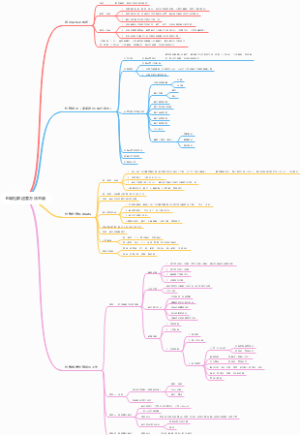
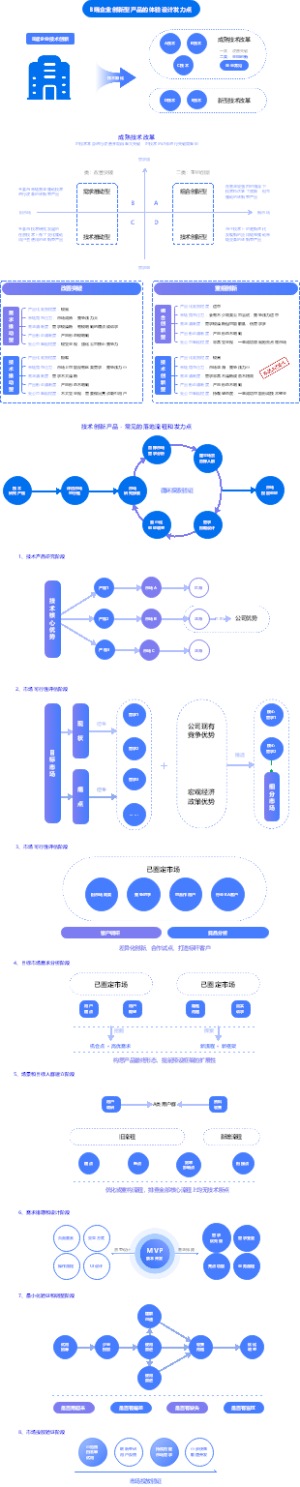
笔者根据《决胜B端》这本书梳理了一套知识体系或者学习笔记,它介绍了B端产品设计的一套完整流程,给了处在产研开发流程极不规范的业务中的我极多的信息补充。一些方法和流程是在实际工作开展中能实际上手应用的。对于尚不能熟练应用的你我他,应该要常读多读反复读这本书,多应用,勤复盘。希望能对你有所帮助!
编辑于2022-03-08 13:11:19- B端


- 汽车毫米波雷达市场调研
车载毫米波雷达是一种用于车辆安全和驾驶辅助系统中的重要传感器。毫米波雷达可以通过发射和接收毫米波信号来感知车辆周围的环境和障碍物,从而帮助驾驶员避免碰撞和实现自动驾驶功能。随着车辆智能化和自动化的快速发展,车载毫米波雷达市场也呈现出快速增长的趋势。本思维导图调研了车载毫米波雷达产品的市场情况,供各位参考学习!
- BUG定级
软件缺陷常常又被称为Bug。所谓软件缺陷就是指计算机软件或者程序中存在的某种破坏正常运行能力的问题、错误或者隐藏的功能缺陷。Bug 的存在会导致软件产品在某种程度上不能满足用户的需要。你知道怎么对软件测试里的BUG进行等级划分吗?
- 用户增长运营策略思维导图
用户增长,看似简单的四个字,对于不少从事运营的人来说,就是一件头大的事情。因为可能从字面理解上看的话,拆解出来就是要增长用户,更多的人来用我们的产品,更多的人来购买我们的产品。但是一旦要落地实操,一脸懵逼或者无从下手。 无论是产品的初期,中期以及后期,我们都会遇到用户增长的问题。
决战B端-产品经理升级之路
社区模板帮助中心,点此进入>>
- 汽车毫米波雷达市场调研
车载毫米波雷达是一种用于车辆安全和驾驶辅助系统中的重要传感器。毫米波雷达可以通过发射和接收毫米波信号来感知车辆周围的环境和障碍物,从而帮助驾驶员避免碰撞和实现自动驾驶功能。随着车辆智能化和自动化的快速发展,车载毫米波雷达市场也呈现出快速增长的趋势。本思维导图调研了车载毫米波雷达产品的市场情况,供各位参考学习!
- BUG定级
软件缺陷常常又被称为Bug。所谓软件缺陷就是指计算机软件或者程序中存在的某种破坏正常运行能力的问题、错误或者隐藏的功能缺陷。Bug 的存在会导致软件产品在某种程度上不能满足用户的需要。你知道怎么对软件测试里的BUG进行等级划分吗?
- 用户增长运营策略思维导图
用户增长,看似简单的四个字,对于不少从事运营的人来说,就是一件头大的事情。因为可能从字面理解上看的话,拆解出来就是要增长用户,更多的人来用我们的产品,更多的人来购买我们的产品。但是一旦要落地实操,一脸懵逼或者无从下手。 无论是产品的初期,中期以及后期,我们都会遇到用户增长的问题。
- 相似推荐
- 大纲