导图社区 以脑科学为基础的语言教学
这是一篇关于以脑科学为基础的语言教学的思维导图。
社区模板帮助中心,点此进入>>
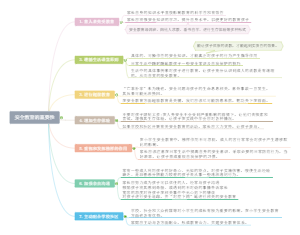
安全教育的重要性
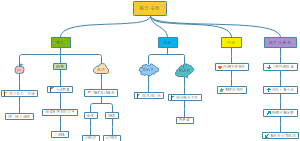
个人日常活动安排思维导图
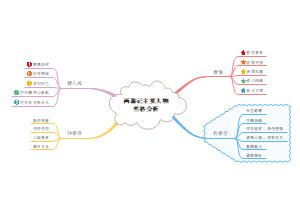
西游记主要人物性格分析
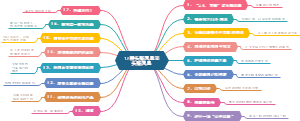
17种头脑风暴法
英文雅思大作文的命题类型和写作框架总结!
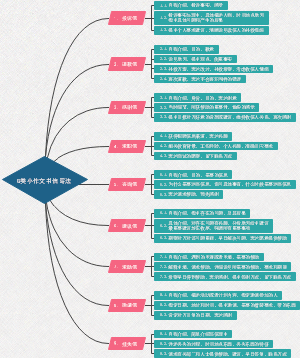
G类小作文书信写法
六级高频单词
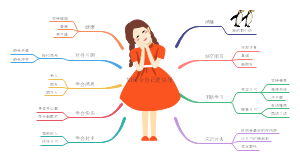
如何令自己更快乐
头脑风暴法四个原则
思维导图
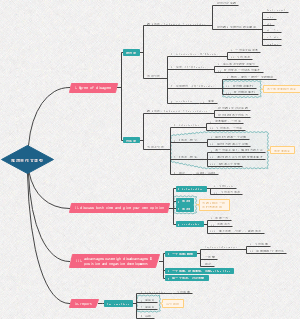
3.1 以脑科学为基础的语言教学 Brain science based teachingAmy Roe
Background Intro
How I Learned Spanish
Stories
video program
audible books
Spanish music
Movies
Teach Spanish after graduation
How I didn't learn French
Studying
Flashcards
labels at home
Why no progress?
1 The words were NEVER in a meaningful context.
2 I was studying vocab based on semantic clusters.
Semantic Clusters按主题分类的单词簇(大多数教科书设计)
单词越是按主题分类呈现,越是难记,越是耗时,甚至比记毫无关联的单词还难
Related Vocabulary
e.g.
tiger
orange
rainforest
striped
growl
相互联系的一组词,构建meaningful context
与semantic clusters对比
e.g. tiger, lion, cheetah
semantic clusters 虽然属于Big Cat大类,但在这里没有形成meaningful context
How to teach?
Don't need to follow the semantic clusters all the time
Change the vocab into related units(把可以编故事的单词抽出来,放在一个单元讲)
e.g. I'm going on a trip, and I need ...
每人记住前人的东西,然后增加一样要带的东西
单次授课,少即是多3-5新词即可
Write Target Words
可以写翻译
Establishing meaning方便学生理解含义,避免焦虑沮丧
Give student enough time: pause,point,read and comprehend/process
TCI课堂指导
1 Speak slowly
老师会讲90%的核心词汇,有大量输入
放慢语速有助于学生理解这些大量输入comprehensible input
2 Intro lesson than 5 new words/key structures
3 Words and translations
4 Pause and point
TCI单词教学指导
TPRJames Asher
Listening comes BEFORE speaking
Brain is programmed to learn language
Both hemispheres of the brain
Left hemisphere: physical movement
Right hemisphere: language
Stress inhibit language learning
e.g. action verbs
1 establish meaning (write words and translation in different colors)
2 teach the words
model
老师说,老师做
老师说,老师做,让学生做
delay
老师说,老师不做,学生做,然后老师做
给学生think about the meaning的时间
remove
老师说,学生做,老师不做
3 assess comprehension
eye closed
集体闭眼,老师说,学生闭眼做
4 put the verb in a sentence
Add more details
Tom, run to the table
Be safe!!!
5 chain of verbs
游戏:three ring circus
三个学生听老师指令,做不同的动作
问其他学生
Who's ...ing?
Is ...ing?
Limits
有些单词非常不适用
VERB forms不好限定
学生自主性受限,趣味性有限
TPRSBlaine Ray
含义
Total Physical Response Storytelling
如今:Teaching Proficiency Through Reading and Storytelling
TPRS lesson
3-5 new words per lesson
Teacher creates a storyline
character
problem
Places
1 Problem isn't solved
2 Problem isn't solved
3 Problem is solved
Repeat target words
During
T asks questions
S provide info for the story
S answer the questions
Q&A create the story together
Student actors acting all the time