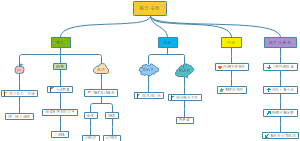
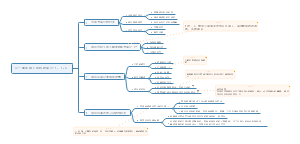
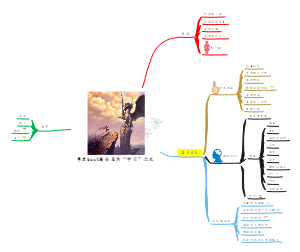
reconstruction: rapid & extensive action; reponse to long-term decline in performance
evolution: new paradigm
revolution: rapid & wide ranging response to extreme pressure for change
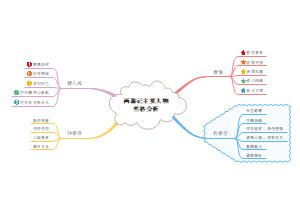
factors considered---Balogun& Hope
time avilable to make change
scope
preservation of certain characteristics 保留
diversity of opinions and experience may make change easier
the org's capability to execue change may vary, especially whether management have experience in this area
whether the org. has capacity to execute change--resouces e.g. people, finance, information
whether have power to drive through the type of change envisaged设想的
workfroce readiness准备度is the extent to which staff are likely to accept or resistent change
factors considered---POPIT model
people
skills and motivation
organiasation
management support, business structure, roles and responsibility
process
manual and automated process and workarounds
IT
information requirements and systems
factors considered---Lewin's force field analysis (Lewin's three-step model)
unfreeze (preparing for change)
define current state of org.( why change in needed) e.g. initial for long-term success
make people ready for change & consider the information needs for change
board level people: CEO lead the change---act as a team, reomve&consult individuals below the board level: create motivation for change, consider org.怎么变,reduce staffs' uncertainty( training programs)
effect the changes (implementing)
a structured process for change 有计划的变革流程
participation by staffs
freeze
change一开始,ensure staffs are behaving in new ways---keep an eye on feedback
process redesign
process redesign methodology
analysis of existing process( problem identified)
redesign new process
development
Harmon's process/ strategy matrix
BPR and improvement( Re-engineering )
simplication
eliminate duplication/not necessary/bottleneck process
value-added analysis
customer is willing to pay for the ouput e.g. preparation&set-up activities, control & inspection activities
gaps and disconnects
occurs at design of the process & actual workflow & monitor and control of proccess outcome
off-the-shelf产品 vs bespoke定制
ads of off-the-shelf
cost saving---economics of scale
time saving
matainance and support
quality is guaranteed
standard operaation process training
comprehensive evaluation(Trial)
disads of off-the-shelf
questionable competitive advantage
confidentiality: data security---back door problem
unwanted features
project management
PID(project initiation document)-initiating启动计划
project objectives 完成从哪到哪的目标,从而
anticipated benefits 预期好处
考试时financial和non-financial都写上
financial
项目开始前就确定的
quantifiable
项目开始前有足够证据认为---带来的好处,这个好处的金额(具体)不能完全准确预估
measurable
项目完成之后才可以评估
observable
有某个群体决定是否实现 e.g. customer satisfation, staff motivation improved
scope 项目范围
deliverable/outcomes
constriants
time
cost( funding)
resources
key stakeholders
project team roles
project sponsor发起人
准备资源
as project owner
not involved in management
not have the capacity to provide effective supervision for project manager
review project plans and progress at regular intervals
arbitrate仲裁 on any conflicts
project manager
risk assessment
cost overrun, delay...
cost estimates
purchase cost
internal system developemnt sosts
infrastructure costs
costs of carrying out the changes
ongoing cots
performance measures
project execution and control
controlling project
project slippage滑动/偏移
project change procedure
responding project risk
project completion
completion repot 验收报告(双方签字)
post-project review 项目管理本身漏洞(项目完成立刻发放review)
post-implementation review 项目结束后一段时间进行review---benefits planned vs actual benefits
或者说prepare a business case for a project,包括objectives,benefits, risks/costs(其中好处和风险要平衡)