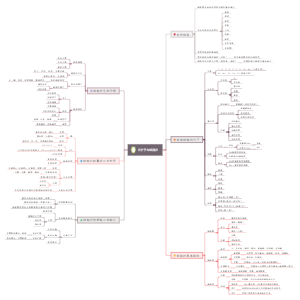
导图社区 英语动词的九种时态
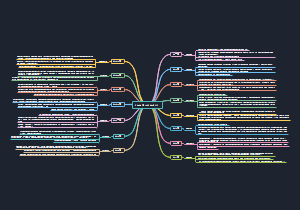
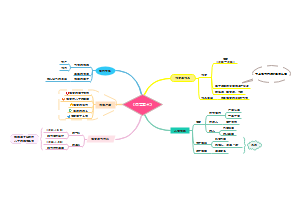
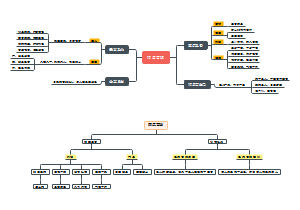
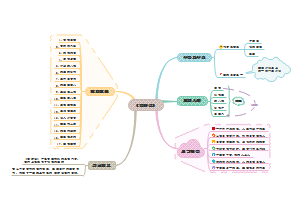
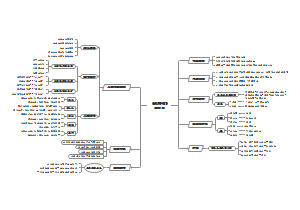
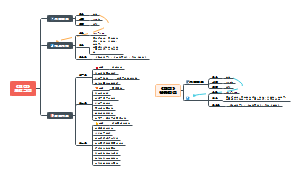
分不清英语过去完成时和过去完成进行时?下面的这一份英语动词九种时态的用法及归类的思维导图带你快速掌握相关知识点,下图对一般现在时、一般过去时、现在进行时等时态都做了详细的整理。九种英语时态都浓缩在一张思维导图之中!
编辑于2019-05-29 13:27:58动词的时和体
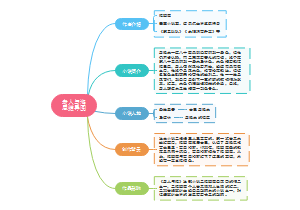
一般现在时
V原
1,表示不受时限的客观存在(包括真理、格言、科学事实)
例: The earth rotates on its axis.
2.表示现在习惯动作(常与之连用的频度副词有: aways,ever,frequently,hardly,ever,never,occasionally,often,rarely,seldom,sometimes,usually等)
例: He aways sleeps with his windows open.
3.表示现时状态和现在瞬间动作(通常带有一定持续性,因此只适用于静态动词)
例:what's the matter with you?You look pale.
4.表示将来时间(常用于 I hope/ I bet, see to it/ make sure / make certain+that 两种句型中 )
例:I hope you have a good time.
5.表示过去时间(常用的词有:tell,say,hear,gather)
例:Alice tells me you're entering college next year.
一般过去时
V-ed
1.表示过去时间
例:We visited a factory last Friday.
2.表示过去习惯动作和一度存在的状态
例:He worked in a bank all his life.
3,表示现在时间和将来时间
a.表示婉转口气
例:I wondered if you could give me some help.
b.表示与现在事实相反的主观设想 (It's tim…/I wish…/I'd rather)
It's time you had a holiday.
I wish you lived closer to us.
If only he didn't drive so fast!
c.表示对将来事态的主观设想
Suppose we spent next week in Brighton?
现在进行体(时)
be doing
1.表示说话时正在进行的动作
例: We are waiting for you.
2.表示现阶段一直在进行的动作
例:Jesse is studying law while her sister is doing physics.
3.表示按计划安排近期内即将发生的动作
例:He is leaving China in a few weeks.
4.其他用法
a.表示刚刚过去的动作
例:I don't know what you are talking about.
b.表示婉转口气
例:I'm hoping you'll give us some advice.
过去进行体(时)
was/ were +doing
1.表示过去某时正在进行的动作
例:what were you doing yesterday?
2.表示过去某种习惯性动作
例: He was getting up at five every day that week.
3.表示过去将来时间里的动作
例:they were leaving a few days later.
4.表示现在时间和将来时间里的动作
a.表示婉转口气
例:I was hoping you could pass me the book.
b.表示主观臆想的情况
例:I wish they were not talking so loudly.
5.过去进行体与一般进行体的比较
a.表示已完成的动作用一般过去时,表示未完成的动作用过去进行体。
b.一般过去时说明过去某时发生某事,过去进行体则侧重在动作的持续时间。
c.表示时间较短的动作用一般过去时,表示较长的动作用过去进行体。
d.口语中所谈的内容是随便的,非故意的,或无一定目的性,常用过去进行体。
e.注意一般过去时和过去进行体表示动作的时间顺序。
现在完成体(时)
have/has+ V-ed
1."已完成"用法
指动作或过程发生在过去,现在已完成并与现在有联系
例:He's turned off the ligh.
2."未完成 "用法
指动作或状态从过去某时开始持续到现在并能持续下去
例: He's lived here since1960.
现在完成进行体(时)
have/has been +doing
1.表示动作将持续下去
例:I've been waiting letters for an hour.
2.表示动作在说话时刻前刚结束
例:I've been waiting in the garden.
过去完成体
had+V-ed
1."已完成"用法
表示一个动作或状态在过去某时之前已经完成或结束
例:I had written the article when they came.
2."未完成"用法
表示一个动作再过去已经开始,持续到这一过去时间还未结束,扔有继续的可能
例:She said that she had made much progress since she came here.
过去完成进行体
had been+doing
1.用法与现在完成进行体相反,但时间推移到了过去
例:I'd been working for some time when he called.
2.有些过去完成进行体和过去完成体可以互用(口语中倾向于过去完成进行体)
3.过去完成体的想象性用法
a.用于由 if,if only,as if引导的分句中
例:I felt as if I had known her all my life.
b.用于由 I whish,I'd rather 等结构后的that 分句中
例:I wish I had said that I couldn't come.
c.用于expect,think,intend,mean,want,Suppose等动词表示过去未曾实现的希望、打算或意图
例:I had intended to make a cake,but I ran out of time.
现在将来时
标注
1.will/shall+不定式
例:You will feel better after taking this medicine.
2.will/shall+不定式进行体/完成体(表自然要发生)
例:The train will be arriving at two o'clock.
3.be going to(表意图或打算)
例:How long is he going to stay here?
4.be+doing(表示按计划、安排即将发生的动作)
例:We are leaving on Friday.
5.be to do
a.表示按计划、安排即将发生的动作
例:Where are we to stay tonight?
b.表示命令、禁止或可能性
例You are to stand here.
6.一般现在时
a.一般现在时表示将来时间(常用于条件状语从句和时间状语从句)
例:If she comes,I will tellher all about it.
例:I will give it to you after I return.
b.通常指按照时间表或既定日期一定会发生的将来事态
例:She returns next month.
过去将来时
1.would +不定式
1.通常带有表示过去将来的时间状语
例:He said he would come back the next day.
2,表示在过去将来某一时间正在进行的动作(would +不定式进行体)
例:He never imagined that he would be living away frommhis motherland.
3,表示从过去开始一直持续到过去将来某时的动作或事态(would+不定式完成进行体)
例:she said that by the end of May she would have been studying medicine for three years.
2.was/were going to
例:He was going to play tennis that afternoon.
3.was/were to
例:We were to have left at 6 last night,but it rained.
4.过去进行体和一般过去时
例:He said they were going on Tuesday.
2.He said he would tell her all about it if he met her.
5.was/were about to
例:we were about to start when it began to rain.