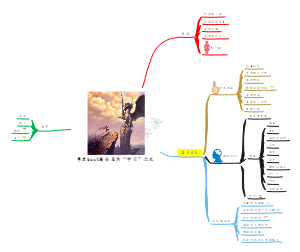
导图社区 细胞生物学第11章细胞周期
这是一篇关于细胞生物学第11章细胞周期的思维导图。该导图介绍了mitosis、interkinesis、maiosis等。
编辑于2021-06-22 21:29:28这是一篇关于细胞生物学的思维导图,将细胞生物学的核心知识点进行了系统且全面的梳理,结构清晰、层次分明,宛如一幅知识导航图,引领学习者深入探索细胞生物学的奥秘。对于细胞生物学相关专业的学生而言,这是高效的学习与复习工具。在细胞生物学这门知识体系庞大且复杂的学科中,学生常常会面临知识点分散、难以系统掌握的困扰。这张思维导图涵盖了化学组成、构成有机体的化合物、细胞的形成、病毒、细胞的形态数目和大小、原核生物和真核生物等重要板块。从有机化合物中糖类、脂类、蛋白质、核酸的分级结构,到细胞形成过程中从无机分子到原始细胞的演变;从病毒的不同类型,到原核细胞与真核细胞在生物膜系统、细胞骨架等方面的差异,都进行了细致的罗列。学生可以依据此图构建完整的知识框架,加深对知识点的理解和记忆,提高学习效率。对于教师来说,这也是一份优质的教学参考资料。教师可以借助此图设计教学大纲、规划教学内容,使教学过程更加条理清晰。在备考场景中,学生更能利用此图进行知识点的快速回顾和查漏补缺,有针对性地强化薄弱环节。使用EdrawMind可轻松绘制此类学科知识导图,让复杂知识一目了然,助力用户轻松攻克细胞生物学学习难关。

普通生物学知识点总结,包括绪论,细胞生命的化基础,细胞结构与细胞通讯,细胞代谢。动物的形态与功能,帮助小伙伴快速掌握深入学的内容要点!
这是一篇关于细胞凋亡的思维导图,本导图十分详细,有助于帮助您熟悉知识要点,加强记忆。有需要的同学,可以收藏下哟~
社区模板帮助中心,点此进入>>
这是一篇关于细胞生物学的思维导图,将细胞生物学的核心知识点进行了系统且全面的梳理,结构清晰、层次分明,宛如一幅知识导航图,引领学习者深入探索细胞生物学的奥秘。对于细胞生物学相关专业的学生而言,这是高效的学习与复习工具。在细胞生物学这门知识体系庞大且复杂的学科中,学生常常会面临知识点分散、难以系统掌握的困扰。这张思维导图涵盖了化学组成、构成有机体的化合物、细胞的形成、病毒、细胞的形态数目和大小、原核生物和真核生物等重要板块。从有机化合物中糖类、脂类、蛋白质、核酸的分级结构,到细胞形成过程中从无机分子到原始细胞的演变;从病毒的不同类型,到原核细胞与真核细胞在生物膜系统、细胞骨架等方面的差异,都进行了细致的罗列。学生可以依据此图构建完整的知识框架,加深对知识点的理解和记忆,提高学习效率。对于教师来说,这也是一份优质的教学参考资料。教师可以借助此图设计教学大纲、规划教学内容,使教学过程更加条理清晰。在备考场景中,学生更能利用此图进行知识点的快速回顾和查漏补缺,有针对性地强化薄弱环节。使用EdrawMind可轻松绘制此类学科知识导图,让复杂知识一目了然,助力用户轻松攻克细胞生物学学习难关。
普通生物学知识点总结,包括绪论,细胞生命的化基础,细胞结构与细胞通讯,细胞代谢。动物的形态与功能,帮助小伙伴快速掌握深入学的内容要点!
这是一篇关于细胞凋亡的思维导图,本导图十分详细,有助于帮助您熟悉知识要点,加强记忆。有需要的同学,可以收藏下哟~
Chapter 11: Cell cycle
mitosis
earlier stage
Chromatin condensation gathered into a chromosome
The center body moves to the poles and forms a spindle
premetaphase
Degrading of nuclear fiber layer, promoting the disintegration of nuclear membrane
Spinners connect the chromosomes to form a mitotic
Chromosal arrangement to equatorial plate
metaphase
Chromosomes arranged on equatorial plates
anaphase
Sister chromatids moves to poles
telephase
Chromosome Spyrolysis
Nuclear kernel Reassembly
Nuclear membrane formation
Subcell nucleus Formation
Formation of two subcells
maiosis
first division
Early stage Ⅰ
Fine line: Chromatin initiation
amphitene
Homologous chromosome pairing to form tetrents
Forof a association Complex
Thick line period: Cross-exchange between non-sister chromatids
diplotene
Long duration; to association, but crossover
Cross terminal: cross movement towards the end of the chromosome
diakinesis
Homologous chromosome condensation into short rods
Cross-termination continues
Nuclear kernel disappear, nuclear membrane disintegration, spindle formation
The quartet starts moving towards the equatorial plate
metaphase Ⅰ
Qutrents arranged on equatorial plates
anaphase Ⅰ
Homologous chromosomes separate from each other and move to the cell poles
Non-homologous chromosomes enter the poles in a free combination of
telephase Ⅰ
Chromosome Spyrolysis
Nuclear kernel and membrane reappear to form two cell nuclei
Formation of two subcells
second division
Early stage Ⅱ
Basically the same as the terminal subtraction cells
metaphase Ⅱ
Chromosomes arranged on equatorial plates
anaphase Ⅱ
Sister chromatiers separated and moved to the cell poles
telephase Ⅱ
Form two subcells (haploid)
regulatory mechanism
cyclin
classify
G1 cyclin
Phase S cyclin
S cyclin
Phase M cyclin
architecture
Cyclin Box
Mediated cyclin and cyclin-dependent kinase formation complex
Broken ring box
Made of nine amino acid residues that mediate the rapid degradation of the cyclin A, B
PEST sequence
Mediates the degradation of the cyclin C, D, E
Cyclin-dependent Kinase (CDK)
A class of protein kinases that must bind to cyclin to have kinase activity
Participate in regulating the cell cycle by phosphorylating cell cycle-related proteins
CDK kinase activity inhibitors
mechanism of action
cell type
Continuous divided cells
Highdifferentiated cells (terminal differentiated cells)
G0 cells
Usually dormancy, requiring special stimulation for cell division, eg: liver and renal cells
oncepct
The process experienced by a cell growing from the end of one cell division to the end of the next division
interkinesis
Phase G1 (early stage in DNA synthesis)
Phase S (DNA synthetic period)
Phase G2 (late in DNA synthesis)
nuclear fission
Start with the presence of chromosomes until the two subnuclei
cytokinesis
Formation of shrinkage ring: composed of microfilament
Contraction ring hanging out