导图社区 ACCA F1 第一章详细思维导图
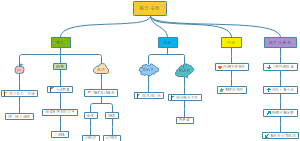
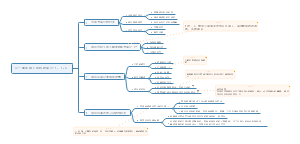
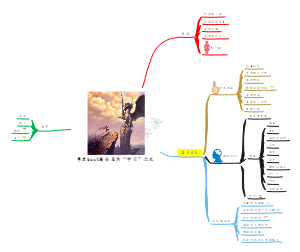
这是一个CHAPTER 1 Business organizations and its stakeholders的思维导图。介绍了The nature of organization和Stakerholders两个方面的内容,简洁明了。
社区模板帮助中心,点此进入>>
安全教育的重要性
个人日常活动安排思维导图
西游记主要人物性格分析
17种头脑风暴法
如何令自己更快乐
头脑风暴法四个原则
思维导图
第二职业规划书
记一篇有颜又有料的笔记-by babe
伯赞学习技巧
CHAPTER 1 Business organizations and its stakeholders
The nature of organization
Definition
Social arrangement
Collective goals
Control its own performance
Boundary
Benefits
Overcome individual`s limitations
Specialize
Save time :do different task at the same time
Share knowledge and experence
Synergy:1+1>2
Classifying it by profit orientation
Profit-seeking (Commercial)
maxing thte wealth of their owners
Non-for-profit (NFP/NPO)
Value for money 3E
Economy
Efficiency 转换率
Effectiveness
Classifying it by ownership
Public sector
provide basic government services
Accountability : be answerable to(向上负责)
Source of funds:tax , public borrowing
Demand of services :goods and services , infinite(无限的) demand
Resource constraint(限制):scarcity(稀缺) resources
owned by goverment
Private sector(NGO)
social or political aim
fund:goverment grants(政府拨款)
full-time employees and volunteers
Special type:mutual organization(互助组织)
co-operative and mutual association
non-profit , owned by its members(workers and customers) to meet their needs
Democratic control : one note, one member
No external investors : distribute the surplus(分红盈利) in proportion to purchases of their members
Classifying it by legal status
Sole trader
one
run and own the entire
Partnership
two or more
share the profits as well as risks of the business (无限连带责任)
Limited liability companies
seperated legal personality
limited liaibility
insolvent---personal asserts remain protected
two types
number of shareholders,transferability(股票流动性,可转移性),ownership and control(所有权控制权),access of finace
private limited (私人)
large number of shares;no right to subscribe for the shares;两权重合
public limited(股份) : publicly listed companies/listed companies(上市公司)
small or even no shares;has right to invite the public to subscribe for the shares(认购股份) ;两权分离
Stakerholders
individuals or groups
potentially have an interets in what the organization does
organization understand the needs of the different stakeholders
Typical types of stakeholders
Internal:managers and employees
Connected:shareholders , financiers , suppliers, customer
External:goverment , the community ,pressure group , trade union(工会)
Ice theory
Another approach
Primary stakeholders:have contractual relationship with the organization
Secondary stakeholders:do not have this relationnship
Stakerholder conflicts
Customers vs shareholders
product price/quality/service level vs profits/dividends
General public vs shareholders
effect on the environment vs profits/dividends
Shareholders vs managers
long term return vs short term profits/bonus
Mendelow matix/Stakerholder mapping
low power+low interest
minimal effort
low power+high interest
keep informed
high power+low interest
keep satisfied
high power+high interest
key players