导图社区 Selective Attention
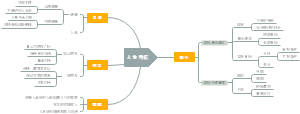
这是一篇关于Selective Attention的思维导图,主要内容包括:Spotlight metaphor of selected attention,Perceptual Load Theory,Late-selection Theory,Early-selection Theories。
社区模板帮助中心,点此进入>>
妈妈必读:一张0-1岁孩子认知发展的精确时间表
人际关系处理
人际交往思维导图
人生导航
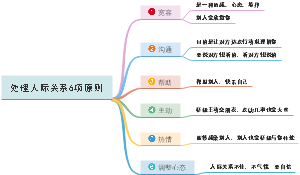
处理人际关系6项原则
进行头脑风暴的准则的思维导图
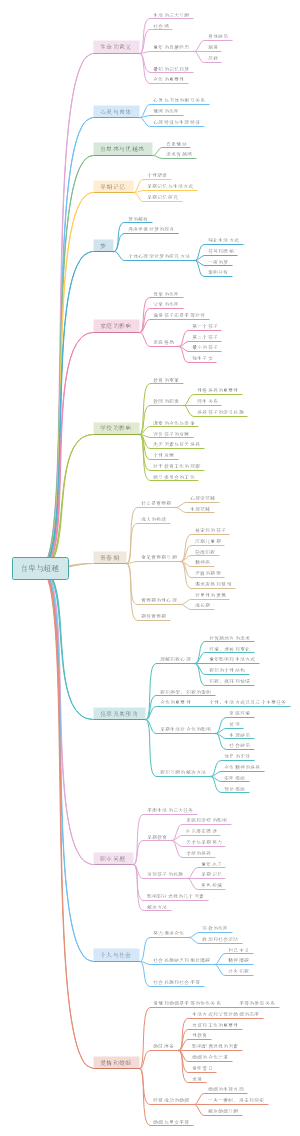
自卑与超越
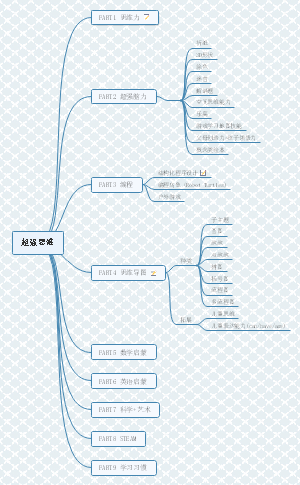
超强思维训练课
逻辑填空
东尼博赞简介
Selective Attention
Early-selection Theories
First:Filter Model
Sensory store: Holds income infor for a shor time
Filter: Analyzes infor based on physical characteristics
Detetor: Process infor to determine meaning
laid out:Perception and Communication
Support: a Split-Scan Study
Present letters at the same time to each ear
Two condition
Repeat back all letters in any order
65% correct letter report
Report all letters presents to one ear first
Repeat back letters in the order they were present
20% correct letters report
Conclusion: Harder to switch channels to report back letters
Explain
How we pay attention to one ear and ignore stimuli coming into the other ear
Why we prefer to process stimuli that come into one ear all at once as opposed to switching channels
Problems
infro that don't pass filter can go to the detector(Cocktail Party Effect)
Flexibility issue: Inability to explain the processing of information on meaningful material
Second: Attenuation Model
Dictionary Unit
The infro gets passed on to the dictionary unit(semantic code)
Threshold: Below Bar →Deceted
Every world you know has a strength value associated with it (the strength threshold for a signal to be detected)
Hearing your name in a busy environment when that stream is supposed to be ignored(Cocktail Party Effect)
Respond to your name when asleep
Switching channels in order to make a complete sentence
Where is a dictionary?
Where and How dictionary get into our mind
Ambiguous sentence study: Unattention infor has an influence based on its meaning
Difference
Filter Model suggest that unattended infor is filtered out completely
Attenuation Model suggest unattended infor is weakened but still affect processing
Late-selection Theory
Late selection based on meaning of stimuli and context
Early-Selection VS. Late-Selection
Same: both have "bottlenecks"
Difference: bottleneck is befor or after semantic code
the Bottleneck Theories
Perceptual Load Theory
Theory
Everyone has limited attentional capasity
Amount allocated to the main task depends on its perceptual load
High-Load task(need most of cognitive resources): Only selected items are processed
Low-Load Task(cognitive resources are left over): can process additional infor
Any spare capacity is automatically given to the unattended input
How does the PLT reconcile the Bottleneck Theories
High-load Task: Early selection, discard irrelevant stimuli based on physical characteristics
Low-load task: Late selection, process stimuli further up to the semantic level
Spotlight metaphor of selected attention
Spotlight metaphor
Deal with what we attend to, not whar we filter out
We are able to enhance the perception of stimuli that are of particular importance to us
We are still processing all the stuff that we are perceiving, but our attention only focus on the stuff that is important
3 question
How large is the spot region: task difficulty→arousal level→available cognitive resources
Who turns the spotlight
Goal directed attention
Top-down
what we like
we want now
important and challenging
Esecutive control
Dorsal fronto-parietal network
Stimulus dirven attention
Botton-up(Attention Capture)
Certain stimuli cause an involuntary shift of attention
can be suppressed by top-down control with prectise
Cueing
Ventral fronto-parietal network
What happens outside of the spotlight