导图社区 Thematic map
- 39
- 0
- 0
- 举报
Thematic map
这是一篇关于Thematic map的思维导图。专题地图是指突出而尽可能完善、详尽地表示制图区内的一种或几种自然或社会经济(人文)要素的地图。专题地图的制图领域宽广
编辑于2021-08-12 15:55:31- consumer
- 专题地图
- 相似推荐
- 大纲

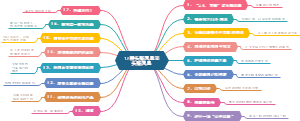




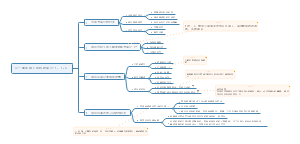
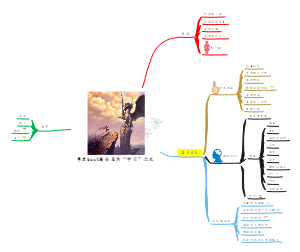
Changes in motivations of Chinese tourists during and after the COVID-19 pandemic
3. The impact of COVID-19 on the tourism industry
3.1 The impact of the pandemic on the tourism industry
Tourists during the pandemic were canceled and refunded.
Domestic travel market has recovered better than international one.
At the beginning of the outbreak, refunding to consumers became the only option.
Since the outbreak began, all overseas travel has stopped.
Consumers at the beginning of the pandemic will cancel travel plans.
The pandemic has made it hard for tourism workers.
3.2 The status of domestic travel after the outbreak
Tourism workers have suffered a serious career crisis
The outbreak is under control in China so it has not affected domestic travel.
Because foreign travel companies are also doing domestic travel, so the price war and competition is more serious.
Domestic tourism will grow, but international travel will not recover for a few years.
Travel enthusiasm is back but spending is not.
Domestic travel is the next big thing because there are more options and more safety.
Some hot travel destinations are already saturated right now.
3.3 The state of international travel and public attitudes
Domestic tourism will grow, but international travel will not recover for a few years.
The cost of travel after the pandemic is much higher than before
Travel consumers will not consider overseas travel due to safety reasons.
Travel consumers will choose domestic travel destinations rather than not travel.
Under objective conditions, domestic travelers cannot choose overseas travel destinations.
Foreign destinations will not be considered.
International travel is not taken into account because of cost and security.
Travel abroad will be considered only after the outbreak has stabilized and vaccination has been given.
4. Expectations for the development of the tourism industry after the outbreak
4.1 Expectations and attitudes of travel consumers towards the tourism industry after the outbreak
International trevel market needs time to recover from the COVID-19.
The psychological fear of the pandemic affects people's choice to travel abroad
It will take time for the tourism industry to recovery
Although the COVID-19 doesn't come to the end, the tourism industry still has a bright future.
Travel abroad will be considered only after the outbreak has stabilized and vaccination has been given.
The outbreak will coexist with the tourism industry for some time, making it difficult for foreign governments to contain the spread of the pandemic.
Healthy and stable growth will be more conducive to the long-term development of the tourism industry.
The pandemic is here to stay and we have to adapt to it and change accordingly.
4.2 The tourism industry is still a rigid demand of consumers
For people who love travelling, they will still choose to go out.
Travel as a rigid demand determines the tourism industry will continue to grow in the future.
4.3 The impact of repeated outbreaks on the tourism industry
People still worry about the unpredictable pandemic when travelling.
People still worry about the unpredictable pandemic when travelling.
Frequent policy changes can cause great losses to tourism practitioners.
The repeated outbreaks have made it impossible for the tourism industry to operate normally.
Repeated outbreaks could hamper the recovery of the tourism industry.
5. The development trend and future direction of domestic tourism industry
5.1 Parent-child travel is currently a popular form of travel and will have a broad development prospect
Taking children to get wider insights into the world is the main reason for family travel
Most customers are family groups.
The number of tourists is mainly three to five people, and families are the majority.
Children's demand for travel and parents' investment in their children make parent-child travel become the mainstream of travel.
The opening of the birth policy will promote the development of parent-child tourism.
5.2 There is a great deal of interest among travel consumers in freestyle travel and self-drive travel
Some hot travel destinations are already saturated right now.
Consumers will gravitate toward self-driving travel.
Free travel and road trips are very popular.
Self - drive travel and free travel can enjoy the fun of travel.
Fear of catching the virus is why people don't carpool with strangers.
Data from car rental platforms show that the popularity of self-driving travel is increasing.
Solving the pain points of self-driving travel customers is the next question to think about.
Road trips and camp trips will be the next choice for consumers.
Free travel and self-drive travel are the first choice of travel consumers because of the greater freedom and better experience.
5.3 The change of the tourism industry after the outbreak and the direction of future efforts
In-depth travel will be the trend of the future
More tourist places should be developed in order to share the load of existing hot travel places.
The travel destination should be themed, personalized and non-standardized.
The pandemic has accelerated booking travel, which is a future trend.
Traveling consumers will choose a single destination for safety.
Some social websites and apps will influence people's choice of travel destinations
The launch of 'fly as you want' products by airlines will increase the frequency of travel.
Consumers are more willing to spend money on value-added services like taking photos.
5.4 Travel destinations should invest more in online tourism marketing and social media platforms
The main task is to create short-term travel trips suitable for women consumers to take photos, and to increase their travel demand through online marketing.
The Little Red Book is a good platform for obtaining travel information.
Travel consumers' decisions are influenced by online reviews.
Travel consumers will refer to the mature online travel routes to plan their own travel routes.
Popular destinations on the Internet will become the first consideration of consumers.
Many people care about reviews, and they won't spend time and money on a trip to a destination that isn't worth it.
Online cloud travel does not exist, online technology should be used for online travel marketing and online travel experience.
Social media, short video platforms and third-party reviews can play a decisive role in travel decisions.
The COVID-19 will affect the frequency of travel but not enthusiasm.
5.5 Promotional products and value-added services encourage consumers to travel
The launch of 'fly as you want' products by airlines will increase the frequency of travel.
Travel destination features and discounts will attract travel consumers to choose.
Twenty to thirty percent of consumers will buy again after a refund.
Consumers are more willing to spend money on value-added services like taking photos.
We will add great attractions to our campsites, such as camping, barbecue, paragliding and kayaking.
Pre-sales and discounts entice consumers to make purchases.
2. Types of consumers and their characteristics
2.1 The number and type of traveling consumers
Different group types have diverse reasons.
Most travel groups have between 2 to 6 people.
Consumers typically travel with a partner or family member.
Travel companions are usually partners or peers.
The number of travelers is usually two to five.
Women make more of the decisions in travel organizations.
Most customers are family groups.
The number of tourists is mainly three to five people, and families are the majority.
Children's demand for travel and parents' investment in their children make parent-child travel become the mainstream of travel.
2.2 Decision-making habits of traveling consumers
The female in a family always makes decisions when choosing a travel destination or other things.
Couples or friends always discuss when making decisions.
Women tend to make travel decisions.
Women are about twice as likely as men to travel.
Women make more of the decisions in travel organizations.
The main task is to create short-term travel trips suitable for women consumers to take photos, and to increase their travel demand through online marketing.
Female companions influence travel decisions greatly.
2.3 International travel consumers' consumption power and quality upgrade
In-depth travel will be the trend of the future
Consumers who travel abroad have more spending power.
Consumers who have traveled abroad will choose domestic travel destinations with higher affordability.
The pandemic has accelerated the process of quality travel.
2.4 The role of online reviews and social media in travel decisions
Some social websites and apps will influence people's choice of travel destinations
Travel consumers' decisions are influenced by online reviews.
Travel consumers will refer to the mature online travel routes to plan their own travel routes.
Popular destinations on the Internet will become the first consideration of consumers.
Many people care about reviews, and they won't spend time and money on a trip to a destination that isn't worth it.
Online cloud travel does not exist, online technology should be used for online travel marketing and online travel experience.
Social media, short video platforms and third-party reviews can play a decisive role in travel decisions.
1. The factors consumers consider when choosing a travel destination
1.1 Factors consumers considered when choosing travel destinations before the COVID-19
Couples travel usually use holiday to relax and have fun.
People in different economic situation will make different decisions.
Personal preference is another consideration when choosing travel destination.
The first thing we need to know is the purpose of the customer's trip
Travel budget is important to think about.
Before the outbreak, traveling consumers generally thought about time and distance.
The special attractions of the travel destination will stimulate the interest of consumers.
Natural scenery and food are usually considered when travelers choose a destination.
Travel consumers pay more attention to quality travel products.
The distinctive characteristics of travel destinations will attract consumers to consumption.
1.2 Factors consumers considered when choosing travel destinations after the COVID-19
Government policies are also working against a recovery in international travel
People need to consider safety and time factors when choosing domestic travel destinations
Consumers pay more attention to safety factors.
Security issues before and after pandemics are different types of security issues
Safety takes precedence over the characteristics of the destination itself.
Safety is the most important consideration for traveling consumers.
Safety and travel freedom cannot go hand in hand.
Consumers will choose destinations unaffected by the outbreak.
Consumers will pay more attention to the refund policy in the travel contract.
In addition to the safety situation, consumers will also be more concerned about the refund and change policy.
After the outbreak, the first concern of consumers is safety.
Safe social distancing during the pandemic will reduce the impulse of traveling consumers to meet strangers.
Travel consumers are willing to travel again if safety is assured.
The number of factors influencing consumer decisions has increased since the outbreak.
The psychological fear of the pandemic affects people's choice to travel abroad
1.3 The travel enthusiasm of consumers and the frequency of travel consumption
Traveling consumers prefer to stay at home and choose local leisure activities.
The COVID-19 will affect the frequency of travel but not enthusiasm.
1.4 Reasons for change or cancellation of travel plans
Time management is the No.1 reason when there is a need to change travel plan.
Unpredictable dangers will also cause travel plan changes.
Emergencies and outbreaks generally affect consumers' travel plans.
Force majeure and unexpected events can affect travel plans.
Foreign travel plans have been canceled because of the outbreak.
Few consumers change their plans because of the high cost of cancellations or changes on long trips.
Traveling consumers will cancel their trips due to emergencies.
Outbreaks and timing can affect travel plans.
Unexpected circumstances can cause travel consumers to change or cancel travel plans.
Recurring outbreaks can affect travel plans of traveling consumers.