1.I don′t need to get to school today.
2.I needn′t to get to school today.
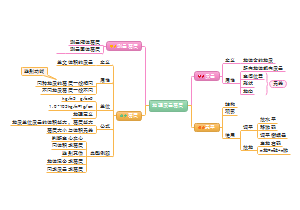
Need/Dare
need和dare作实意动词时,有人称和数的变化,可用于肯定句、否定句和疑问句
need和dare作情态动词时,没有人称和数的变化(dare可以有过去式dared)直接别动
-I can′t understand why he should have been so angry.I meant no offence
-It is typical of him to be so sensitive.
Should
Should=ought to,意为“应该”,可为义务上的,也可表示推测上的“按说应该”
Will/Would
表示请求:与第二人称的一般疑问句连用,表示请求、建议
表示习惯:will用来叙述目前的习惯,would表示过去的习惯
The new supermarket has announced that the first to purchase goods on the opening day shall get a big prize.
Shall
用于第二、三人称的陈述句中,表示说话者的意志,用来表示说话者给对方的命令、指令、允诺等
此种用法还可用来宣布法律、规定、条约、法律等。
You must be careful with the camera.It costs!
Must
表示必要性,意为“必须”,其否定为needn′t/don′t have to
Truly elegant chopsticks might be made of gold and silver with Chinese characters.
May/Might
表示推测,用于肯定句,意为“可能”,may not为“可能不”,can′t为“不可能”
固定句型:may/might as well do 不妨,还是……为好
We can′t emphasize/stress the importance of sth...too much.
特定句式
If only引导的条件句及感叹句
had+过去分词 过去式(be动词一般用were) would/could/should/might+动词原形
It is (high)time (that)...
Terribly sorry!Had my uncle not visited me unexpectedly.
It′s strange that he should have taken the books without the owner′s permission.
It's necessary等+that从句中
It′s necessary/important/vital/surprise/natural/a pity/essential等+that从句中,谓语动词用should+动词原形
Would rather+that
1.从句的谓语动词如果表示现在或将来要发生的动作,从句用一般过去时(be用were)
2.从句的谓语动词如果表示过去发生的动作,从句用过去完成时
1.I also gave a presentation in class where Isuggested that we should make small changes to protect our water resources.
2.In the early 1630s some settlerssuggested that a university (should) be found just to improve the quality of their descendants so that they could better build the new home.
3.I strongly recommend that we shoud value time and redouble efforts to study so that we can get into a key university.
命令、建议、要求
advise,suggest,propose,recommend
1.How I wish that I lived close to work,so that I need not get up so early every day.
2.How I wish I had worked harder when I was in that company.
3.It seems as if it is going to rain.
1.If we had caught the fight yesterday,we would be enjoying our holiday on the beach now.
对过去虚拟 对现在虚拟
2.If it had not been for the heroes′ contributions and sacrifices,we wouldn′t be leading such a happy life.
对过去虚拟 对现在虚拟
1.The workers were not better organized,otherwise they would have accomplished the task in half the time.
2But without that tree,there would be no miracle of Saihanba today.
3.But for you help,I wouldn't have finished my homework.
含蓄条件句
用without,in case,but for,for fear that,otherwise等词引导条件状语从句表达假设条件
If you were me,would you talk to them?
If you had taken my advice,you wouldn't have faild
省略与倒装
if引导的非真实条件从句中,谓语动词含were,had,should,可将if省略,但需将were,had,should提到主语之前
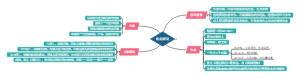
虚拟语气的运用
与现在事实相反
过去式(be用were)
should/would/could/might+动词原形
与过去事实相反
had+过去分词
should/would/could/might+have+过去分词
与将来事实相反
should/would/could/might+动词原形
1.In today′s information age,the loss of data can cause serious problem for a company.
2.-It′s really great to have a computer to store my photos.
-Don′t count on it too much. It can break down and you′d better make a copy of them
Can/Could
can表示现在一般的能力,could表示过去一般的能力
表示请求允许、允许。一般疑问句中could可代替can,但比can语气更加委婉,答语要用can
can表示具体事情发生的可能,常用于否定句、疑问句表示,表示疑惑、惊讶或不相信等意思。can表示理论上的的可能时可用于肯定句。could表示推测时比can可能性小,可用于肯定句、否定句和疑问句。
固定句型:can′t...too/enough,can′t help doing sth/can′t help but do sth