导图社区 英语全部语法思维导图
- 204
- 24
- 3
- 举报
英语全部语法思维导图
这是一篇关于英语全部语法的思维导图,该思维导图归纳总结了全部的英语语法知识点,语法框架都有了,干货满满。
编辑于2021-08-19 11:28:03- 英语语法总结

- 相似推荐
- 大纲

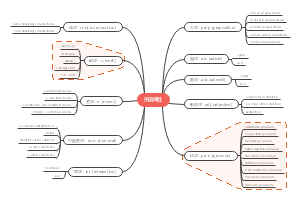

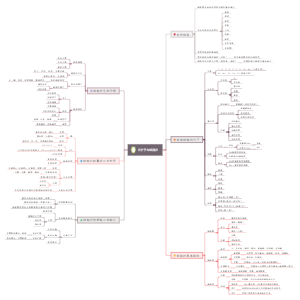

grammar
10种词性
实词
n
名词的分类
名词的单复数
所有格
主谓一致
v
分类
实义动词(行为动词)
vt/vi(vi没有被动)
助动词
have/do/be
构成时态/语态/否定句/强调句/疑问句
情态动词
can/could:表“推测”“允许“”能力“
may/might:表“推测”“允许”“请求”“祝愿”
must:表“命令”“肯定推测”
should/shall/ought to:表“义务,要求“”推测”“征求意见”
would/will:表“意愿”“请求”
be able to
have to
need
had better"最好"
系动词
状态系动词
感官系动词
变化系动词“变得”
get,become,turn,grow
持续系动词“保持”
keep,stay,remain,rest
静态动词
表思想
believe,doubt,know,understand
表拥有
have,own,want,contain
表感觉
hear,see,smell
表情感
love,want,need
短语动词
adj
分类
属性形容词
表示人或物具有的属性
前可加"rather""very"功能相关的词所修饰
类属形容词
指明事物所属类别
不可加very
表示国籍的词(American people/British island)
没有比较级和最高级,不可加very
颜色形容词
浅色:light
深色:dark,deep
还可用pale,bright
强调形容词
常见的有:absolute,utter,total,emtire,sheer
ing/ed形容词
复核形容词
两个单词够成的形容词,用连字符连接
常见形式:adj+n+ed(last-minute) adj/adv+过去分词(well-known) adj/adv/n+现在分词(record-breaking) n+adj(world-famous)
词序
(限定词+程度副词)+描绘性+大小(长短高低形状)+状态+年龄(新旧)+颜色+图案+国籍(产地)+材料+类别用途+n 描绘性:beautiful,boring,lovely,comfortable 状态:cold,rich,difficult 类别用途:sleeping(bag),wedding(dress) 口诀:三只小猪盖新房,老大名叫“限描大”,老二名叫“形龄颜”,老三名叫“籍材类”
句中位置
前置
表语
宾补
keep our environment clean
后置
修饰复合不定代词
与“长,宽,高,重,老,距离”连用
比较结构
同级比较
与...一样:as...as the same...as
和...一样不:no more...than(一个不...;另一个也不...) not...any more than
比较级比较
more and more"越来越"
最高级比较
1.否定词+more"十分,非常"(I can't agree with you more.) 2.no+n+more...than"没有什么比...更/莫过于"(No tool is more powerful for undersranding the natural world than the scientific method.) 3.more...than+anyone/anything else"最..."(He did more work this moring than anyone else.) 4.nothing as...as/nothing like"最"(Nothing in the present-day world is so popular as Internet.) 5.the only+n"独一无二的" 6.表倍数:倍数+as+adj/adv+as(twice as loud as) 倍数+n+of(three times the length of) 倍数+比较级+than(three times deeper than) 7.(just)as...,so"正如...所以..."(so 后句子用倒装) 例句:Just as the soil is a part of the earth ,so is the atmosphere. 8.not...so much as..."是B,而不是A"/"与其说A不如说B" 9.more than:+v/n,+but... 表示"不仅是,不只是"=(not only)+but(also) +数字: 表示“多于”=over +adj:表示“非常”=absolutely/very 10.nothing more than"只不过是" 11.mo less than/nothing less than "不亚于.../相当于..." 12.more than...can"简直不能"(The beauty of the place is more than i can describe.) 13.the+比较级,the+比较级“越来越" 14.one of the+最高级+ns :"最...之一",谓语用单数
易混结构
1.no more than:仅仅,只有(=) not more than:不超过(≤)
2.no more...than:既不...也不...(=neither...nor) not more...than:不如,不及(=not so...as)
3.no less than:多达(=)(We ran no less than three miles.) no less...than:和...一样(He is no less clever than you.) not less...than:不少于(≥)(He has not less than seven cars.)
12个固定句型
同级比较(2肯定+2否定) 越来越 最高程度(no+n+more than more than +anyone/anything else Nothing...as...as nothing like the only+n) 表示“倍数”(倍数+as+adj/adv+as 倍数+n+of 倍数+比较级+than) "正如...所以..."just as...so "与其...不如..."not...so much as more than(=not only =very =over) ”只不过是“=nothing more than "相当于..."(no less than nothing less than) ”简直不能“(more than...can) "越...,越..."(the+比较级,the+比较级) "最...之一“(one of the+最高级+ns)
易混形容词辨析
too much:“太多的”,修饰n表示事物数量 much too:"太过,过分",修饰adj/adv fine:身体好,天气好 nice:表令人愉快的,东西,人,物,外表 good:作定语或表语 well:作状语 身体好=fine dear:adj:"亲爱的,可爱的,贵的" intejection:表“惊愕,奇怪,惊奇’ n:”可爱的人“ quick:速度快 fast:速度快 soon:时间快 lonely:“寂寞的”(一个人的后果) alone:"单独的"(一个人的事实) living:"活着的"(反义词“dead”) “逼真的” “活泼的,强烈的”=lively live:指东西“活的”=living “现场的,实况的” alive:指人“活着的” lively:有生气的,活泼的,可爱的,快活的,色彩鲜艳的,生动的,真实的
最高级用法:
at+最高级“处于最...的状态”(I knew she was at her worst.)
adj+a most “非常"(It is a most important occasion.)
adv
分类

构成
-ly结尾
-ward,-wise结尾
形容词副词同行的词
与adj无关的adv
just,quite,so,soon,very
nume
pron
人称代词
物主代词
形容词性物主代词
名词性物主代词
反身代词
指示代词
关系代词
连接代词
不定代词
all:后不加the,"所有,每一个","完全的” all but几乎,差不多 all around全面的,在各方面的 every:表“每一个”+单数名词,不单独使用 再次出现时,用it 指代 ”每隔“ everyday"每天的",作定语;every day"每天",作状语 everyone"每个人";every one"上文提到过的名词" every other+n:"轮流,交替,每隔"(We have English lessons every other day.) no:与adj/adv连用,表“并不,毫不”(The issues are of no great interest(=only a little interest)to me.)(The exam is no more difficult than the texts you've been doing in class.) none:表两个以上的人或物 “所有人都不”,谓语用复数, 强调所有人都不... "其中一个不" ,谓语用单数,强调所有人中每一个人都不...(二者语义一样,强调不一样) one:泛指“人们”(One would think the airlines would have to close down.) =you(If one failed,then one must try harder next time.) one's=his(One must learn from one's mistakes.) 表不确定的人或物((one ...the other两者中的一个...另一个...)One is purple,the other green) 代替出现过的可数名词,但不知道同一物品 表其中之一 other:作限定词+un/ns,没有复数形式 作代词,有复数 作限定词,the other+单数名词 the other:作限定词+单数名词,表“两者中的另外一个”“其余一个” 作限定词+ns,表“群体中剩下的一部分”“其余一堆” 作代词,指出现过的人或物 another:作限定词+单数名词 作代词,指代单数 one anothe"彼此,相互" one way or another"用某种方法,想方设法"(We'll get out of this mess one way or another.) one...after another"一个接 一个,接连"(I'm not surprised he's feeling ill---he was eating one ice cream after another.) 
相互代词
疑问代词
功能:指代和代替功能。成分:主语,宾语,表语,同位语
虚词
conj
分类
构成分类
简单连词
and /or/but/ for/ it/ because/ so/ after/ since/ on /unless/ although /before.
关联连词
Not only, but also /not...but/either or /neither nor.
分词连词
provided只要/assuming假定/providing只要/given假如/seeing因为
短语连词
though/even if/ even though/ as long as /in case /now that既然/so that以便
作用分类
并列连词
and/ or/for/ while/ when/ neither...nor.
从属连词(引导名词性从句和状语从句)
that /whether/ if/unless/until/when/ before/ after/ since/once/ although
prep
分类
单个prep
合成prep
分词prep
短语prep
表时间,地点,方式,原因
介词短语的构成
+n
+pron
+ving
动名词
ing
+adj
+adv
+to do
+从句(I'm worried about where she is going.)
+数词
+介词(They left the party just before us.)
article
定冠词
“这个","那个",特指某名词 上文出现的人或物 地球上具体的位置 江河湖海 唯一存在 最高级 乐器
不定冠词
泛指某名词 第一次提及某人某物 不与代词连用(the one person is in the reception.错误) +n作表语/同位语,表职业(I'm a student/a builder) 用于价格,速度,频率短语(six kilometers an hour每小时60公里/4 times a day每天四次) 固定短语(make a living谋生/take a break休息一下/as a matter of fact事实上)
零冠词
泛指某名词 第一次提及某人某物 不与代词连用(the one person is in the reception.错误) +n作表语/同位语,表职业(I'm a student/a builder) 用于价格,速度,频率短语(six kilometers an hour每小时60公里/4 times a day每天四次) 固定短语(make a living谋生/take a break休息一下/as a matter of fact事实上)
intejection
表惊讶,指责,痛苦,称赞,懊恼
Hi! / Oh! / Ah! /Aha! / Wow! / Ouch!
部分拟声词
Meow(猫叫声) / bow-wow(狗叫声)/ boom(爆炸声)/ hickory dickory dock(钟表的滴答声)
其他感叹词
well/now/man
goog boy(夸奖宠物的)
Oops哎呀(表示不小心出错)
Ouch!啊痛(突然被砸到或碰到什么东西很痛)
Gee!天哪,厉害,牛(表示惊叹)
Nah!不要,算了吧,拉倒(表示拒绝)
Phew!(few发音)(表示热和劳累通常是边擦汗边或者是当坏事结束或没有发生时的庆幸)
Yuck!恶心
Alas!哎(表示遗憾)
Hurray!(Hooray!)耶!太好了
Meh!哦,额...(表示不感兴趣)
Awww!(觉得可爱或可怜,可惜)
句子
9种句子结构
主、谓、宾、表、定、状、宾补、同位语、双宾
5种句子成分
SVC主系表
SV主谓
SVO主谓宾
SVOO主谓双宾
SVOC主谓宾补
3种句子复杂程度
简单句
陈述句
5种句型
2种形式
肯定式
否定式
助动词后,be前 she will not listen to me .
一般疑问句
选择1.提前系动词(包括be,感官动词) 2.提前助动词(帮助v完成否定、疑问句,时态、语态、虚拟语气) 3.提前情态动词
特殊疑问句
选择疑问句
反问疑问句
感叹句
what
What a beautiful girl she is.
how
How beautiful a girl she is.
感叹词
祈使句
命令
祝愿
并列句
复杂句
名词性从句
主从
it is adj that
it is n that
it+vi+that
it seems that/it happened that
it is+过去分词+that
it is reported that/it has been proved that
what引导,主句v看句意
从句视为it,从句时态不受主句影响
what/that区别
what在从句中充当成分
that不做成分
宾从
时态
主句是一般现在时/一般将来时,从句可以是任何
主句是一般过去时,从句是过去时+...体
种类
v+
prep+
adj+
I am afraid that
形式宾语(v+it adj that)
find/feel/consider/make/believe后有宾语补足语,将that宾语从句后置
否定转移
think/believe/imagine/suppose/consider/expect/guss
I don't think he will come to my party.(我认为他不会来)
that不可省略情况
主句谓语有2个及以上宾语从句,可省略第1个
it作形式宾语时
当宾语从句前置
That our team will win,I believe.
表从
同位语从
同位语从句/定语从句的区别
同位语翻译为“是”
定语翻译为“的”
if/whether在n从句中区别
表语从句:if不能引导,用whether
宾语从句:if/whether可互换,但介词后的宾语从句只能用whether
位于句首的主语从句:只能用whether
同位语从句:只能用whether
if 只能用于宾语从句
形容词性从句
定从
限制从
去掉影响句意
非限制从
指人who/whom;指物which
去掉不影响句意
常与all of/both of/either of/many of/most of/none of/one of连用+whom/which
that/which区别
that只能引导限制从;which都可
只用that
先行词是不定代词(everything(something除外)/all/none/few/little/some
被最高级修饰或被the evry/the only修饰,表特指含义
当先行词是人+物
只用who,不用that
先行词为one(s)/anyone/those
先行词为人称代词
只用that,不用who
主句已出现who
先行词在主句中作表语,或关系代词在从句中作表语
作用
修饰人
who/whose(作定语)/whom/that
修饰物
which/that/whose
修饰其他
when=in(on)which/where=in(at)which/why=for which
状从
时间状语从句的特殊引导词
the minute / the moment / the second / every time / the day / the instant(瞬间) / immediately / directly(立刻) / no sooner...than(一...就) / hardly...when(刚一...就) /scarcely...when(一...就) / as soon as(一...就)
当3个红引导时,从句要部分倒装
地点状语从句
常用引导词
where
特殊引导词
wherever/anywhere/everywhere
原因状语从句
常用引导词
because/since/as
特殊引导词
seeing that/now that/in that/considering
目的状语从句
常用引导词
so that/ in order that
特殊引导词
lest/ in case /for fear that/ in the hope that/for the purpose of/to the end that
结果状语从句
常用引导词
so...that/such...that
特殊引导词
such that/to the degree that/to the extent that/to such a degree that
条件状语从句
常用引导词
if/unless
特殊引导词
as(so)...long as/only if/providing/provided that/suppose that/in case that/on condition that
让步状语从句
常用引导词
though/although/even if/even though
特殊引导词
as(要倒装)/while/no matter.../in spite of the fact that/whatever/whoever/wherever/whenever/however/whichever
比较状语从句
常用引导词
as(同级比较)、than(不同程度比较)
特殊引导词
the more...the more/just as...,so... /A is to B what C is to D/ as A is to B/ no...more than/not A so much as B
Food is to men what oil is to machine.
方式状语从句
常用引导词
as/as if/how
特殊引导词
the way
状语从句的省略
2个条件同时满足,从句主语和be动词可省略
主,从主语一致/或从句主语是it
从句谓语动词是be动词
特殊句
强调句
it is(was)...that(who)
含有not...until的强调形式
not置于until前
原句:I didn't get up until 8 o'clock
主句由否定句改为肯定句
It was not until 8o'clock that I get up.
助动词do/does/did强调v
I do agree with your opinions.
倒装句
部分倒装
部分谓语放于主语前
否定adv谓语句首
never/seldom/rarely/little/hardly/scarcely
not...until倒装until后内容位于v前
Not until 8o'clock did I get up.
no sooner...than / hardly...when /scarcely...when
They had no sooner started their walk than it started to rain.改为No sooner had they started their walk than it started to rain
prep+no+n位于句首
at no time / by no means / by no manner of means / for no reason / in no case / in(under)no circumstances / in no sense/ In no way / on no account / at no point.
only+状语位于句首
Only by working hard could we afford to eat
so+adj/adv位于句首
So beautiful was the girl that nobody could talk of anything else.
not only...but also位于句首,but also后不变
Not only is he difficult to understand,but he is so funny.
虚拟语气的省略与倒装
if省略,had/were/should提到主语前
If i were you,i wouldn't do it.改为Were i you,....
全部倒装
谓语全部放于主语前
here/there位于句首(there be句型)
地点adv位于句首(away/down/in/off/out/over/round/up)
Round the cornor came the postman
口语中表示“你说的对”:so+助动词+主语(变为)so+主语+助动词
-It was cold yesterday.-So it was.
否定结构neither/nor+助动词+主语
16种时态
大时态:过去将来时,过去时,现在时,将来时
小体:一般体,进行体,完成体,完成进行体
一般现在时
经常或习惯动作
客观真理,事实,技能或现在状态
十分确定会发生或按时间表进行的事
时间状语从句/条件状语从句:一般现在时代替将来时(主将从现)
一般过去时
时间状语
过去的动作
一般将来时
时间状语
将来某一时刻的动作
打算,准备要做的事
主观判断即将要发生的事
形式
will+v
be going to do
be to do
be about to do
现在进行时
表即将发生的动作,一般指近期安排好的事情
表频繁反复进行的动作,常与频度副词连用,表示赞扬,不满,讨厌等感情色彩
过去进行时
时间状语
用于宾语从句/时间状语从句,表示与主句动作同时进行且是延续时间较长
现在完成时
过去开始一直持续到现在
时间状语从句
时间状语
瞬间动词不能与表示一段时间的状语连用,此时需改为延续性动词或状态动词
过去完成时
表“过去的过去“
常用于宾语从句,after/before引导的从句
过去将来时
should/would+v
在时间状语从句/条件状语从句,不用过去将来时
表打算或主观认为的用was/were going to do
现在完成进行时
过去开始一直延续到现在,可能继续下去的动作,具有现在完成时和现在进行时双重特征
have/has been doing
将来进行时
将来某一时间正在进行/开始,并继续下去
特殊用法
表示预定的将来动作,或将来的预测
表示委婉请求
shall/will+be+现在分词
过去将来进行时
在过去某一时间后要进行的动作
常用于宾语从句,尤其多用于间接引语中
should/would+be 现在分词
将来完成时
将来某一时间已经完成,并对将来产生影响
表示推测,=must have done
shall/will have done
过去将来完成时
从过去某一时间来看,将来某时已经完成的动作
would have gone多出现在虚拟语气中
过去完成进行时
在过去某一时间之前开始,一直延续到这一个过去时间
had been doing
将来完成进行时
从将来某一时间开始,一直延续到将来某一个时间
shall/will have been doing
过去将来完成进行时
从过去某一时间开始,一直延续到过去将来的某一时间
would/should have been+现在分词
2种语态
主动语态
被动语态
注意
双宾的被动语态(His teacher gave him a dictionary.)
He was given a dictionary by his teacher.
A dictionary was given to him by his teacher.
不带to不定式作宾语补足语的主动语态,改为被动语态时+to
短语动词谓语,改被动要保持完整性
宾补:I paint the house white.
The house is painted white by me.
虚拟语气
3种规律用法
特殊用法,出现某一标志
在名词性从句中的应用
表希望,愿望含义出现时
表建议,命令出现时+(should)+do
would rather+did/had done“宁愿”
It be adj that...(should)+do
在状语从句中的应用
if only
as if
in case / for fear that / lest
其他形式的虚拟语气
It is time that...(should do)/did
would as soon+did/had done"宁愿"
if
真实条件句
主将从现
非真实条件句
省略if 要倒装
错综虚拟(混合虚拟)
without
but for
otherwise
in that case
under that condiyion
非谓语动词
不定式
形式
肯定:to do/(to)do(使役动词、感官动词)
否定:not+不定式
时态
一般式(to do)
表动作与谓语v几乎同时发生
完成式(to have done)
表动作发生在谓语v之前
进行式(to be doing)
表动作正在进行
完成进行式(to have been doing)
表动作在谓语v之前
到谓语v发生时可能停止,也可能继续下去
语态
主动
表不定式的逻辑主语是动作的发出者
被动(进行式、完成进行式无被动)
表承受者
主动表被动
There is still a lot of work to do.(to be done)
句法功能
作主语
表具体的,特定的行为
谓语用单数
较长时为形式主语
it is adj+(for sb./sth.)+to do
it is adj+of sb.+to do
it is+n+to do
it takes sb.+some time+to do
作表语
当主语和表语同为不定式,主语表条件,表语表结果
To see is to believe.
常用于的结构
n (my wish/jod/aim/goal)+is to do
作宾语
常见的疑问词+不定式作宾语
decide/know/learn/remember/see/settle/offer/promise
较长时形式宾语
v+it+adj/n+to do sth
作宾补
有一类表见解,看法,常接to be型的不定式作宾补,to be 可省略
The police proved him(to be)a thief
hope,demand,suggest不能加to do,可加从句
I hope my son to be back soon.(错)
I hope my son will be back soon.(对)
在主动结构中,省略不定式的to
五看:see,watch,notice,observe,look at
三使:make,let,have
两听:hear,listen
一感觉:feel
作定语
作后置定语
作状语
作目的状语:不定式动作晚于谓语v
in order to可句首,可句中
so as to只能句中
分词
现在分词
作定语((大部分可与定语从句互换,特殊3种不能))
两个动作有先后顺序,用定语从句
being可作状语或补语,不做定语,用定语从句
表经常性动作,用定语从句
作状语
注意
与谓语v的时间关系
同时发生,一般式
现有现在分词动作,后有谓语v,现在分词用完成式
与主语的关系
逻辑主语和句子主语一致
不一致,分词应有自己的逻辑主语,构成独立主格结构
与并列连词when,while,once连用
过去分词
作定语
表示情绪的过去分词可以做定语
过去分词+adv.构成复核形容词
有完成意义的过去分词也可以作定语
the risen sun=the sun that has risen
an exploded bomb=a bomb that has exploded
作状语
过去分词短语作状语可放句首,句尾
单独的过去分词作状语
过去分词+连词,作状语
过去分词可引导状语从句
provided (that)
动名词
与现在分词区别
作表语
现在分词;说明主语性质,与主语不能互换
动名词:两者指同一件事,可互换,意思,语法不变
作定语
现在分词:实质是v
动名词:表示n的用途/状态/动作
补语
宾补
vt.后,去掉语法成立,含义改变
主补
be 后,可能不是紧挨be
独立主格
n/pron
+现在分词
If the weather permits the rabbit will go out.(变为)Weather permitting, the rabbit will go out.
+过去分词
The rabbit is lying in bed and a carrot is still held in his hand.(变为) The rabbit is lying in bed, a carrot still held in his head.
+to do
The rabbit to come, the wolf is overjoyed.
+n
Many animals went to the party, some of them rabbits and wovles.
+adj
Many animals went to the party, some of them happy.
+adv.
The rabbit sat on a chair,head down.
+介词短语
≈being+表语
with+宾语+宾语补足语
the rabbit came in,with a carrot in his hand.
with可以省略,进一步省略冠词为The rabbit came in,carrot in hand.
The rabbit came in,carrot in hand.
易混
双宾
给、你、苹果
方法
你、苹果,可以做主语
指的是2个动作对象(谁、什么)
宾补
刷、墙、白色
方法
你、苹果,不能做被动语态主语
指的是宾语的补充说明
主谓一致
集体名词做主语
表整体概念,谓用单数s\es(The whole family is active.)
表个体概念,谓用复数(The family have met their various obligations.)
单复同行做主语,根据句意
国家名、机构组织、书名、报刊名等复数形式的专有名词作整体对待,谓语用单数
由and或both...and...连接,指代复数概念,谓语用复数
注意1:and连接的两个词指同一个人、同一事物、同一概念,且两个n共用一个冠词,谓语用单数(The teacher and writer is her friend.这位教师兼作家是她的朋友。)
注意2:and连接单数主语前有every、each、no、many a修饰时,谓语用单数(Every man and woman is required to check in.)
由度量衡(时间,距离,金钱,价格)作整体,谓语用单数
就近原则
there \here be
or,either...or,neither...nor,not only...but
就远原则(插入语)
as well as,together\along\conbined with,rather...than,except,besides,including,in addition to,apart from
some of,plenty of,a lot of, most of,the rest of,all of, half of,part of,分数/百分百+of+名词短语作主语,谓语和of后n保持一致。(all of the chacken is gone.)
在算数中,用单数
a number of+ns,谓语用复数(“许多...”)
the number of+n,谓语用单数("...的数量")
each,one,no one,some(any,no,every)+body(one/thing)作主语或限定词,谓单数
one and a half+ns做主语,谓用单数
a/an+单数名词+or two做主语,谓语用单数
A student or two has failed the exams.一两个学生考试不及格。
one or two+ns做主语,谓用复数
One or two suggestions were recommended.提出了一两个建议。
many a.../more than one +n做主语,谓用单数("许多"特殊用法)
one of+ns,谓用单数
few,many,several,all,some+n做主语,谓用复数("许多"正常用法)
所有格
's所有格
构成
单数\复数n非s结尾,加's
复数n且s结尾,加'(boys'school),注意s结尾的单数名词(the boss's plan)
用and连接的并列
Tom's and Jim's rooms(各自的房间)
Tom and Jim's room(共同的房间)
用法
时间后(10day'sholiday)
国家\城市后(the town's population)
组织机构后(the station's waiting room)
度量衡后(a kilo's weight)
天体后(the moon's light月光)
of所有格
双层所有格
of+n's所有格
of+名词性物主代词
表示“...中的一个”(the picture of mine"所有照片中的一个")
the photo of my mother说明内容,照片的内容是我妈妈"我妈妈的照片”。 the photo of my mother's说明妈妈的众多照片的某一张"我妈妈的一张照片"。
名词的单复数
规则n
不规则n
复合名词的复数形式
un结尾,无复数形式(homework、newspaper)
man,woman为前缀,前后n都变复数(man waiter变men waiters)
(除man,woman外)以两个n,后面变复数(boyfriend变boyfriends)
可数名词+介词,前n变为复数(father-in-law变fathers-in-law)
v\过去分词+副词,加s(grown-up变grown-ups,stand-by变stand-bys)
名词的分类
1.专有名词、普通名词 2.可数名词、不可数名词 3.具体名词、抽象名词 4.复数形式出现的名词
普通名词
可数名词
个体名词
集体名词
表人和事物的总称army、class
不可数名词
物质名词
无法分为个体的事物water
抽象名词
表性质、状态、情感pleasure,love
前一般不加定冠词
语言名词
注意
1.不可加不定冠词a,an和数词,可加定冠词the 2.家具furniture 设备equipment